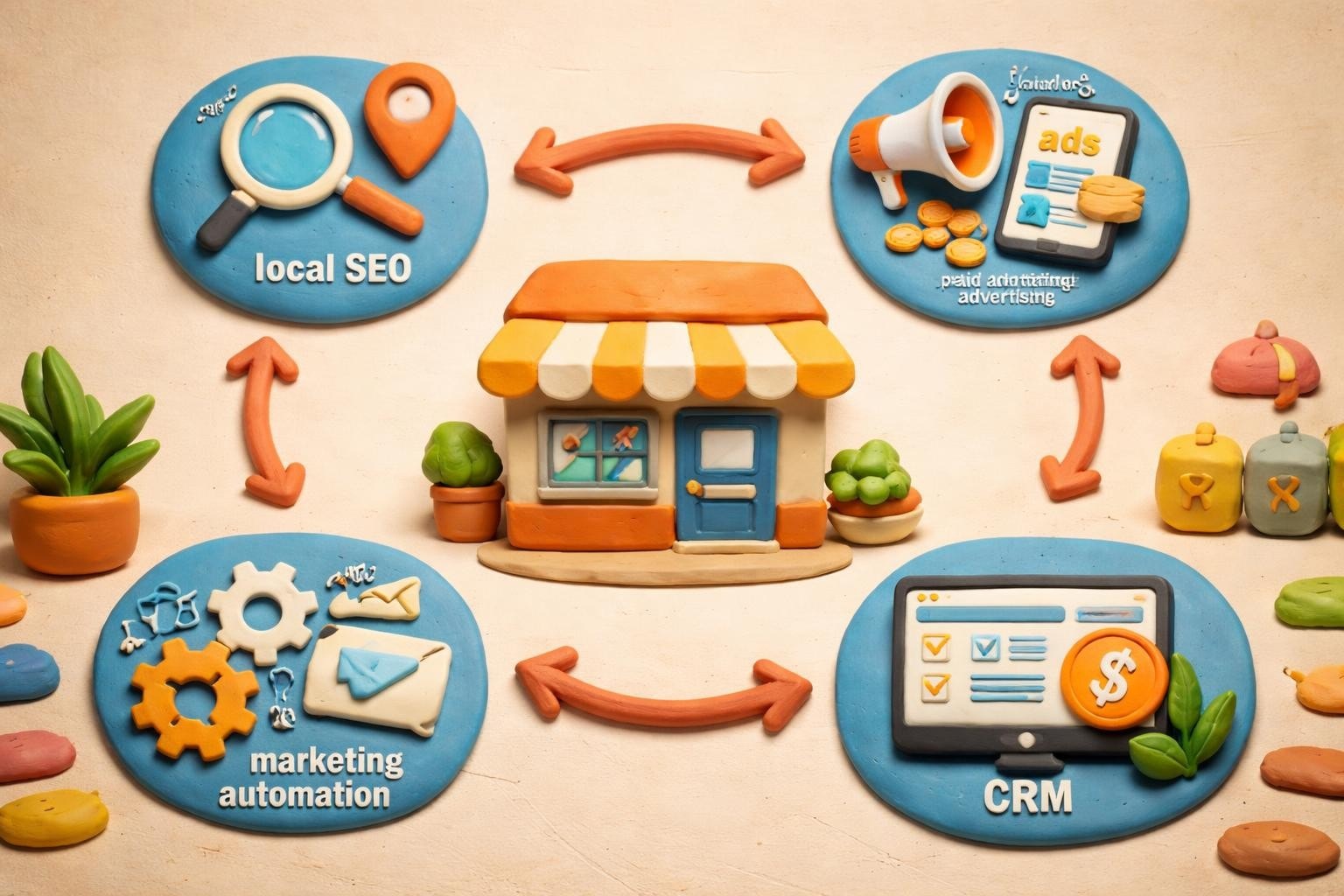
Every marketing dollar you spend should come back with friends. That’s the standard to hold an internet marketing service to. For small businesses along the Colorado Front Range, the right partner levels the field against competitors with much bigger budgets: local search visibility, smart automation, and campaigns built to produce leads, not just clicks. Here’s what good looks like.
Understanding Modern Internet Marketing Services
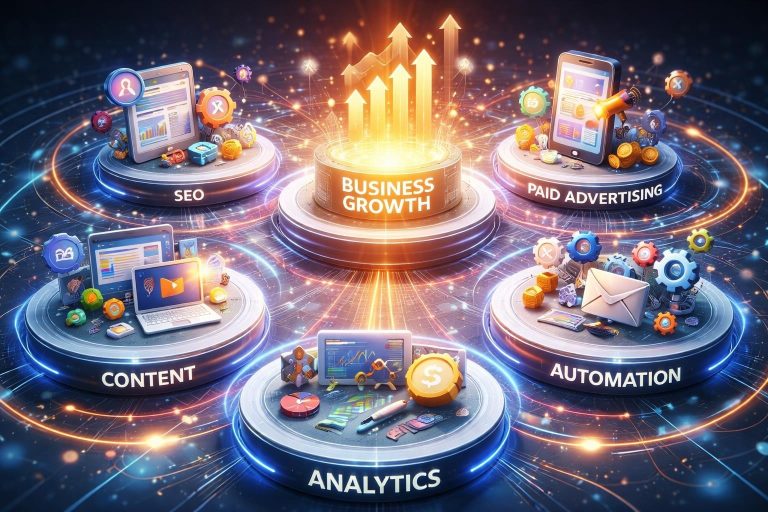
Internet marketing has moved a long way past building a website and running a few ads. A modern internet marketing service runs a set of connected systems that produce steady, predictable growth.
Core components of comprehensive internet marketing include:
- Local search engine optimization for visibility in geographic markets
- Paid advertising campaigns across search and social platforms
- Marketing automation systems that nurture leads without manual intervention
- Conversion rate optimization to maximize returns from existing traffic
- Analytics and reporting that connect marketing activities to revenue outcomes
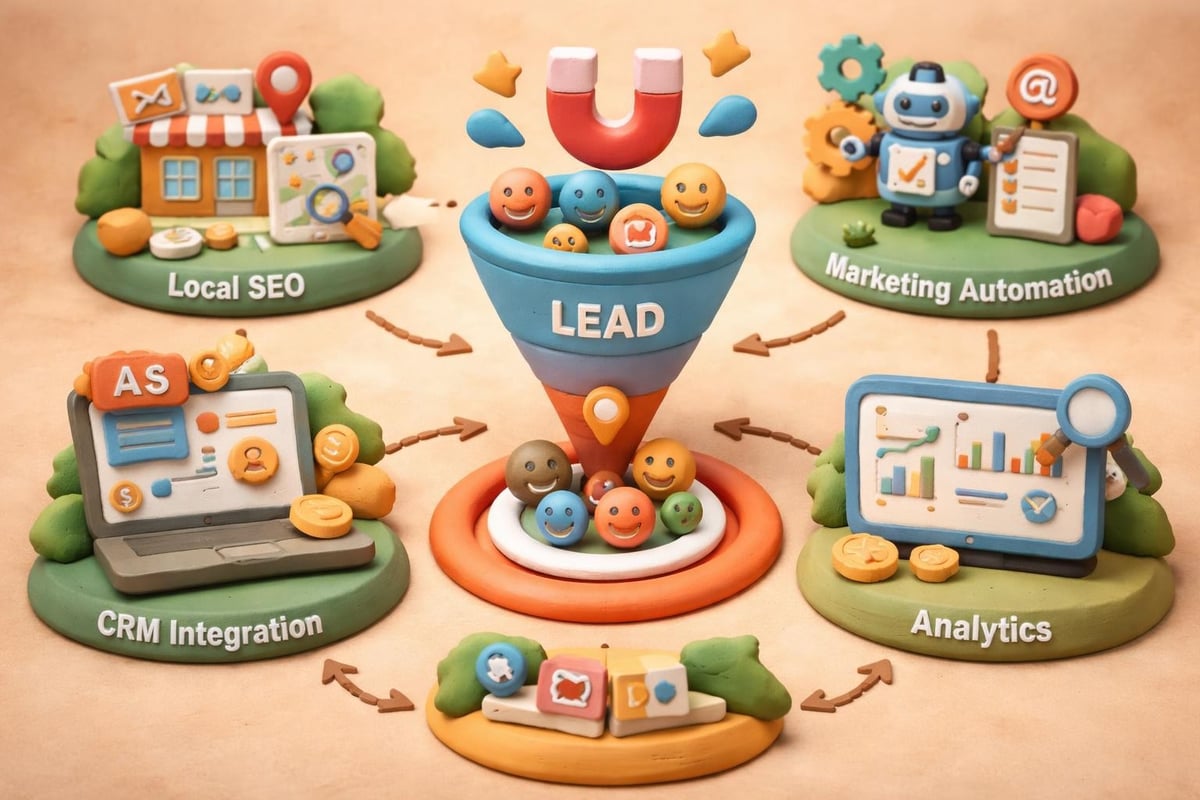
The pieces multiply each other. Local SEO drives the right traffic, landing pages convert it, automation follows up with every lead, and paid ads cover the gaps. The result is consistent lead flow instead of random spikes.
The Role of Local SEO in Service-Based Marketing
If you serve a specific area, local SEO strategies are your foundation. Ranking in the map pack and local results brings higher-intent traffic than any national campaign could.
Local search rewards precision. Google Business Profile management, location content, citations, and reviews all feed your visibility. According to authoritative sources in SEO, quality backlinks and consistent name, address, and phone info across directories move local rankings more than most tactics.
The technical elements include:
- Schema markup implementation for business information
- Mobile optimization for local searchers on smartphones
- Location pages targeting multiple service areas
- Local link building from community organizations and industry associations
- Review management across Google, Yelp, and industry-specific platforms
Local intent is buying intent. Someone searching “plumber near me” needs a plumber today. A Colorado Springs roofer competing nationally wastes money. The same roofer dominating local search gets steady calls from people ready to buy.
Automation and AI Integration for Marketing Efficiency
Small businesses lose leads for a boring reason: nobody answered fast enough. Automation and AI fix that without adding headcount.
AI-driven automation addresses these gaps through:
| Automation Type | Function | Business Impact |
|---|---|---|
| Voice Agents | Answer calls, qualify leads, book appointments | 24/7 availability, zero missed calls |
| SMS Sequences | Automated follow-up messaging based on triggers | Higher engagement than email alone |
| Email Nurturing | Educational content delivered on schedule | Builds trust before sales conversations |
| CRM Integration | Centralized lead tracking and task management | Nothing falls through the cracks |
These systems turn marketing from a cost center into a revenue engine. A prospect fills out your form at 11 PM and gets an instant reply, a scheduled follow-up call, and a nurture sequence, all while you sleep.
If you’re looking at AI-driven marketing automation, the trick is personalization at scale. Generic automated messages feel robotic. Sequences that name specific services and answer real questions move people toward a purchase.
Paid Advertising Strategy and Management
Organic builds the long-term asset. Paid buys you visibility today. A good internet marketing service balances both against your goals, competition, and budget.
For local service businesses, Google Ads should chase high-intent searches. “Emergency plumber Colorado Springs” or “roof repair near me” catches people at the exact moment of need, which is why those campaigns convert so well.
The structure of effective paid campaigns includes:
- Tightly themed ad groups matching specific services
- Location targeting for service areas
- Negative keywords to eliminate irrelevant clicks
- Call tracking to measure phone conversions
- Landing pages aligned with ad messaging
Meta ads play a different position. Facebook and Instagram build awareness, retarget your site visitors, and nurture relationships. A roofer sharing storm damage prevention tips becomes the trusted name people call after the next hailstorm.
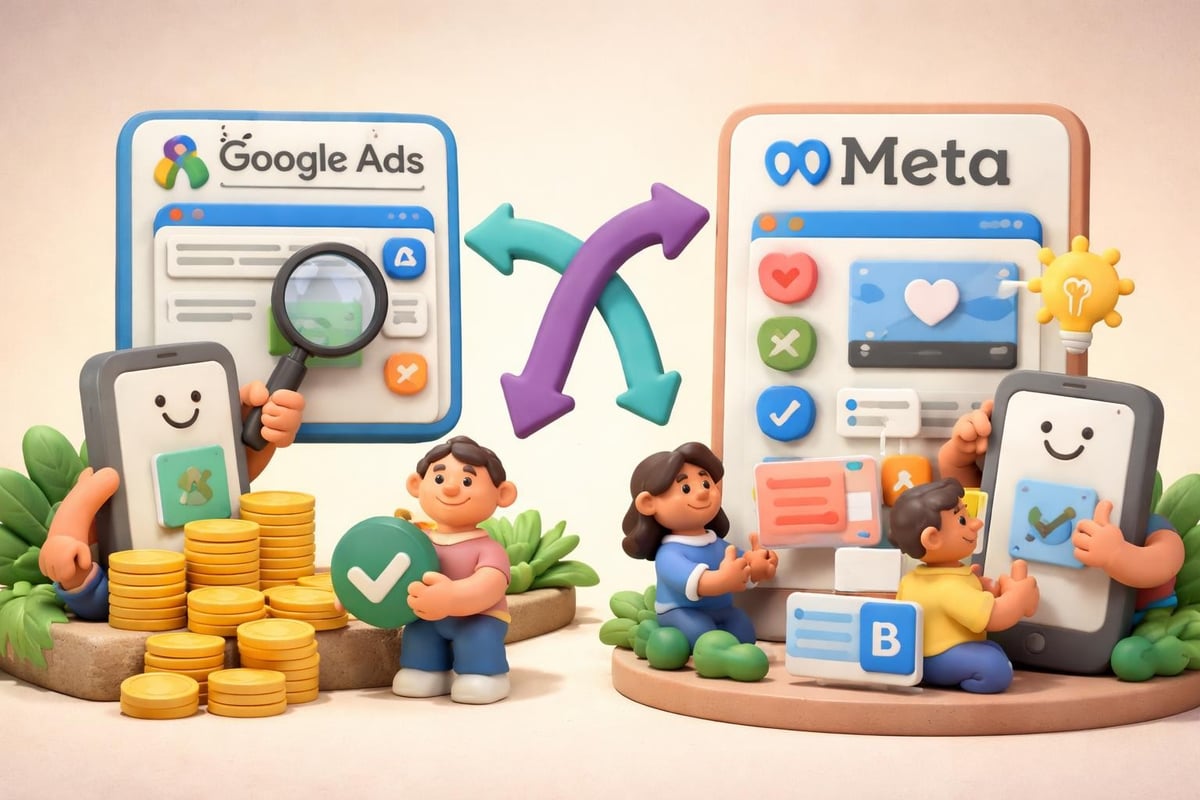
Split your budget based on how customers buy. Emergency services lean on search. Longer decisions like remodels need social nurturing and retargeting.
Building Authority Through Content and Citations
Authority building is the part most businesses skip. Understanding authoritative sources helps you spot chances to build credibility in your market.
Content does several jobs at once. Blog posts answer customer questions before the sales call. Case studies prove you deliver. Video builds a connection text can’t.
The strategic approach to content involves:
- Keyword research identifying questions customers ask
- Topic clustering around core service offerings
- Regular publishing schedules that signal freshness to search engines
- Multimedia integration including images, videos, and infographics
- Internal linking structures that distribute authority across pages
Citations from industry associations, the local chamber, and business directories help your rankings and your reputation. When people research you and see consistent info everywhere, they trust you faster.
Businesses working with experts in digital marketing growth strategies know authority isn’t a quick fix. It compounds. Every good article, citation, and review adds to the pile.
Landing Page Optimization for Conversion
Traffic without conversion is an expensive hobby. A good internet marketing service obsesses over landing pages, because the gap between a 2% and 8% conversion rate is the gap between profit and a money pit.
Conversion-focused landing pages share common characteristics:
- Clear, benefit-oriented headlines that match ad messaging
- Single call-to-action without navigation distractions
- Trust indicators including reviews, certifications, and guarantees
- Mobile-responsive design for smartphone users
- Fast loading speeds that reduce bounce rates
- Form optimization with minimal required fields
Then you test. A/B tests compare headlines and form lengths. Heat maps show where visitors look. Session recordings show where they give up.
Landing pages also need to answer the objections your specific customers have. A business-to-business marketing approach needs process and timeline detail. An HVAC replacement page needs pricing transparency and financing options. Different buyers, different pages.
Measurement and Analytics Infrastructure
Data separates real marketing from guesswork. Good analytics track the whole journey, from first visit to repeat purchase.
Essential tracking systems include:
| System | Purpose | Key Metrics |
|---|---|---|
| Google Analytics | Website behavior and traffic sources | Users, sessions, bounce rate, conversions |
| Call Tracking | Phone conversion attribution | Call source, duration, conversion rate |
| CRM Analytics | Lead pipeline and sales velocity | Lead-to-customer rate, average deal size, sales cycle length |
| Ad Platform Reporting | Campaign performance and ROI | Cost per lead, conversion rate, ROAS |
Connected data tells you things isolated reports can’t. Maybe traffic is strong but lead quality is weak. Maybe phone leads close at three times the rate of form fills. That changes everything about how you measure success.

Monthly reports should turn numbers into decisions: which channels bring the best leads, which campaigns pay for themselves, and where the next opportunity is.
Honest reporting builds trust. An agency that shows you the misses along with the wins, and adjusts based on the data, is one you can build with.
Industry-Specific Marketing Approaches
Every industry buys differently, so generic marketing produces generic results. Strategy has to match how your customers actually make decisions.
Trades like HVAC, plumbing, and electrical win with emergency campaigns, seasonal promotions, and maintenance programs. Their customers often search mid-crisis, so response speed is everything.
Professional services like legal and accounting sell trust. Longer sales cycles need educational nurturing over weeks or months. Credentials beat coupons.
Healthcare providers deal with advertising restrictions but can lean on educational content, permitted patient testimonials, and community presence. Reviews carry huge weight in patient decisions.
Retail and e-commerce need product feed optimization, shopping campaigns, and abandoned cart recovery. Different machine entirely.
Agencies like Mountain Mover Coaching and Digital Marketing get better results because they tailor strategy to the industry instead of recycling one playbook. When tactics match how customers actually buy, acquisition costs drop.
Integration of Multiple Marketing Channels
Channels work better together. Coordinated messaging, timing, and targeting across platforms compounds the return on each one.
Cross-channel coordination strategies include:
- Retargeting website visitors with social media ads
- Email campaigns promoting new blog content
- Paid search campaigns supporting organic ranking efforts for competitive terms
- Direct mail to high-value prospects identified through digital engagement
- SMS reminders for scheduled appointments booked through online forms
Nobody converts in a straight line. A prospect finds you through search, leaves, sees your Facebook ad, comes back to read reviews, gets your email, then finally calls. Every touchpoint earned a piece of that conversion.
Attribution models sort out the credit. First-touch rewards discovery, last-touch rewards the closer, linear splits it evenly, position-based weights the ends. Pick one and be consistent.
For local service businesses, integration includes the offline stuff. Vehicle wraps, yard signs, and sponsorships make your digital ads work harder because people recognize the name.
Selecting the Right Internet Marketing Service Partner
Picking a provider comes down to expertise, transparency, communication, and fit. The cheapest option rarely wins, and the priciest one isn’t automatically better.
Evaluation criteria should include:
- Industry experience working with similar businesses
- Transparent reporting with clear metrics and regular updates
- Technical capabilities across SEO, paid media, and automation
- Strategic planning beyond tactical execution
- Communication responsiveness and proactive recommendations
Ask for case studies from markets like yours. “We increased traffic” means nothing without lead quality, conversion rates, and revenue attached.
Citing authoritative sources in proposals is a good sign the agency keeps up with the industry instead of coasting on tactics from 2019.
Red flags: guaranteed rankings (nobody can promise those), vague pricing, long contracts with no performance clause, and hand-waving when you ask how things work. Good providers like it when clients understand the work.
The relationship should feel collaborative. A real partner asks hard questions about your goals, customers, and constraints. Cookie-cutter proposals tell you everything you need to know.
Building Scalable Marketing Infrastructure
Growth breaks manual processes. A good internet marketing service builds systems that scale with demand instead of buckling under it.
Scalable systems include:
| System Component | Scalability Factor | Growth Impact |
|---|---|---|
| Automated Lead Capture | Handles unlimited form submissions | No manual data entry bottlenecks |
| CRM Workflows | Routes leads based on criteria | Distributes workload efficiently |
| Email Nurturing | Educates prospects automatically | Sales team focuses on qualified leads |
| Appointment Scheduling | Self-service booking integration | Reduces phone tag and admin time |
Infrastructure pays off as you grow. Ten leads a month you can handle by hand. A hundred leads turns manual process into chaos. Build the system before you need it.
Document everything too. When workflows live only in one employee’s head, turnover hurts. Written processes and quick videos keep the machine running through personnel changes.
When you’re comparing search engine optimization agencies, infrastructure thinking is what separates strategic partners from tactical vendors chasing quick wins.
Continuous Optimization and Performance Improvement
Digital marketing is never done. Algorithms shift, competitors adapt, customer behavior changes. Ongoing optimization is the job, not an add-on.
Optimization areas requiring regular attention include:
- Keyword targeting adjustments based on search trends
- Ad copy testing to improve click-through rates
- Landing page experimentation for higher conversions
- Automation sequence refinement based on engagement data
- Budget reallocation toward highest-performing channels
Monthly reviews should look across every channel, flag improvement opportunities, and queue up the next tests. Some win immediately. Others teach you something for the next round.
Improvement compounds. A campaign that gets 5% better every month doesn’t end up 5% better. It ends up in a different league than a static campaign.
Expect regular updates on what’s being tested, what happened, and what changes next. That transparency is how you know your internet marketing service is actually managing your campaigns, not just billing you.
The right internet marketing service changes how you generate leads, close sales, and scale. If you’re ready for a predictable lead generation system built on local SEO, smart automation, and campaigns that answer to data, Pioneer Marketing builds exactly that for Colorado Front Range businesses. Less manual work, more booked jobs.