In 2026, digital marketing is growing at an unprecedented pace, transforming how businesses connect with their customers. Rapid increases in global digital ad spend and changing consumer habits are fueling this momentum.
Innovations in artificial intelligence and data analytics are empowering marketers to create smarter, more measurable campaigns. This shift offers organizations—regardless of size—remarkable opportunities to reach wider audiences, deliver personalized experiences, and achieve scalable returns.
This guide explores why digital marketing is growing so quickly, examines the forces behind this surge, and provides actionable strategies for businesses to thrive. We’ll cover its evolution, key drivers, essential tactics, industry adaptation, and what the future holds.
The Evolution of Digital Marketing: 2000 to 2026
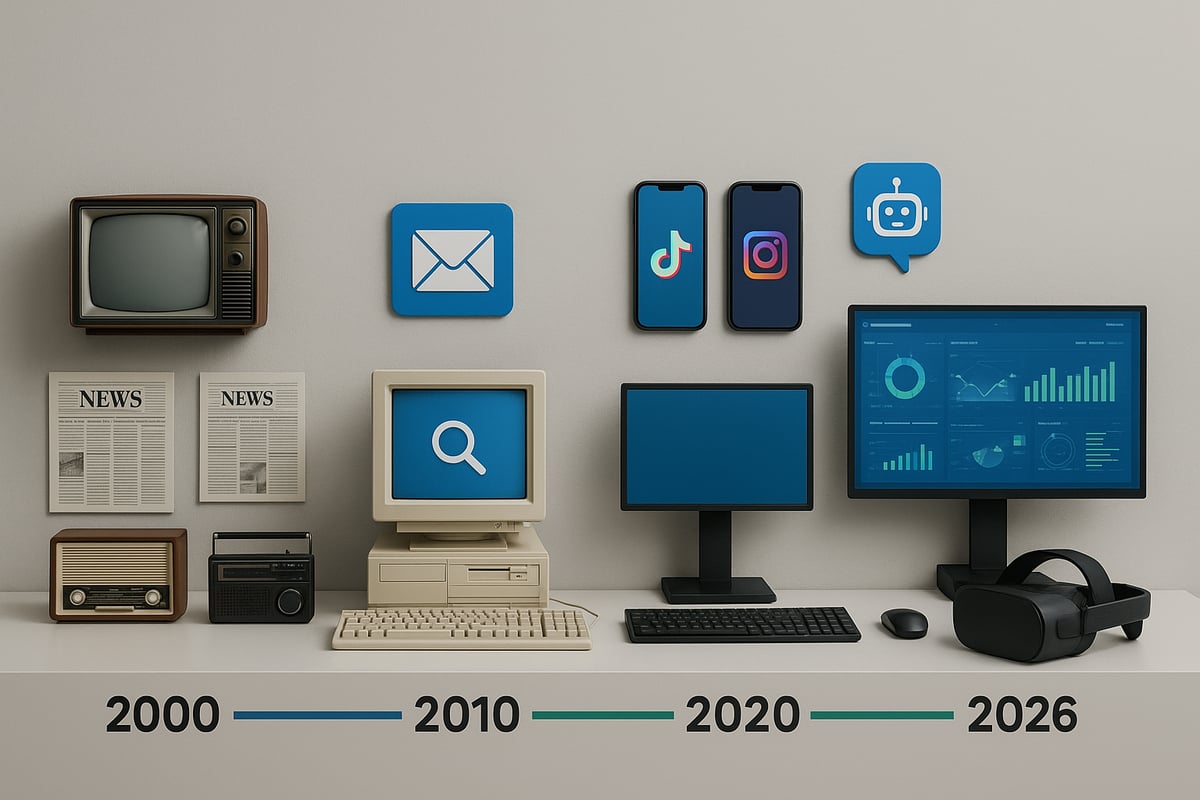
The story of how digital marketing is growing begins with a dramatic shift from traditional channels to digital. In the early 2000s, businesses relied on TV, print, and radio to reach audiences. As internet access expanded, consumer behavior changed quickly. Search engines, email, and early social media platforms began to carve out a larger share of marketing budgets.
By the mid-2010s, smartphones transformed how people consumed content. The COVID-19 pandemic then accelerated this digital transformation. Lockdowns forced businesses and consumers to adopt online solutions at unprecedented rates. The result: digital marketing is growing much faster than anyone predicted, with even B2B sales interactions now 30% more digital than before the pandemic, according to McKinsey.
From Traditional to Digital: The Turning Point
The pivot from traditional to digital channels marked a fundamental change. Businesses realized that digital marketing is growing because it enables more precise targeting, measurable results, and instant feedback. New platforms like TikTok and advanced Instagram features fueled the rise of short-form video, capturing consumer attention and driving engagement.
The table below summarizes the evolution:
| Era | Main Channels | Key Features |
|---|---|---|
| 2000-2010 | TV, Print, Radio | Mass reach, limited data |
| 2010-2020 | Search, Social, Email | Targeting, analytics, mobile |
| 2020-2026 | Social, Video, AR/VR | Personalization, AI, omnichannel |
The Rise of New Platforms and Content Formats
As digital marketing is growing, platforms like TikTok and Instagram Reels have become central to brand strategies. Short-form video content dominates, helping brands go viral and connect with younger audiences. Social media’s influence is not just about reach—it’s about community, engagement, and authenticity.
AI and automation have also taken center stage. From chatbots that handle customer queries to predictive analytics that forecast trends, technology is enabling smarter, faster campaign optimization. If you want to see how AI is rewriting the digital ad playbook, you’ll find that automation is making campaigns more efficient and impactful.
Smarter Strategies: AI, Automation, and Analytics
The shift to data-driven decision making has transformed marketing management. Gone are the days of relying on intuition alone. Real-time analytics now guide every stage of a campaign, from audience segmentation to creative adjustments. This data-centric approach is a major reason digital marketing is growing across all industries.
The integration of AR and VR is also opening new doors. Brands are enhancing customer experiences with interactive product demos, virtual try-ons, and immersive storytelling. These technologies, combined with omnichannel strategies, ensure customers enjoy seamless journeys across web, mobile, and even physical touchpoints.
Seamless, Data-Driven Experiences
Today, digital marketing is growing because businesses can deliver personalized, relevant experiences at scale. Omnichannel strategies tie together online and offline interactions, creating a unified brand presence. The future promises even more innovation, with AI, AR, and VR continuing to shape how marketers reach, engage, and convert audiences.
The evolution from traditional to digital is not just a trend; it’s a complete transformation that has redefined how brands connect with people. As technology advances, the pace at which digital marketing is growing will only accelerate, offering new opportunities for businesses ready to adapt.
Key Drivers Behind Digital Marketing Growth in 2026
The pace at which digital marketing is growing in 2026 is unprecedented, driven by a convergence of technological, economic, and behavioral shifts worldwide. With over 70 percent of the global population online, businesses have access to a far larger and more diverse audience than ever before.
Mobile devices are now the primary gateway to the digital world. The majority of searches and purchases occur via smartphones, making mobile-first strategies a necessity rather than an option. As digital marketing is growing, companies are prioritizing responsive design, fast-loading content, and app-based experiences to capture and retain attention.
E-commerce continues its explosive ascent, with online retail sales projected to surpass $7 trillion this year. The convenience of digital shopping, coupled with the integration of virtual consultations and seamless checkout, has transformed consumer expectations. As a result, digital marketing is growing rapidly, with brands investing in robust online storefronts, personalized product recommendations, and frictionless purchasing journeys.
Personalization at scale has become the gold standard. Artificial intelligence powers content, advertising, and targeting, enabling businesses to deliver the right message to the right person at the optimal moment. Real-time analytics and sophisticated attribution models allow marketers to measure every aspect of campaign performance, ensuring that digital marketing is growing with clear, measurable ROI.
Traditional marketing channels such as print and broadcast media are experiencing declining effectiveness. Digital platforms, by contrast, provide granular targeting, interactive engagement, and immediate feedback. For example, UK businesses are increasing their digital marketing budgets while reducing offline spend, reflecting a broader global trend.
The rise of voice and visual search is also reshaping how consumers discover products and services. Optimizing for these emerging technologies is now essential. Social proof, including reviews and influencer endorsements, heavily influences purchasing decisions, underscoring the importance of digital engagement.
To summarize the key drivers fueling digital marketing’s growth, consider the following table:
| Key Driver | 2026 Impact |
|---|---|
| Global Internet Access | 70%+ population online |
| Mobile Usage | Most searches and purchases on mobile devices |
| E-commerce Growth | $7T+ in online retail sales |
| Personalization & AI | Targeted, scalable, and automated campaigns |
| Measurable ROI | Real-time analytics, advanced attribution |
| Decline of Traditional | Shift of budgets away from print, TV, radio |
| Voice/Visual Search | New consumer discovery channels |
The scale of investment reflects these trends. According to recent projections, global ad spend is expected to reach $1.04 trillion in 2026, highlighting just how quickly digital marketing is growing as businesses pursue greater reach and impact.
As digital marketing is growing, marketers are compelled to innovate, personalize, and refine their strategies to stay ahead of evolving consumer behaviors. This dynamic environment presents significant opportunities for those prepared to adapt and leverage the latest advancements.

Essential Strategies for Digital Marketing Success
Achieving success in a landscape where digital marketing is growing requires a precise blend of proven tactics and adaptable strategies. As competition intensifies, brands must leverage a toolkit that not only reaches audiences but also nurtures and converts them efficiently.
The foundation lies in understanding the pillars that underpin why digital marketing is growing so rapidly. Let us break down the essential strategies that drive measurable results in 2026.

Content Marketing and SEO
Content remains the backbone of digital marketing. Brands that consistently produce high-quality, search-optimized content build authority and attract organic traffic. In 2026, generative AI tools assist marketers in creating blogs, product descriptions, and multimedia assets at scale, ensuring content is both relevant and engaging.
SEO has evolved beyond keywords, focusing on intent, user experience, and technical factors. Structured data, fast-loading pages, and mobile-first indexing are now non-negotiable. As digital marketing is growing, businesses that master these elements stand out in search results and win consumer trust.
A successful content strategy also incorporates topic clusters, regular updates, and multimedia. This approach keeps audiences engaged and signals value to search engines.
Video Marketing and Engagement
Short-form, live, and interactive video have emerged as dominant forces. Platforms like TikTok, Instagram Reels, and YouTube Shorts offer brands new ways to capture attention and drive conversions. As digital marketing is growing, video content provides authenticity and immediacy that static posts cannot replicate.
Live streams, webinars, and behind-the-scenes content foster real-time engagement. Interactive features, such as polls and shoppable videos, increase participation and move audiences along the buyer’s journey.
Generative AI is also transforming video production, allowing for rapid creation of personalized and dynamic content. Brands that prioritize video marketing see higher engagement rates and stronger brand recall.
Email Marketing and Personalization
Email remains a critical driver of retention and customer loyalty. Advanced segmentation and automation enable marketers to deliver personalized messages based on behavior, preferences, and lifecycle stage. As digital marketing is growing, consumers expect tailored experiences in their inboxes.
Automated workflows nurture leads, recover abandoned carts, and re-engage inactive customers. Personalization extends to dynamic content, product recommendations, and localized offers. A/B testing subject lines and layouts ensures continual improvement.
Compliance with data privacy regulations is essential. Brands that respect preferences and deliver value see higher open rates, click-throughs, and conversions.
Paid Advertising and Omnichannel Integration
Paid advertising has become increasingly sophisticated. Platforms like Google Ads and Meta Ads provide granular targeting, rich analytics, and automation features. As digital marketing is growing, service professionals and local businesses benefit from strategies tailored to their specific audiences.
For practical insights on optimizing paid campaigns, review this Paid advertising strategies for service pros guide, which details actionable steps for maximizing ROI.
Omnichannel marketing ensures consistent messaging across web, social, email, and even physical locations. Integrating platforms and tracking user journeys delivers cohesive experiences and maximizes touchpoints.
Mobile Optimization and Conversion Rate Optimization
Mobile-first experiences are imperative. Responsive design, rapid load times, and streamlined navigation make it easy for users to explore and purchase. As digital marketing is growing, the majority of conversions now occur on smartphones and tablets.
Conversion rate optimization (CRO) involves A/B testing, user experience improvements, and data-driven adjustments. Even minor tweaks to landing pages or forms can yield significant uplifts in conversions and revenue.
Data Analytics and Performance Tracking
Success in 2026 depends on robust analytics. Marketers rely on dashboards and KPIs to monitor performance, identify trends, and refine strategies. As digital marketing is growing, real-time insights allow for agile decision-making and continuous improvement.
AI-powered analytics predict customer behavior, personalize offers, and uncover new opportunities. The outcome is a marketing engine that is both efficient and scalable, driving measurable business growth.
Adapting Digital Marketing Across Industries
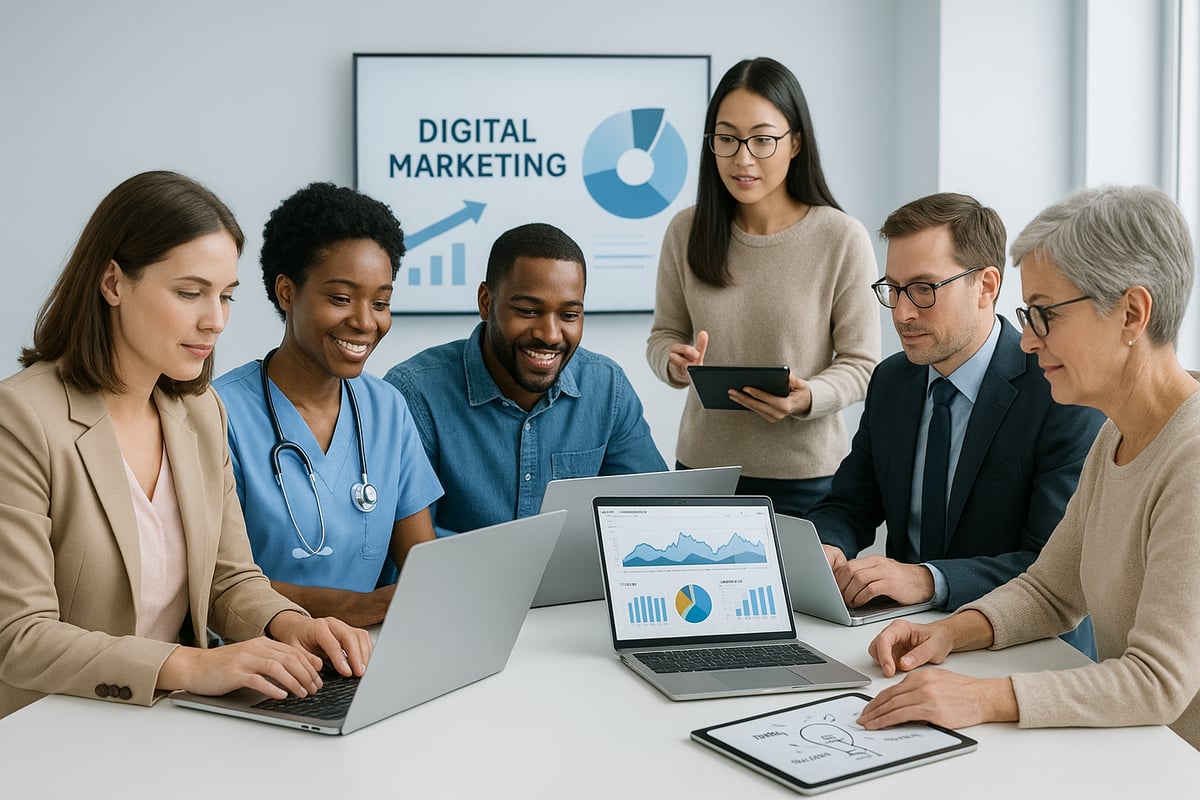
Digital marketing is growing at an unprecedented pace, reshaping how every industry connects with its audience. As businesses confront new consumer expectations and technological shifts, adaptation has become the cornerstone of sustained growth and competitive edge. Let us explore how digital marketing is growing and evolving across key sectors.
Retail & E-commerce
Retail and e-commerce have witnessed a transformative shift as digital marketing is growing within these sectors. Brands use personalization, dynamic product ads, and omnichannel strategies to drive sales. Consumers encounter tailored recommendations, seamless checkout, and real-time promotions across devices.
Short-form video, influencer partnerships, and interactive content boost engagement. E-commerce brands now rely on data analytics to personalize shopping experiences, increasing both conversion rates and customer loyalty. The e-commerce sector’s digital ad spend is projected to grow 15 percent year over year through 2026, signaling continued momentum.
Healthcare
Healthcare organizations are embracing digital transformation, recognizing that digital marketing is growing as patients seek information and services online. Providers use targeted campaigns to promote telemedicine, educate patients, and share wellness resources.
HIPAA-compliant digital advertising ensures privacy and trust. Healthcare marketers leverage social proof, such as patient testimonials and reviews, to build credibility. Virtual consultations and online appointment systems have become standard, enhancing access and streamlining the patient journey.
Education
As digital marketing is growing, educational institutions adapt by marketing online courses, hosting virtual open houses, and nurturing alumni engagement through targeted email campaigns. Schools and universities use content marketing to highlight program strengths and student success stories.
Social media platforms foster community and drive enrollment. Video tours, webinars, and interactive sessions allow prospects to connect from anywhere. Educational marketers also focus on SEO and paid ads to reach parents and learners searching for new opportunities.
Local Services
Local businesses are seeing direct benefits as digital marketing is growing. With tools like Google Business Profile, local SEO, and online reviews, service providers can boost visibility and attract nearby customers. Automated CRM systems nurture leads and streamline follow-up.
For a deeper dive into how local businesses leverage digital channels for growth, see this Small business impact of local ads article. Local businesses also use AI-enhanced Google Ads campaigns to maximize lead generation while maintaining compliance in regulated industries.
Finance & Regulated Industries
Finance and other regulated industries face unique challenges, yet digital marketing is growing in this space as well. Marketers must navigate compliance, using secure platforms and privacy-first strategies. Google Local Service Ads and targeted content help reach qualified clients.
Reputation management and transparency are critical. Finance brands educate consumers through blogs, webinars, and interactive tools, while leveraging data analytics to optimize campaigns and demonstrate measurable ROI.
B2B
In the B2B sector, digital marketing is growing through account-based marketing, LinkedIn Ads, and sophisticated lead nurturing funnels. Companies use data-driven insights to identify prospects, personalize outreach, and accelerate deal cycles.
Omnichannel communication and virtual events facilitate relationship building. B2B marketers prioritize content that addresses pain points, using webinars, whitepapers, and case studies to demonstrate expertise and build trust.
| Industry | Key Digital Strategies | Notable Trends |
|---|---|---|
| Retail & E-commerce | Personalization, Dynamic Ads, Omnichannel | 15 percent YoY ad spend growth |
| Healthcare | Telemedicine, Patient Education, Reviews | Virtual consultations standard |
| Education | Online Course Marketing, Virtual Events | SEO and social media for enrollment |
| Local Services | Local SEO, CRM, Reviews | AI-powered Google Ads, compliance |
| Finance & Regulated | Compliance, Content, Reputation | Data privacy, secure platforms |
| B2B | ABM, LinkedIn Ads, Content | Omnichannel, thought leadership |
Digital marketing is growing across every industry, driven by innovation, data, and evolving consumer needs. Businesses that adapt their strategies and embrace new technologies will unlock greater visibility, engagement, and long-term success in today’s digital-first world.
Challenges and Competition in the Digital Space
The reason digital marketing is growing so rapidly in 2026 is also the root of many challenges. As more brands invest in digital channels, the online marketplace has become crowded. Standing out is harder than ever, and businesses need to compete for attention in a world flooded with ads, content, and offers. Market saturation means brands must differentiate through creativity, value, and unique customer experiences.
Rising advertising costs are another direct result of why digital marketing is growing at such a fast pace. Increased competition for ad space has pushed prices up, forcing brands to be more strategic with their budgets. At the same time, data privacy regulations like GDPR and CCPA have tightened, making it essential for marketers to be transparent and compliant. Changes in social media and search engine algorithms also keep marketers on their toes, as organic reach can shift overnight and paid campaign performance can fluctuate unexpectedly.
Brand safety and ad fraud have become pressing concerns as digital marketing is growing. Marketers must guard against invalid traffic and ensure their ads appear in trustworthy environments. Consumer skepticism is another hurdle. People are more aware of advertising tactics, and ad fatigue is real. To build trust, brands must focus on authentic messaging and genuine engagement. Small businesses, in particular, are adapting by leveraging niche platforms and hyper-local targeting, finding creative ways to connect with audiences despite increased competition. According to recent projections, the global digital advertising market is expected to reach $1.1 trillion by 2030, showing just how fierce the competition has become.
Innovation is the key to thriving in this landscape where digital marketing is growing. Brands that constantly experiment with new platforms, creative formats, and data-driven approaches are more likely to rise above the noise. Success now depends on continuous learning, adaptation, and a willingness to test and pivot quickly. As the digital landscape evolves, those who embrace change and invest in unique strategies will be best positioned to capture audience attention and achieve sustainable growth.
| Major Challenge | Impact on Marketers | Response Needed |
|---|---|---|
| Market Saturation | Harder to stand out, increased competition | Creativity, differentiation |
| Rising Costs | Higher ad prices, budget pressure | Strategic investment, optimization |
| Data Privacy & Regulation | Compliance requirements, limited targeting | Transparency, first-party data |
| Algorithm Changes | Unpredictable organic and paid reach | Agile strategy, monitoring |
| Ad Fraud & Brand Safety | Risk of wasted spend, reputation management | Verification, trusted partners |
| Consumer Skepticism | Lower trust, ad fatigue | Authenticity, community building |
Future Trends and Predictions for Digital Marketing
The future of digital marketing is growing more dynamic with each passing year. Technological innovation and shifting consumer habits are setting the stage for a revolution. By 2026, businesses will need to adapt rapidly to stay relevant and competitive.
As digital marketing is growing, brands must keep an eye on emerging trends that promise not only to change how they operate, but also to unlock new opportunities for engagement and growth.
The Rise of AI and Predictive Personalization
AI and machine learning are driving profound changes in how digital marketing is growing. Marketers now harness AI to deliver hyper-personalized content, predict consumer behavior, and automate complex campaign processes.
With AI, brands can analyze vast datasets in real time, refining targeting and messaging to reach the right audience at the right moment. Predictive analytics empowers teams to anticipate trends and optimize budgets with unprecedented precision.
According to recent research, 80 percent of marketers will increase their investment in AI and automation by 2026. The AI’s transformative impact on digital marketing by 2026 is undeniable, making machine learning an essential tool for businesses aiming to stay ahead.
Next-Gen Search and Immersive Experiences
Another key driver behind why digital marketing is growing is the evolution of search and user experience. Voice and visual search are becoming mainstream, fundamentally changing how consumers discover products and information.
AR and VR technologies are making marketing more interactive and immersive. Virtual showrooms, 3D product demos, and augmented reality ads are enhancing the customer journey and boosting engagement.
Generative AI is also revolutionizing content creation, especially in video. In fact, Generative AI to power 40% of video ads by 2026, signaling a shift toward scalable, high-impact creative assets. These advances are central to how digital marketing is growing across industries.
Social Commerce and Influencer Evolution
Social commerce is reshaping the way digital marketing is growing, as consumers increasingly shop directly within social platforms. Features like shoppable posts and live-stream shopping events are blurring the lines between discovery and purchase.
Influencer marketing is maturing, with brands shifting focus to micro-influencers and long-term partnerships for greater authenticity. User-generated content and social proof are more valuable than ever in building trust and driving conversions.
Automation is also streamlining content creation and curation. AI-generated blogs, ads, and even interactive experiences are making it easier for marketers to maintain a strong, consistent presence across multiple channels.
Data Privacy, Sustainability, and Agility
As digital marketing is growing, so too are concerns around data privacy and ethical practices. The shift toward first-party data strategies and consent-based marketing is reshaping how brands collect and use information.
Consumers are demanding more transparency and expect brands to prioritize sustainability and social responsibility. Marketers must adopt ethical approaches to build lasting relationships and foster brand loyalty.
The future will reward agility and resilience. Businesses that embrace change, experiment with new platforms, and adapt quickly to market shifts will be best positioned for long-term success. Digital marketing is growing into a discipline defined by innovation, accountability, and a relentless focus on the customer.
As we’ve explored, digital marketing is evolving rapidly—powered by AI, data-driven strategies, and the need for businesses to connect with customers in more personal, effective ways. If you’re ready to see how these trends can translate into real lead growth for your business, let’s take the next step together. We’re passionate about helping Colorado Springs businesses thrive in this digital era, and we’d love to show you what’s possible. See How We Generate More Leads and discover the strategies that can set your business apart in 2026 and beyond.