


Online internet marketing decides whether your business captures its local market or watches a competitor do it. For small and mid-sized businesses, the winning formula has three parts: get found, convert the traffic, and follow up automatically so nothing slips. This guide covers each part, from search visibility to the automation systems that scale customer acquisition without scaling headcount.
Understanding the Foundation of Online Internet Marketing
Online internet marketing covers every promotional activity that runs through a digital channel. The difference from traditional advertising is data: you can measure every stage of the customer journey and optimize on facts instead of hunches.
The foundation is three connected pillars: visibility, conversion, and retention. Get discovered through search and social, turn that traffic into qualified leads, then nurture those relationships with automated follow-up. Each pillar needs its own tools, but they work as one system.
Customers research before they buy, and most journeys start with a search. Show up at that moment, through organic presence and paid ads, and you win the customers your competitors never even see.
The Role of Search Visibility in Customer Acquisition
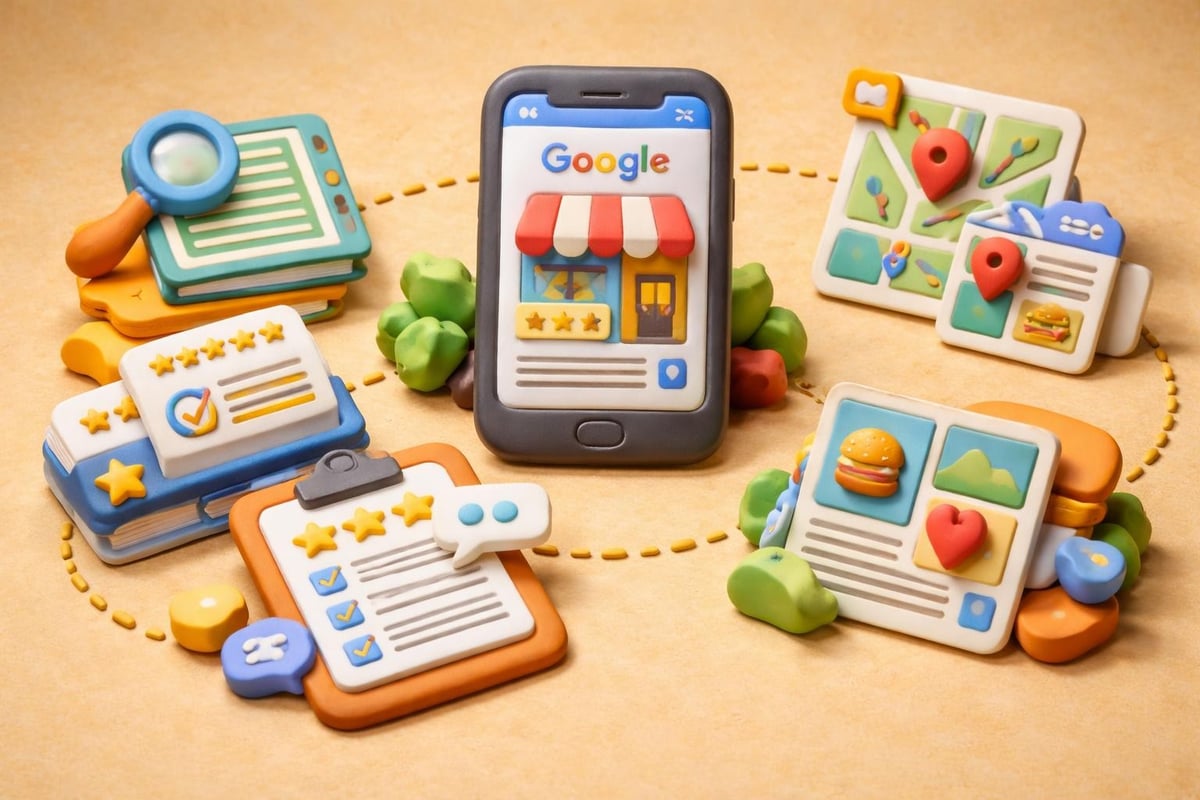
SEO is the cornerstone because it produces qualified traffic without ongoing ad spend. When someone searches for services in your area, ranking well in local search results puts you in front of a buyer at the moment of need.
Local SEO priorities for service businesses include:
- Google Business Profile optimization with accurate NAP (name, address, phone) information
- Location-specific content that addresses community needs and questions
- Citation consistency across business directories and local platforms
- Review generation systems that build social proof and search signals
- Mobile-optimized websites that load quickly and provide clear conversion paths
SEO takes three to six months to pay off, so treat it as a medium-term investment. Once rankings are established, though, the returns compound: the same content keeps pulling traffic with no cost per click.
Paid Advertising Strategies That Drive Immediate Results
Paid advertising is the other half: immediate traffic and precise targeting. Google Ads and Meta reach customers at different stages of intent, and they work best together.
Google Ads for High-Intent Traffic
Google Ads catches people actively searching for what you do. Build campaigns around location-specific keywords, use ad extensions, and send clicks to service-specific landing pages, not your homepage.
Then keep tuning. Quality Score, click-through rate, and conversion rate decide your position and your cost per click. Small businesses burn budget on broad keywords with no buying intent. Focused campaigns targeting specific service requests earn better ROI.
| Campaign Element | Best Practice | Common Mistake |
|---|---|---|
| Keyword Match Type | Start with phrase match, refine to exact | Using broad match without negative keywords |
| Ad Copy | Include location and specific service benefits | Generic messages without differentiation |
| Landing Pages | Service-specific pages with clear CTAs | Sending all traffic to homepage |
| Bid Strategy | Manual CPC initially, then automated strategies | Setting “maximize clicks” without conversion tracking |
Meta Advertising for Awareness and Retargeting
Meta ads (Facebook and Instagram) build awareness with people who fit your customer profile but are not searching yet. Targeting by demographics, interests, and behavior reaches them before your competitors do.
Retargeting on Meta earns its keep for businesses with longer sales cycles. Visitors who did not convert see reminder ads with reviews and case studies, and come back to book.
Run Google and Meta together and you cover both ends: high-intent searchers plus a wider audience getting familiar with your name. According to Statista’s data on social networks, the user bases on these platforms dwarf anything search advertising alone can reach.
Marketing Automation Systems That Scale Without Additional Labor
The biggest recent shift in online internet marketing is automation that handles repetitive communication without a human touching it. For a small team, that means no more missed opportunities.
Core automation components include:
- Lead capture forms with instant acknowledgment messages
- CRM integration that organizes contacts by source and stage
- Automated email sequences nurturing leads over time
- SMS messaging systems for appointment reminders and follow-up
- AI voice agents handling inbound calls and qualification
These systems answer within seconds, at 2 AM on a Sunday if that is when the lead arrives. Speed matters: leads contacted within five minutes convert at dramatically higher rates than ones that wait.

AI-Driven Tools Transforming Customer Communication
AI has moved from experiment to everyday tool, especially for customer service and lead qualification. Voice agents answer common questions, book appointments, and qualify leads before a human ever picks up.
AI-powered automation lightens the load on small teams and keeps service consistent. Every caller gets the same quality answer, and every conversation gets logged for follow-up. That is gold for businesses with call spikes or after-hours demand.
The trick is knowing what to automate. Appointment confirmations and routine questions: automate away. Complex problem-solving and relationship building: keep the humans.
Content Marketing as a Lead Generation Engine
Content marketing earns trust while attracting organic traffic from people researching solutions. Helpful articles position you as the authority instead of just another vendor.
Write about what your customers actually ask. A roofer in Colorado Springs gets far more value from a guide on hail damage repair for Front Range weather than from generic maintenance tips that could apply anywhere.
Content types that drive results for service businesses:
- Local area guides targeting neighborhood-specific searches
- Service explanation articles that educate customers on processes and options
- FAQ content addressing common objections and concerns
- Case studies demonstrating results for similar customers
- Video tutorials showing expertise and building trust before contact
Depth beats frequency. One thorough article that fully answers a question outperforms five shallow ones. Working with internet marketing service providers who understand content strategy helps you build an editorial calendar around real search behavior.
Conversion Rate Optimization: Getting More From Existing Traffic
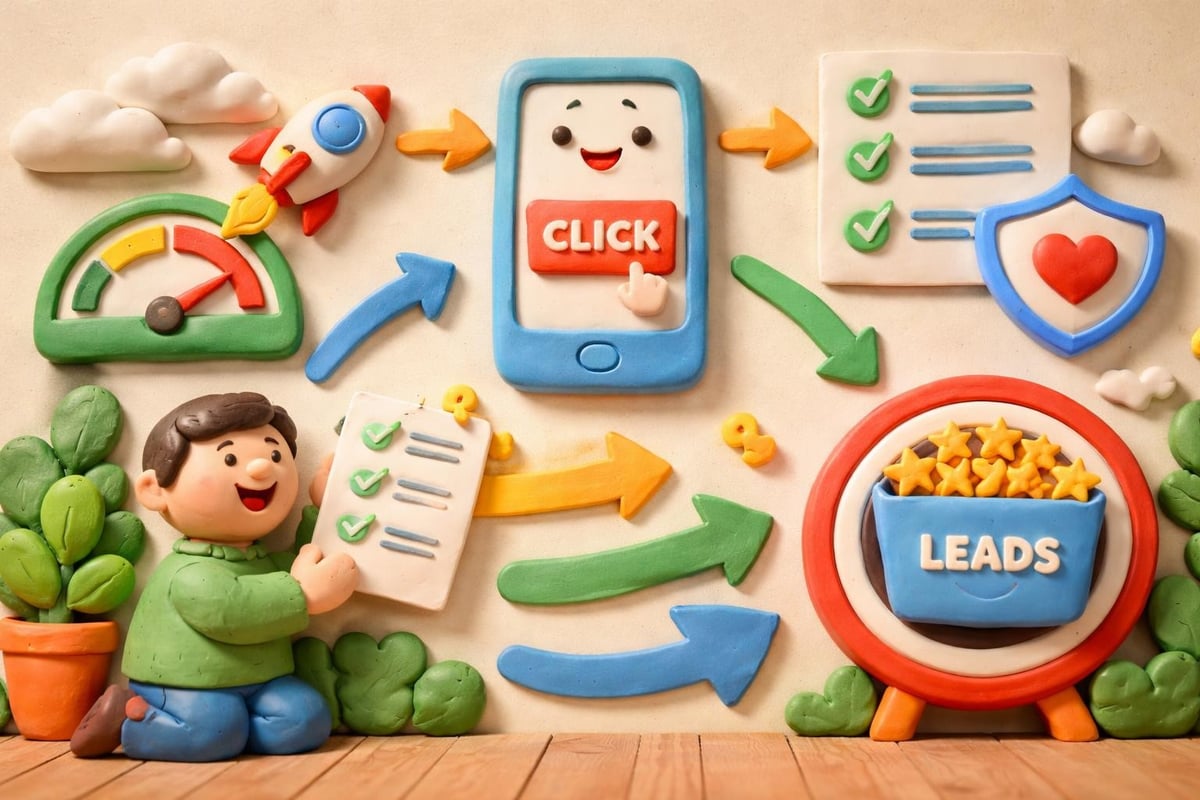
More traffic without better conversion is money down the drain. Conversion rate optimization removes friction so visitors actually call, book, or fill out the form.
Elements That Impact Conversion Rates
Speed comes first. Slow pages bleed visitors, especially on mobile where most local searches happen. Google’s Core Web Vitals also feed rankings, so speed is a marketing issue, not just a technical one.
Make the next step obvious: prominent phone number, contact form above the fold, a booking calendar. Every extra click and form field cuts completions. Ask for less, get more.
| Conversion Element | Optimization Strategy | Expected Impact |
|---|---|---|
| Page Load Speed | Compress images, minimize code, use CDN | 10-25% improvement |
| Mobile Experience | Responsive design, large tap targets | 15-30% improvement |
| Form Fields | Reduce to 3-5 essential fields only | 20-40% improvement |
| Social Proof | Display reviews, testimonials, badges | 10-20% improvement |
| Clear Value Proposition | Specific benefits in headlines | 15-35% improvement |
Trust signals close the gap for first-time visitors: reviews, credentials, security badges. People need a reason to believe you are legitimate before they hand over their contact info.
Data Analytics and Performance Measurement
The measurement advantage is real: analytics track behavior from first discovery through conversion, showing exactly which channels return your investment.
Key metrics for service business marketing:
- Cost per lead across different channels and campaigns
- Lead-to-customer conversion rate by traffic source
- Customer lifetime value to justify acquisition costs
- Organic search rankings for priority keywords
- Website engagement metrics including bounce rate and time on page
Google Analytics covers traffic and behavior. Wire it to your CRM and you see which channels produce paying customers, not just leads, so budget follows revenue instead of impressions.
Call tracking adds the missing layer: unique phone numbers per channel show which campaigns make the phone ring. For service businesses, that is often the conversion path that matters most.
Integration Strategies for Maximum Marketing Impact
The best online internet marketing runs channels as a system. Search ads work harder when organic content has built recognition. Email automation converts better when segmented by source and interest.
In competitive markets like Colorado Springs, combining local SEO services with paid ads and automation builds an advantage no single channel can match. A prospect finds you in search, sees your retargeting ad, gets a helpful follow-up email, and by the time they call, they already trust you.
Cross-channel attribution shows how touchpoints add up. Most customers interact several times before buying, so crediting only the last click hides what actually worked.
Building Scalable Marketing Infrastructure
Sustainable growth needs systems that scale without adding labor. Nurture sequences run at any volume, published content attracts traffic indefinitely, and optimized landing pages handle unlimited visitors.
That is the shift: from scrambling for referrals to infrastructure that produces predictable lead flow you can plan a business around.
Industry-Specific Applications and B2B Considerations
The principles are universal, but the implementation is not. Business-to-business marketing runs on longer cycles, more decision-makers, and bigger ticket sizes than consumer services.
B2B buyers research hard before picking vendors, so whitepapers, case studies, and webinars build credibility. LinkedIn ads and account-based marketing target specific companies and roles instead of broad demographics.
Local consumer businesses flip the priorities: Google Business Profile, citations, and reviews, so you show up the moment a nearby customer needs you.
According to Nielsen’s research on influencer marketing, businesses in every sector now lean on trusted voices to reach audiences who tune out traditional ads.
Emerging Trends Shaping Digital Marketing Strategy
The landscape keeps moving: new platforms, new algorithms, new habits. Adapt and you keep your edge. Cling to old tactics and returns shrink.
Current trends impacting marketing effectiveness:
- Voice search optimization as smart speakers and voice assistants change query patterns
- Video content dominance across social platforms and search results
- Privacy regulations limiting tracking capabilities and requiring consent-based marketing
- AI content generation tools changing content production economics
- Hyper-local targeting as search engines prioritize proximity in local results
Privacy-first marketing means first-party data wins. Email lists, CRM databases, and customer accounts grow more valuable as third-party tracking dies.
Video keeps expanding everywhere. Short-form on Instagram and TikTok, long-form education on YouTube. If you can make video, you reach people text never touches.
Good online internet marketing combines smart channel selection, data-driven optimization, and automation into predictable customer acquisition. Pioneer Marketing helps Colorado Front Range businesses build exactly that: local search visibility, paid advertising, and intelligent automation wired into one revenue-generating system.


