
Most marketing tasks don’t need you. Follow-up emails, social posts, review requests, lead routing: software handles all of it now, around the clock. That’s automation digital marketing in a nutshell, and in 2026 it’s the cheapest hire you’ll ever make.
This guide walks through what marketing automation actually does, which platforms are worth your money, and how to roll it out without breaking what already works.
Understanding Automation in Digital Marketing
Picture your repetitive marketing tasks running themselves while your team spends its time on strategy and creative work. That’s the whole pitch, and it’s not oversold.
What Is Automation in Digital Marketing?
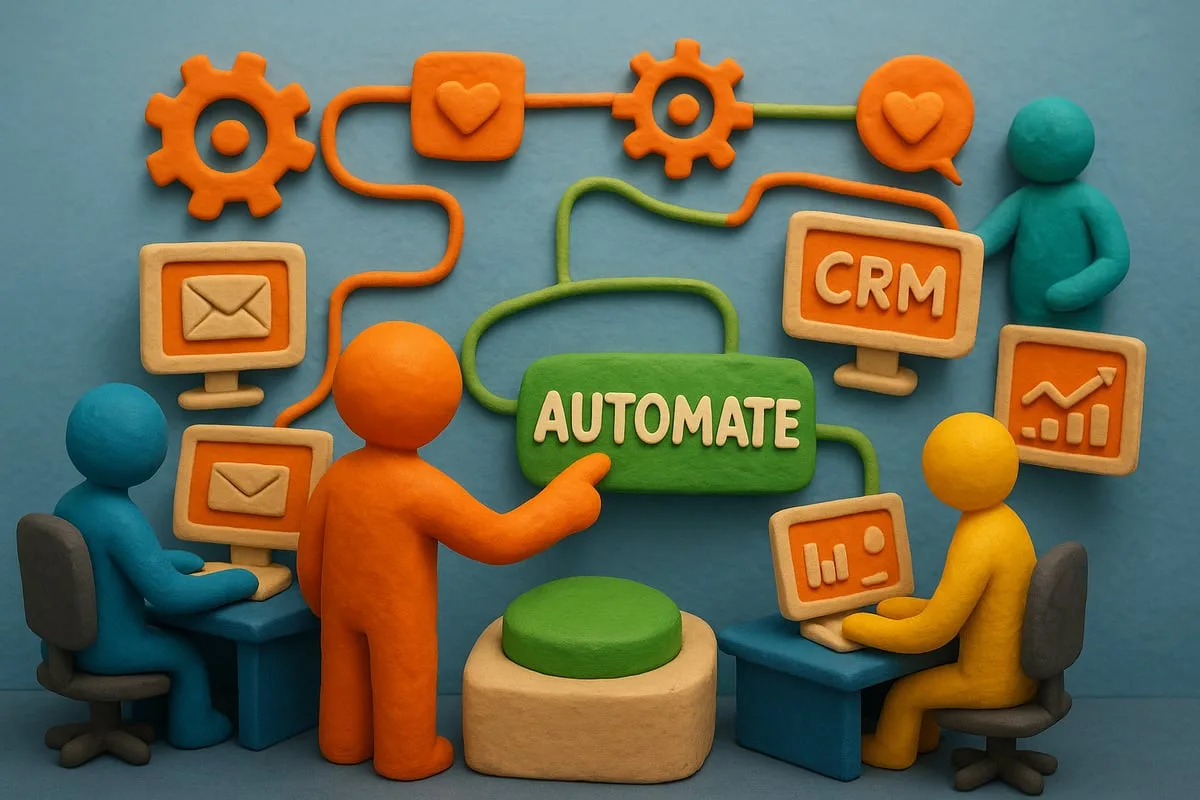
Automation digital marketing means using software and AI to run the marketing work you’d otherwise do by hand. You build a workflow once, and it delivers the right message to the right person at the right time, every time.
Think automated email sequences, scheduled social posts, customer segmentation, lead nurturing. Manual marketing means repetitive work and typos at 11pm. Automation means the same task done the same way, every time.
It doesn’t replace marketers. It connects your CRM, analytics, and content so your team can stop copying data between tools. Per Ascend2, 63% of marketers automate email, 50% automate social media, and 40% automate paid ads.
The Evolution of Marketing Automation: 2024-2026
A few years ago, automation meant scheduled emails and not much else. Now it means AI personalization, predictive analytics, and campaigns that coordinate across every channel in real time.
The bigger shift: this stuff is no longer enterprise-only. Small and mid-sized businesses can now run the same playbook Airbnb and Netflix use to personalize content at scale.
The money agrees. Marketing Automation Market Growth Statistics project AI in marketing to top $107 billion by 2028. Customers expect instant, personal responses, and businesses are buying the tools that deliver them.
Core Components of Modern Marketing Automation
A good platform covers the basics well: automated email workflows like welcome series, cart abandonment, and re-engagement campaigns.
Segmentation and behavioral triggers send messages based on what people actually do. Lead scoring flags the prospects worth a sales call. Social tools handle scheduling, listening, and replies.
You also want reporting dashboards you’ll actually read, clean CRM integration, and an interface your team can use without a certification course.
Key Trends Shaping Automation in 2026
Where is this headed? AI personalization that adjusts content per user, and predictive analytics that pick better audiences and better send times.
Chatbots now handle instant support and lead qualification. Multi-channel automation keeps email, SMS, ads, and social telling the same story. A/B testing runs itself and applies the winner.
Privacy compliance is getting automated too, with built-in checks for changing regulations. Automation digital marketing is heading toward more real-time, more personal, and less manual work.
The Benefits of Automation for Digital Marketing Success
Automation digital marketing gets you three things: aligned teams, hours back every week, and personalization you could never do by hand.
Enhanced Collaboration and Alignment
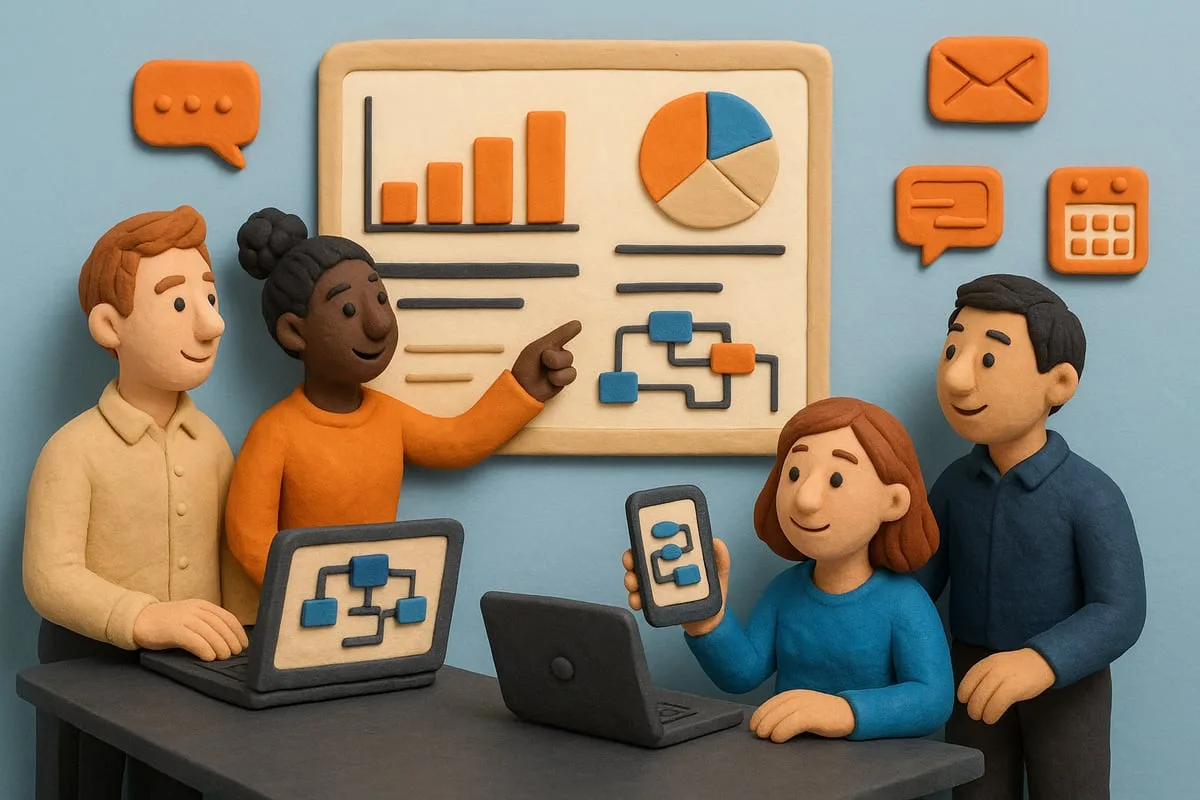
Automation puts sales and marketing on the same page by centralizing data and lead management. Automated scoring and handoffs mean hot leads stop falling through the cracks.
- Shared dashboards keep everyone aligned on campaign performance.
- Real-time insights from sales calls inform marketing adjustments.
- Automated workflows support stronger follow-ups and consistent messaging.
Fewer silos, better follow-up, one consistent message from first click to closed deal.
Time and Cost Savings
Automation kills the busywork: scheduling, data entry, reporting. Your campaigns run 24/7 and capture leads while you sleep, without adding headcount.
- Automated campaigns run 24/7, capturing leads at all hours.
- Businesses reduce operational costs by optimizing resource allocation.
- Small businesses, such as Wellington Brewery, have seen significant returns from automated workflows.
And you don’t need an in-house team to get it. If you’d rather have it done for you, our AI-Powered Marketing Automation services handle setup and management.
Personalization and Audience Targeting at Scale
Automation digital marketing also lets you segment audiences in real time and tailor offers by behavior. Dynamic content adapts to what each customer does, from onboarding through re-engagement.
- Dynamic content adapts to customer actions, improving engagement.
- Automated journeys support lifecycle marketing, from onboarding to re-engagement.
- Brands like Airbnb leverage automation for targeted ads and recommendations.
The result: higher open rates, more conversions, and customers who feel like you actually know them.
Consistency, Branding, and Compliance
Every automated touchpoint carries the same brand voice and meets the same compliance bar. Netflix uses this approach to localize content worldwide without losing consistency.
- Consistent branding across email, social, and ad channels.
- Automated workflows maintain quality standards as campaigns scale.
- Companies like Netflix use automation to localize and manage global content efficiently.
Fewer errors, enforced standards, more trust.
AI and the Future of Automated Digital Marketing
AI stopped being the shiny new thing and became the engine. Heading into 2026, it drives how campaigns run, how data gets read, and how customers get treated.
The Expanding Role of Artificial Intelligence
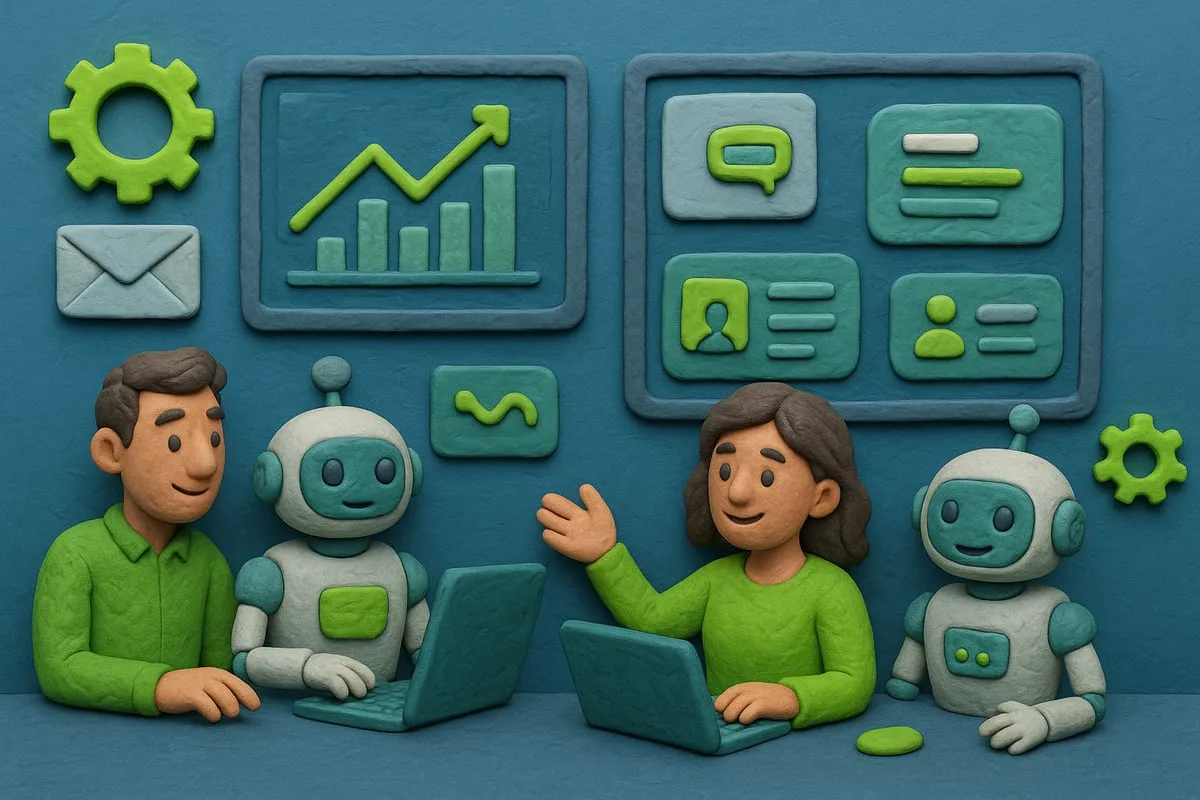
Tools like ChatGPT, Google’s LM Notebook, and Claude are now standard for ideation and content drafts. AI predicts trends, writes variants, and optimizes campaigns while they run.
AI lead scoring spots high-value prospects fast, chatbots qualify leads at 2am, and automated A/B testing keeps improving results. For what’s coming next, see these AI Innovations Shaping Marketing in 2026.
Predictive Analytics and Data-Driven Decision Making
Predictive analytics takes the guesswork out of targeting. AI reads large datasets, finds audience patterns, and forecasts what will work before you spend.
Netflix is the famous example: AI predicts what viewers want and serves it up. You can apply the same logic to send times, offers, and content topics.
Hyper-Personalization and Dynamic Content
Hyper-personalization means every touchpoint adapts to the user: dynamic emails, personalized pages, offers based on real-time behavior.
Airbnb runs automated A/B tests and tailored recommendations this way. Micro-segmentation lets you get specific enough that messages feel written for one person.
Conversational Marketing and Automated Engagement
AI chatbots and messaging platforms now handle support, lead capture, and qualification on their own.
Automated conversation flows nurture prospects, cut response times, and sync everything to your CRM for follow-up. You scale conversations without scaling staff.
Data Privacy, Ethics, and Automation Challenges
Personalization runs on data, and data comes with rules. GDPR and CCPA apply to automation digital marketing just like everything else.
Automated compliance checks and consent management are table stakes now. Keep a human in the loop and be transparent about how you use data. Trust is hard to win back.
Proven Automation Digital Marketing Strategies for 2026
Ready to actually do this? Here are five steps that take you from zero to working automation digital marketing without the expensive detours.
Step 1: Audit and Identify Automation Opportunities
Start with an audit. Map your current workflows and flag the repetitive time-sinks: response emails, follow-up sequences, social scheduling.
Then look at your lead generation and nurturing. Where do leads stall? How well do your CRM and analytics tools actually talk to each other?
Rank the opportunities by return, and get marketing, sales, and IT in the room early. Automating the wrong thing efficiently is still automating the wrong thing.
Step 2: Select the Right Automation Tools and Platforms
Pick tools based on features you’ll use, room to grow, and how well they plug into your CRM, email, social, and analytics.
Compare the usual suspects: HubSpot, Marketo, Salesforce Marketing Cloud, Customer.io, MailChimp, ActiveCampaign, Hootsuite. Read reviews, check support quality, and match the platform to your model, B2B or B2C.
For more on picking tools, see these AI Automation Strategies for Businesses.
Step 3: Design Automated Workflows and Personalization
Workflows are where automation earns its keep. Map your customer journeys, then build email sequences for welcoming new users, nurturing leads, and waking up dormant contacts.
Add behavioral triggers, like cart abandonment or milestone events, so messages land when they’re relevant. Segment your audience and personalize with dynamic content.
Test everything before you flip the switch. Check that the brand voice holds and the logic does what you think it does.
Step 4: Train Teams and Foster Adoption
Your tools are only as good as the people using them. Train marketing, sales, and support hands-on, and be straight with everyone about what changes and why.
Encourage experimentation, and name an automation champion to spread what works. A DMI report found 36% of corporate leaders see martech and automation as a skills gap. Close it on purpose.
Step 5: Monitor, Optimize, and Scale
Set clear KPIs for every automated campaign. Track open rates, conversions, and ROI, not vanity metrics. Judge your automation digital marketing by the revenue it produces, not by how many workflows you built.
A/B test regularly, update workflows based on the data, and roll winning automations out to more channels and teams.
Real-World Examples: Automation in Action
Enough theory. Here’s automation digital marketing producing real numbers for real companies, from global brands to a small brewery, all part of the broader digital marketing growth trends reshaping the industry.
Airbnb: Personalization and Scalable Automation
Airbnb personalizes at massive scale. Search history, preferences, and location feed tailored recommendations that drive bookings.
- Automated targeted ads reach users across channels.
- AI-powered content creation streamlines listing management for hosts.
- Listing optimization tools, such as automated photo tours, enhance property visibility.
Ad targeting, listing optimization, photo tours, A/B testing: all automated, all feeding each other. The lesson for smaller businesses is the architecture, not the budget. Build systems that improve themselves.
Netflix: AI-Driven Content and Customer Journeys
Netflix personalizes every touchpoint. Landing pages greet each subscriber differently, and predictive analytics guide what gets made and where it gets localized.
- Automated regression, UI, and load testing ensure platform reliability.
- AI-driven recommendations influence 80 percent of user viewing choices.
- Automated subtitles, translations, and dubbing support global scalability.
The takeaway: when personalization and testing run on their own, the experience stays consistent in every region, on every device.
Wellington Brewery: Small Business Automation ROI
You don’t need Netflix’s budget. Wellington Brewery, a small business, automated its email workflows and boosted ecommerce sales while freeing up staff time.
- Automated campaigns generated $36,000 per year in additional revenue.
- Manual workload was reduced, allowing staff to focus on strategy and innovation.
- Personalized offers and re-engagement sequences increased customer loyalty.
Time efficiency improved 43 percent. That’s automation digital marketing paying for itself many times over at small-business scale.
Automation for Local Service Businesses
For local service businesses, the wins are even more concrete. Automated scheduling and reminders cut no-shows. Review requests go out after every job. CRM follow-ups nurture leads while you’re on a roof or under a sink.
- Local SEO automation sends review requests post-service.
- CRM-driven follow-up nurtures inbound leads and improves conversion rates.
- Automated communications keep customers informed and engaged.
Roofers, plumbers, and landscapers use automation digital marketing to grow without hiring office staff. The software handles the follow-up. You handle the work.
Choosing the Best Automation Platforms for Your Needs
The platform you pick can make or break the whole effort. Before comparing features, get clear on what you need: tight integration with your current tools, room to grow, and an interface your team won’t dread.
Insist on solid support and onboarding, transparent pricing, and real data security. Customization matters too, since your workflows won’t match anyone else’s. For how AI is reshaping these platforms, read up on Artificial Intelligence in Marketing.
Key Criteria for Platform Selection
Integration comes first. If the platform doesn’t play well with your CRM, email, social, and analytics, nothing else matters. Then check scalability: can it handle you at twice your size?
Steep learning curves kill adoption, so demo the interface with the people who’ll live in it. Verify security and compliance features, and get pricing in writing with no hidden fees.
Good onboarding and flexible workflows round out the list. You want a platform that adapts to your process, not the reverse.
Comparing Top Automation Platforms in 2026
The 2026 field has clear lanes. HubSpot is the all-in-one with strong CRM integration, great for small and mid-sized businesses. Marketo leads on analytics and account-based marketing. Salesforce Marketing Cloud maps complex customer journeys.
Customer.io excels at real-time, multi-channel workflow customization. MailChimp and ActiveCampaign are the affordable, easy options for small teams. Hootsuite and ContentStudio own the social lane.
| Platform | Strengths | Best Fit |
|---|---|---|
| HubSpot | CRM integration, all-in-one | SMBs |
| Marketo | Analytics, ABM | Enterprises |
| Salesforce Marketing Cloud | Journey visualization | Large organizations |
| Customer.io | Workflow customization | Tech-savvy teams |
| MailChimp/ActiveCampaign | Ease of use, affordability | Small businesses |
| Hootsuite/ContentStudio | Social media automation | Social-first brands |
Before you commit, skim the AI-Powered Content Trends in 2026 to make sure your pick isn’t about to fall behind.
Pioneer Marketing: Local SEO & AI-Driven Automation for Colorado Businesses
Pioneer Marketing (full disclosure: that’s us) builds automation digital marketing systems for small and mid-sized businesses along Colorado’s Front Range. We do AI-powered marketing automation, Google and Meta Ads, landing pages, CRM automation, and local SEO.
We set up automated lead tracking, follow-up, and appointment booking, and we’ve worked in regulated industries like pawnshops and martial arts studios. Transparent reporting comes standard.
If you want the done-for-you version, start with a free AI Growth Audit and strategy call.
Red Flags and Pitfalls to Avoid
A few warning signs before you sign anything. Platforms so complex they need dedicated staff. Weak integration with the systems you already run.
Poor support, murky onboarding, hidden setup fees. Missing compliance features that leave you exposed.
And rigid workflows you can’t customize, or technology that hasn’t seen an update in years. Any of these should send you back to the shortlist.
Step-by-Step Implementation Roadmap for 2026
Here’s the rollout, phase by phase. Follow it in order and your automation digital marketing investment starts paying off instead of gathering dust.
Phase 1: Strategy and Planning
Set clear objectives and measurable KPIs first, and get marketing, sales, and IT aligned before you buy anything. Write down what automation digital marketing should change for you: faster follow-up, fewer no-shows, more booked calls.
- Audit current processes to identify bottlenecks and tasks ready for automation.
- Map customer journeys, highlighting critical touchpoints for intervention.
- Select pilot campaigns that offer high potential for impact and learning.
- Allocate necessary budget and resources for implementation.
- Develop a detailed timeline for rollout and milestone tracking.
Phase 2: Platform Setup and Integration
Choose a platform that connects cleanly to your CRM, analytics, and communication tools.
- Configure integrations to enable real-time data flow between systems.
- Import and segment existing customer data for effective targeting.
- Set up user roles and permissions to maintain control and security.
- Customize workflows to reflect your unique business processes.
- Test all integrations to confirm reliability and data accuracy.
Generative AI Adoption in Marketing keeps climbing, and marketers now expect platforms to support it out of the box. Buy for where you’ll be, not where you are.
Phase 3: Workflow Design and Launch
Now build the workflows: emails, SMS, and social posts triggered by what customers actually do. Define the logic, create reusable templates, set up reporting, and pilot before you go wide.
- Define triggers and conditional logic for personalization.
- Create reusable content templates for dynamic messaging.
- Set up real-time reporting dashboards for immediate insights.
- Run internal tests to identify and resolve issues before launch.
- Launch pilot campaigns to gather data and feedback.
Phase 4: Optimization and Scaling
After launch, the job is refinement. Read the campaign data, A/B test messaging and timing, and expand what works to more channels.
- Analyze campaign data to identify trends and gaps.
- Conduct A/B testing on messaging and timing for better results.
- Expand successful workflows to additional channels and business units.
- Seek feedback from your team and customers to enhance processes.
- Document best practices and stay updated on platform advancements.
Document what works and keep learning your platform’s new features. The businesses that win with automation digital marketing treat it as a system they tune, not a switch they flip. Ready to get your time back? Explore Our Marketing Automation Tools and see what a tailored setup could do for your business.