AI and advertising used to be separate specialties. Not anymore. The research, guesswork, and constant monitoring that once ate your week now happens automatically, with machine learning crunching millions of data points in seconds. For a small business, that’s a real opening: better results at lower cost, if you know which tools to trust.
The Foundation of AI-Powered Advertising
AI in advertising splits into two camps. Predictive AI studies historical data to forecast what happens next: who’s likely to convert, when to show ads, how much to bid. Generative AI creates the content itself, from ad copy variations to images, so you can test and personalize at scale.
Predictive AI capabilities include:
- Audience segmentation based on behavioral patterns
- Bid optimization across platforms
- Conversion probability scoring
- Budget allocation across campaigns
- Fraud detection and prevention
Generative AI applications include:
- Ad copy creation with A/B testing variations
- Image and video generation
- Landing page content optimization
- Product description writing
- Creative concept development
The distinction matters because each solves a different problem. Predictive advertising technologies help you spend money more efficiently. Generative tools help you create faster. The best campaigns in 2026 run both.
Audience Targeting Precision
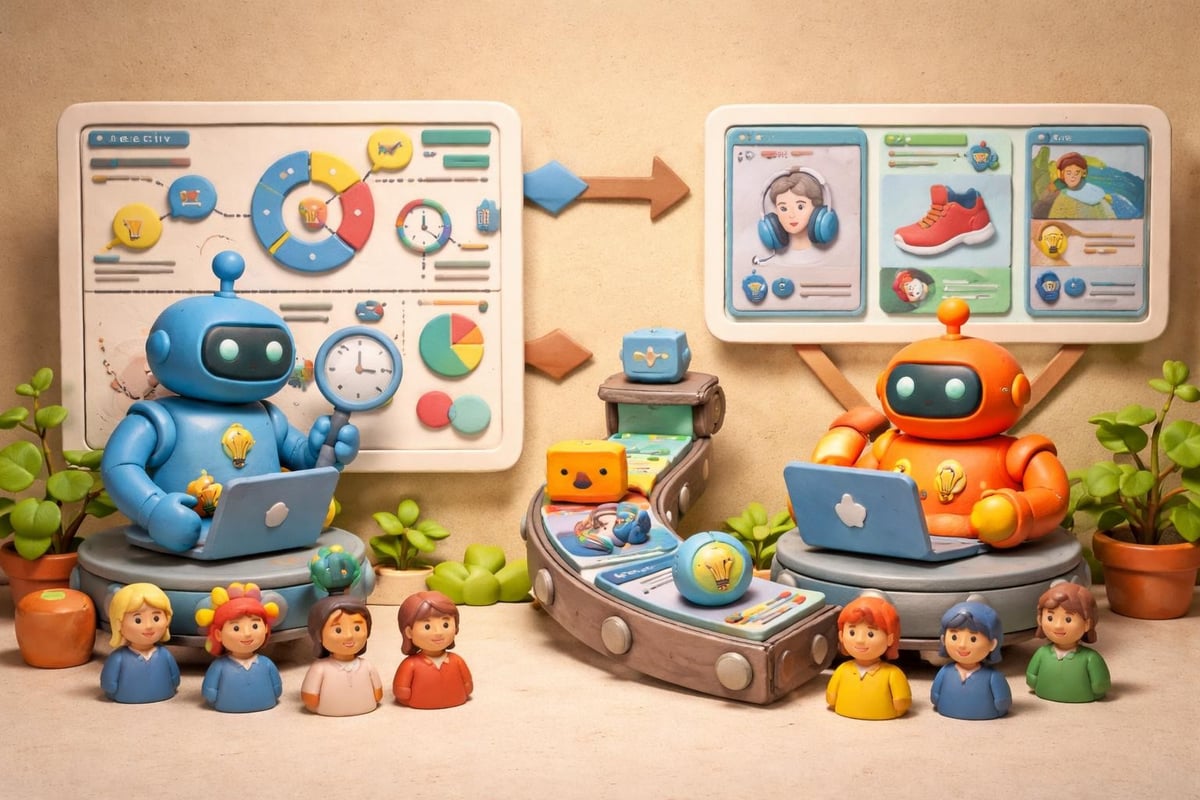
Demographic targeting is fading. Instead of showing ads to every woman aged 25-45 in Colorado Springs, AI finds users whose behavior signals they’re ready to buy. Less wasted spend, better conversion rates.
These platforms read search history, site visits, social engagement, purchase patterns, even time-of-day habits, then predict who will respond to which message. Hyper-targeted campaigns without weeks of manual audience research.
| Traditional Targeting | AI-Powered Targeting |
|---|---|
| Demographics only | Behavioral signals + demographics |
| Manual audience building | Automated lookalike modeling |
| Static segments | Dynamic audience updates |
| Broad reach, low relevance | Narrow reach, high relevance |
| Monthly optimization | Real-time adjustments |
For service businesses, that precision means cheaper customers. A plumbing company can target homeowners who just searched water heater info, visited competitor sites, and live in specific zip codes. Before ai and advertising converged, that was impossible.
Automated Campaign Optimization
Campaign management used to mean manual bid tweaks and weekly reviews. Now automated systems make thousands of micro-adjustments a day based on real-time results.
Smart bidding predicts conversion likelihood for every single auction, weighing device, location, time of day, and past behavior. It bids hard when the odds are good and saves your money when they’re not.
Real-Time Budget Allocation
Budgets shift on their own too. If one campaign produces leads at $30 and another at $75, the system moves money to the winner without asking.
Key optimization metrics AI systems monitor:
- Cost per acquisition (CPA)
- Return on ad spend (ROAS)
- Click-through rate (CTR)
- Conversion rate by segment
- Quality score and relevance ratings
The strategic implementation of digital marketing automation lets a small business owner compete without hiring a full-time campaign manager. AI runs the tactics; you steer strategy, creative, and business goals.
Content Generation at Scale
Generative AI rewired content production. What took copywriters and designers weeks now takes minutes: dozens of ad variations, tested against real audiences, winners identified before you commit real budget.
For Google Ads and Meta, AI tools produce headlines and descriptions that match your brand voice while drawing on past performance data. They know which phrases earn clicks and which calls-to-action convert.
But authentic brand messaging still matters still matters. Use AI for volume and testing; keep a human on messaging, positioning, and creative direction. Generic AI copy flops because it doesn’t know your customers’ actual pain points.
Platform-Specific AI Capabilities
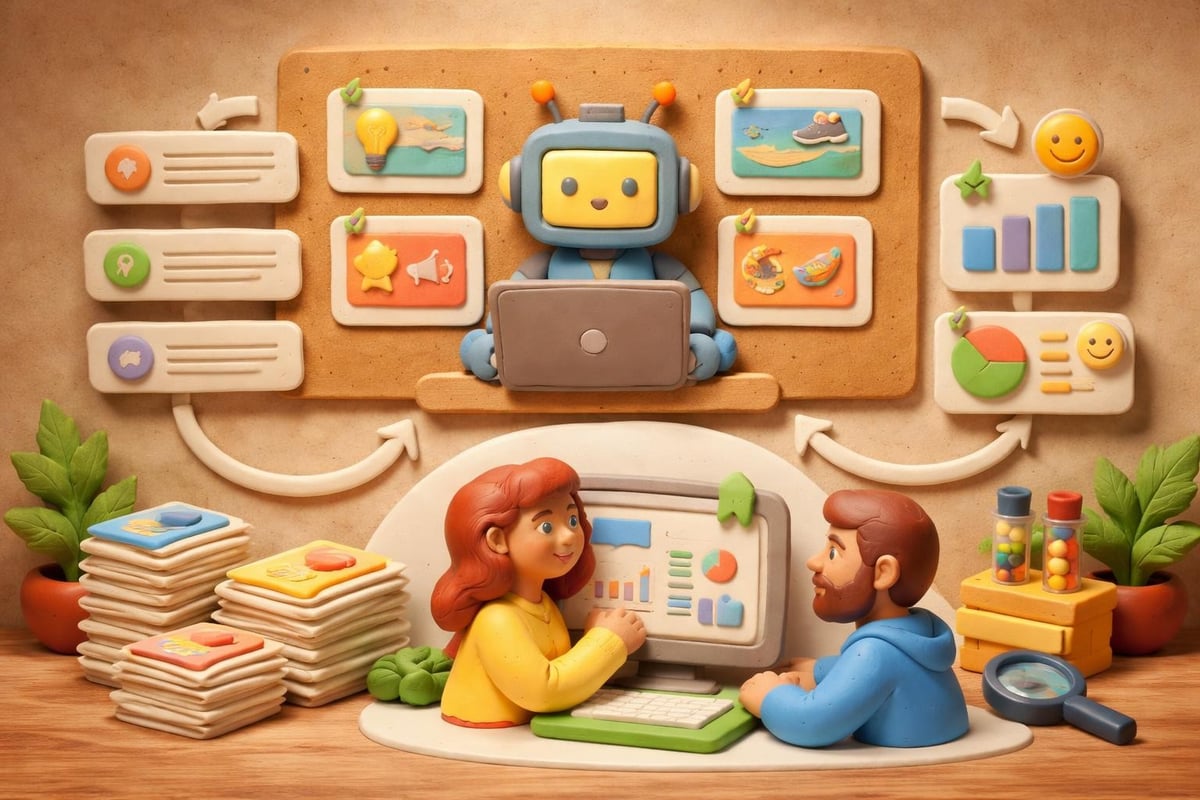
Each platform has its own AI flavor, and knowing the differences helps you pick the right tool for the job.
Google Ads AI Features
Google runs machine learning across search, display, YouTube, and Shopping. Performance Max takes your assets and builds thousands of ad combinations, testing each against different audiences across every Google property.
Responsive Search Ads work similarly: you supply multiple headlines and descriptions, Google’s AI finds the winning combos per query. It beats static ads handily, especially for businesses with varied services.
Google is also Google using AI to combat malicious advertising, which protects legitimate advertisers from fraud and keeps the ecosystem trustworthy.
Meta Advertising Intelligence
Meta leans on Advantage+ campaigns that automate targeting, creative, and budget across Facebook and Instagram. Its AI spots high-intent prospects even before they’ve shown explicit interest in your category.
Dynamic creative optimization assembles your images, videos, and copy into a personalized ad for each viewer. Video people get video. Carousel clickers get carousels.
For businesses running Meta Ads campaigns, this automation has cut cost-per-lead by 20-40% versus manual structures, provided conversion tracking is set up right.
Data Analysis and Attribution
Which marketing actually drives revenue? AI attribution answers that by tracking customer journeys across every touchpoint and assigning credit where it’s due, instead of dumping it all on the last click.
These systems follow a prospect from first impression through conversion: organic visits, ad clicks, social engagement, email opens, return visits. The algorithm figures out which combination reliably produces customers for your business.
| Attribution Model | AI Enhancement |
|---|---|
| Last-click | Predictive journey mapping |
| First-click | Channel contribution weighting |
| Linear | Time-decay modeling |
| Position-based | Custom conversion paths |
That insight lets digital advertisers fund what actually earns, not what looks busy. Three Facebook ads, a Google click, two site visits, and an email sequence might all contribute to one sale. Attribution shows you which mattered.
Predictive Lead Scoring
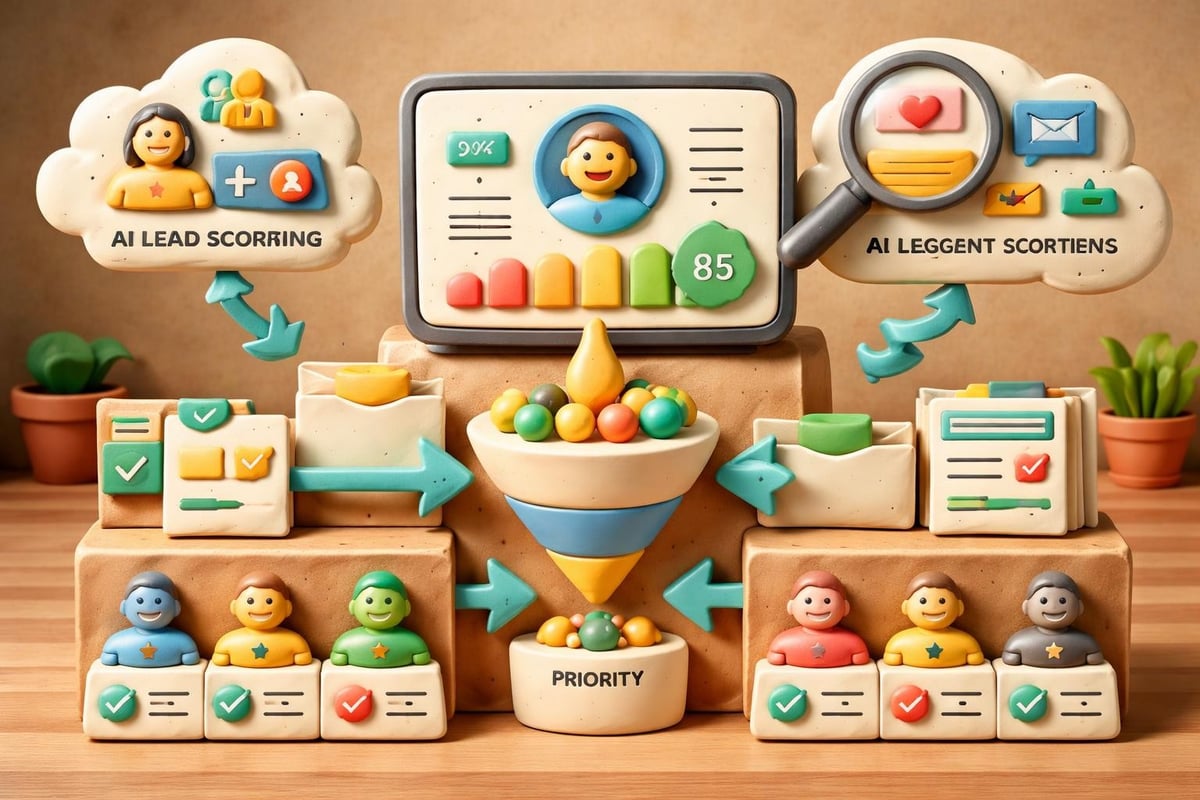
Leads aren’t equal. AI lead scoring predicts conversion probability before anyone picks up the phone, so your follow-up energy goes where it pays.
Scoring models consider dozens of factors including:
- Engagement signals: Pages visited, time on site, content downloaded
- Demographic fit: Company size, industry, location, job title
- Behavioral patterns: Return visits, email opens, ad interactions
- Historical data: Similarity to past customers who converted
Wired into your CRM, scoring triggers the right workflow automatically: hot leads get a call now, warm leads enter nurture sequences, cold leads get educational content until they warm up.
Voice and Conversational Advertising
Voice search changed the input. People ask questions instead of typing keywords, and AI interprets the intent to serve relevant ads.
Smart speaker ads favor local service businesses, since so many voice searches include “near me.” Ask your device for a plumber and AI ranks advertisers by location, reviews, availability, and bid.
Conversational ads on Messenger and WhatsApp use chatbots to qualify prospects, answer questions, and book appointments with no human involved, then route the qualified ones to your calendar.
Privacy-First Advertising Intelligence
Privacy rules are tightening and third-party cookies are dying, so ai and advertising tools are adapting: keep the targeting precision, drop the individual tracking. Your first-party data just became your most valuable asset.
Cohort-based targeting groups similar users without following individuals around the web. AI reads patterns inside those privacy-safe groups. Google’s Privacy Sandbox is the flagship example.
Privacy-compliant AI strategies include:
- Contextual targeting based on page content rather than user tracking
- First-party data modeling to create lookalike audiences
- On-device AI that processes user data locally without transmitting it
- Aggregated learning that improves algorithms without exposing individual behavior
- Consent-based personalization with transparent data usage
All of this rewards businesses with owned channels. Email lists, SMS subscribers, and past customers get more valuable every time a third-party data source dries up.
Implementation Challenges and Solutions
Now for the honest part: implementation has real hurdles.
Data Quality Requirements
AI is only as good as your data. Broken conversion tracking, incomplete records, and messy naming conventions produce garbage results. Clean the pipes before you turn on the fancy features.
Most small businesses don’t have the technical infrastructure for this, and that’s fine. Working with specialists who understand both the technology and business applications bridges the gap without hiring a data scientist.
Budget and Scale Thresholds
There’s also a scale threshold. Campaigns under roughly $500 to $1,000 a month often can’t generate enough conversions for the algorithm to learn.
The fix: concentrate. One well-defined conversion goal beats spreading thin budget across awareness, engagement, and sales all at once.
Creative Authenticity Balance
And watch the creative. AI is great at variations, bad at differentiation. Lean on it too hard and your ads blend into the noise.
Strategic approaches to branding and marketing still need a human: defining what makes you different, naming the customer’s real problem, telling a story worth hearing. AI amplifies the message. It doesn’t invent one worth amplifying.
Measuring AI Advertising ROI
Measuring AI advertising ROI means tracking revenue impact and efficiency gains together, not just cost per click.
Performance Metrics That Matter
Optimize toward business outcomes. Impressions and clicks mean nothing without revenue, and the AI will chase whatever goal you give it, so pick the right one.
Primary success indicators:
- Customer acquisition cost (CAC)
- Customer lifetime value (CLV)
- Revenue per ad dollar (ROAS)
- Lead-to-customer conversion rate
- Time to conversion
Secondary efficiency metrics:
- Manual hours saved through automation
- Test velocity (how many variations tested monthly)
- Audience expansion rate
- Cross-channel attribution accuracy
For service businesses, booked appointments and show-up rates matter more than form fills. AI-powered scheduling and follow-up systems make sure leads become actual jobs instead of dying in a follow-up queue.
Competitive Advantages
The evolution of digital marketing keeps accelerating, and early adopters compound their lead. Every month of automated optimization widens the gap over competitors managing by hand.
Speed is the underrated benefit. Campaigns launch faster, tests run constantly, insights arrive in days. You can react to a competitor’s move or a seasonal spike while they’re still scheduling the meeting.
Industry-Specific Applications
How ai and advertising pays off depends on your business type.
Service businesses use predictive scheduling to fill slow periods: the AI reads booking patterns and pushes ads harder when the calendar has holes.
E-commerce runs dynamic product ads that show each shopper the items they’re most likely to buy, with catalog, pricing, and inventory updates handled automatically.
Local businesses win with location-based AI targeting that ramps up when prospects are physically nearby. Geo-fencing plus behavioral signals works beautifully for restaurants, retail, and service providers.
The Future Trajectory
Looking ahead, ai and advertising will only get more intertwined. A few shifts are already visible.
Multimodal AI that handles text, images, audio, and video together will generate complete campaign concepts instead of piecemeal assets.
Personalization will reach into pricing, offers, and recommendations, adjusting per viewer based on behavior, location, and predicted value.
According to industry analysis of AI’s advertising disruption, these technologies are rewriting business models and demanding marketers who can blend creative strategy with technical chops.
Cross-channel orchestration will coordinate search, social, display, email, and offline into one guided path instead of five campaigns elbowing each other.
Bottom line: AI gives small and mid-sized businesses targeting, optimization, and decision-making that used to belong to the big players. The winning combination is machine efficiency plus human judgment. If you want AI-powered advertising that produces qualified leads and measurable revenue for your Colorado business, Pioneer Marketing pairs advanced automation with local market expertise. Let’s build campaigns that actually deliver.