In 2026, online marketing digital trends are evolving at unprecedented speed. Are you prepared to adapt and excel in this new era?
This guide delivers the most effective strategies for digital success, drawing on the latest industry insights and real-world results. You will discover how to leverage digital transformation, master essential marketing channels, harness AI-driven tactics, create customer-centric content, and use analytics for measurable growth.
Did you know that 91% of consumers prefer brands that recognize and deliver relevant experiences? Yet, many businesses still fall short. By following these actionable strategies, you can bridge the gap, outperform competitors, and build a future-proof marketing plan for 2026.
The Digital Marketing Landscape in 2026: Trends and Challenges
The online marketing digital landscape in 2026 is defined by rapid innovation, shifting consumer behaviors, and the relentless pace of technological change. Marketers are navigating a world where every touchpoint, from mobile to voice search, demands attention and strategic adaptation.
Key Trends Shaping Online Marketing Digital in 2026
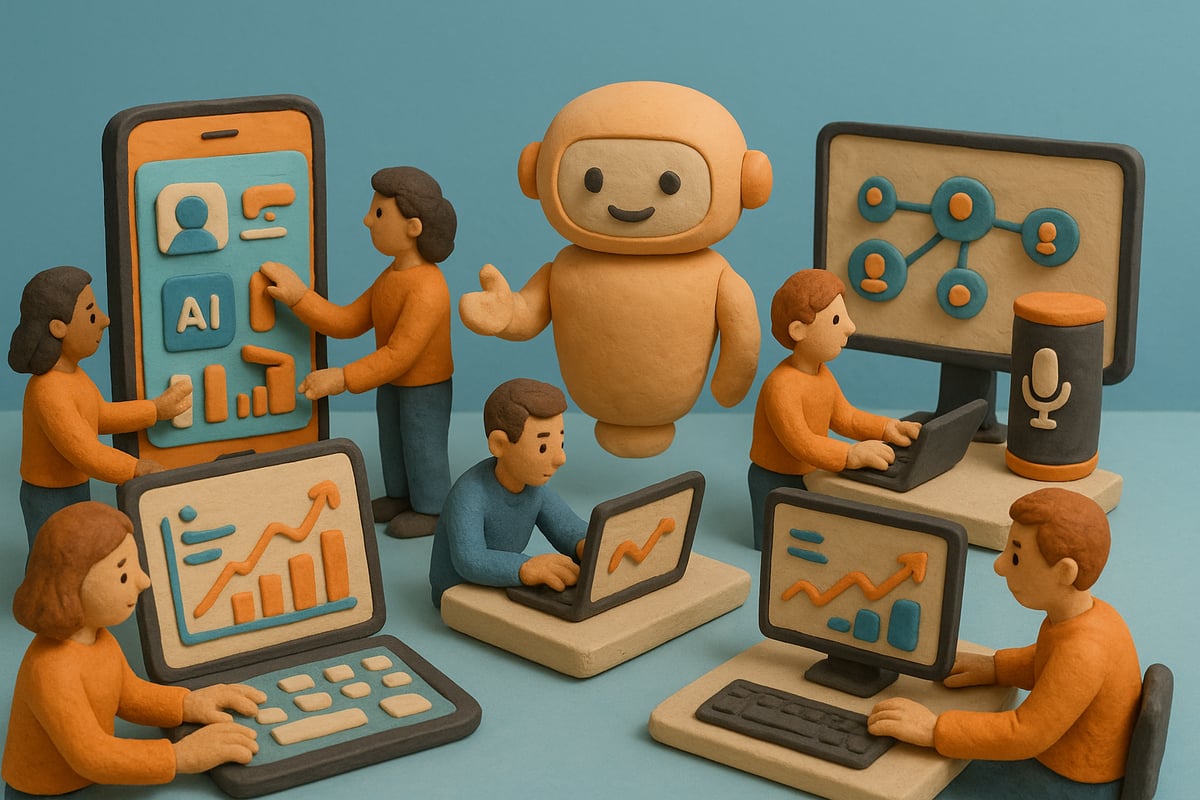
Several transformative trends are reshaping online marketing digital approaches. AI-powered personalization is now essential, enabling brands to deliver tailored content and offers at scale. Omnichannel integration ensures seamless experiences across devices and platforms, while voice and visual search are revolutionizing how consumers discover products and services. Privacy-driven marketing is also front and center, as consumers demand more control over their data. For a deeper dive into these evolving trends, refer to Digital marketing trends 2026.
Rising Expectations and the Experience Gap
Today’s consumers expect brands to recognize them and deliver relevant experiences at every stage. According to Accenture, 91% are more likely to shop with brands that remember their preferences. Yet, many organizations are struggling to meet these expectations, widening the gap between what customers want and what online marketing digital strategies deliver. Closing this gap is critical for sustained success.
Digital Transformation and Organizational Agility
Digital transformation is no longer optional. Integrating online marketing digital strategies with broader business objectives is vital for growth. Companies must foster cross-functional collaboration and embrace continuous learning to stay ahead. Agility is now a core competency, enabling marketers to pivot as technologies and consumer behaviors evolve.
Regulatory Changes, Data Privacy, and Real-World Innovation
Global regulations around data privacy, such as GDPR and CCPA, are becoming stricter, shaping how organizations collect and use consumer information. Ethical data practices and transparent communication are essential for building trust in online marketing digital initiatives. Industry leaders are leveraging mobile-first strategies and emerging technologies like AI chatbots and augmented reality to create value and drive engagement, setting new standards for digital excellence.
In summary, the online marketing digital environment of 2026 demands innovation, customer-centricity, and a proactive approach to change. Marketers who embrace these trends and challenges will be best positioned to deliver measurable, future-proof results.
Building a Future-Proof Digital Marketing Strategy
The landscape of online marketing digital is rapidly transforming. To succeed in 2026, brands must adopt a forward-thinking approach that adapts to evolving technology, shifting consumer behaviors, and competitive pressures. A future-proof strategy ensures your business remains agile and resilient, no matter what changes the digital world brings.
Understanding Your Audience and Customer Journey
A successful online marketing digital strategy begins with a deep understanding of your audience and their journey. Today’s customers interact with brands across multiple digital touchpoints, from search and social to email and mobile apps. Mapping this journey allows you to identify key moments where your brand can deliver value.
Use data and analytics to segment your audience by behaviors, preferences, and needs. This enables targeted messaging and personalized experiences that increase engagement and conversion rates. Customer value frameworks, such as RFM analysis (Recency, Frequency, Monetary), help prioritize high-value segments and tailor strategies accordingly.
Personalization remains central. Brands leveraging experimentation and analytics are able to innovate their customer experiences, testing new approaches and refining them based on real feedback. By keeping the online marketing digital process customer-centric, you unlock opportunities for strategic innovation and growth.
For foundational insights on creating an effective digital strategy, you can Learn about digital marketing to further enhance your approach.
Setting Measurable Goals and KPIs
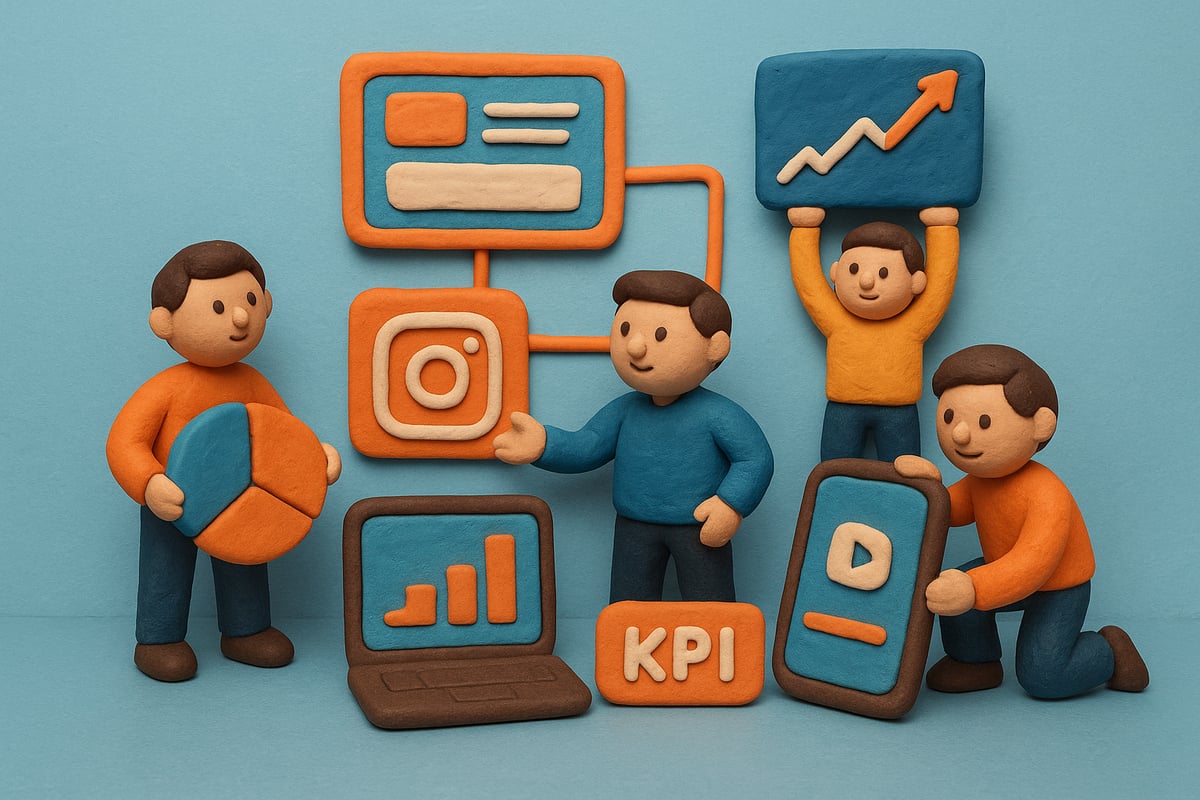
Establishing clear, measurable objectives is vital for online marketing digital success. Start by aligning your marketing goals with broader business objectives, such as revenue growth, customer retention, or market expansion. Use the SMART framework, Specific, Measurable, Achievable, Relevant, Time-bound, to ensure each goal is actionable.
Select KPIs tailored to your primary channels. For example, track organic traffic and keyword rankings for SEO, cost per acquisition for paid media, and engagement metrics for social campaigns. Real-time dashboards enable you to monitor performance and make timely adjustments.
Attribution models help you understand which channels contribute most to conversions, providing a clearer view of ROI. Brands that set data-driven goals and continuously track progress are best positioned to optimize their online marketing digital efforts and achieve sustained growth.
Measurable goals also foster accountability within teams. When everyone understands what success looks like, it becomes easier to prioritize tasks, allocate resources, and drive meaningful results.
Integrating Digital Channels for Maximum Impact
Integration is the cornerstone of a resilient online marketing digital strategy. An omnichannel approach aligns your paid, owned, and earned media, delivering a consistent experience to customers wherever they engage. This unified messaging builds trust and strengthens your brand presence.
Cross-channel data sharing enhances personalization, allowing you to tailor content and offers based on user behavior across platforms. Overcoming organizational silos is essential, encourage collaboration between teams to streamline campaigns and maximize efficiency.
Businesses that integrate their online marketing digital activities see higher ROI and improved customer satisfaction. For example, coordinated campaigns that combine SEO, paid ads, and social media can guide consumers seamlessly from discovery to conversion.
Integration not only boosts performance but also future-proofs your marketing. As new channels and technologies emerge, a cohesive strategy ensures your brand can adapt quickly and stay ahead of shifting trends.
Core Online Marketing Channels and Tactics for 2026
The core online marketing digital channels are transforming rapidly as we approach 2026. Marketers must adapt to changing algorithms, smarter search, and evolving consumer behavior. Successful campaigns now depend on combining technology, creativity, and data-driven insights. In this section, we explore the most effective channels and tactics shaping online marketing digital strategies for the future.
Search Engine Optimization (SEO) and Voice Search
SEO remains at the forefront of online marketing digital success in 2026. Semantic search and artificial intelligence now drive search engine algorithms, making intent and context more important than ever. Marketers must optimize for zero-click results, ensuring their content delivers value even when users do not visit their site directly.
Voice and visual search have become mainstream. Consumers use smart speakers and image-based queries to find answers instantly. To stay competitive, businesses invest in optimizing Google Business Profiles, targeting local keywords, and using structured data for rich results.
For example, local service providers leveraging advanced SEO and voice optimization are experiencing significant increases in qualified leads. According to recent data, local SEO remains a critical channel for service-based industries, helping them stand out in a crowded online marketing digital landscape.
Paid Media: Google Ads, Meta, and Emerging Platforms
Paid media is evolving with AI-powered bidding, advanced targeting, and creative automation. Google Ads, Meta, and emerging platforms like TikTok offer marketers the ability to reach the right audience at the right time. AI-driven insights help optimize campaigns for maximum efficiency and ROI.
Selecting the right platform is essential. Marketers analyze audience behaviors and segment campaigns to align with user intent. Companies deploying paid media strategies across the customer journey are capturing attention at key decision points and driving scalable lead generation.
According to the 2026 Digital Advertising Trends Report, brands investing in cross-channel video and measurement tools are achieving stronger results. Paid media will remain a pillar of online marketing digital growth as automation and targeting become even more sophisticated.
Social Media Marketing: Engagement and Community Building
Social media continues to play a pivotal role in online marketing digital. In 2026, platforms like Instagram, TikTok, and Snapchat are evolving with new formats and algorithms that prioritize authentic engagement. Brands are building communities, not just audiences.
Social listening tools enable marketers to monitor conversations, identify trends, and partner with influencers who drive real value. User-generated content (UGC) is increasingly powerful for building trust and credibility.
Leading brands leverage social media to promote campaigns, gather feedback, and foster loyalty. Social remains vital for top-of-funnel awareness and sustained engagement, making it indispensable in an online marketing digital strategy.
Content Marketing and Storytelling
Content marketing is shifting toward value-driven, interactive experiences. Video, live streaming, podcasts, and immersive formats capture attention and drive deeper engagement. Personalization, powered by AI and audience data, ensures that content resonates at every stage of the customer journey.
Brands are using storytelling to guide consumers from discovery to conversion. Interactive tools, quizzes, and dynamic landing pages are becoming standard. For example, companies that embrace content marketing as a core online marketing digital tactic see higher engagement rates and increased conversions.
Content serves as the bridge between discovery and action, helping brands differentiate themselves in a saturated market. Prioritizing relevance and interactivity is key to success in 2026.
Mobile and Emerging Technologies
Mobile-first strategies are now the foundation of online marketing digital. Consumers expect seamless experiences across devices, and brands are responding with optimized apps and responsive web design. Emerging technologies like AR, VR, chatbots, and IoT are enhancing customer engagement.
For example, companies deploying AR-powered product previews or chatbot-driven support are seeing increased satisfaction and loyalty. Mobile and emerging tech allow marketers to deliver value and convenience, meeting customers where they are.
As these innovations continue to evolve, mobile will remain central to any future-proof online marketing digital strategy.
Leveraging Data, Analytics, and AI for Marketing Success
In the fast-moving world of online marketing digital, data, analytics, and AI are the engines behind measurable growth. Marketers who harness these tools can turn raw information into actionable insights, delivering targeted experiences that build trust and loyalty. As we approach 2026, success depends on a strategy that is both data-driven and ethically sound.
Harnessing Analytics and Experimentation
Analytics are at the heart of every successful online marketing digital campaign in 2026. Marketers rely on real-time data from web analytics, CRM systems, and social listening tools to uncover opportunities and optimize each touchpoint. By breaking down the customer journey into measurable steps, businesses can identify what works, what does not, and where resources should be allocated.
A/B testing is now a standard practice. Marketers run experiments on landing pages, ads, and email subject lines to see which versions drive better engagement or conversions. This culture of experimentation fuels innovation and helps teams adapt quickly to changing consumer behaviors.
Consider the power of a simple table to summarize campaign performance:
| Campaign | Click-Through Rate | Conversion Rate | ROI |
|---|---|---|---|
| Email A/B Test | 5.2% | 3.1% | 220% |
| Social Ad | 4.6% | 2.8% | 180% |
| Landing Page | 6.0% | 3.5% | 250% |
In online marketing digital, analytics transform guesswork into evidence-based action. Teams that consistently test and measure outperform those that rely on intuition alone.
AI-Driven Personalization and Automation
AI is reshaping online marketing digital by enabling predictive analytics, dynamic content, and automated workflows. Brands use machine learning to forecast trends, segment audiences, and deliver personalized experiences at scale, all while reducing manual work and missed opportunities.
Personalization is no longer a luxury. AI tools tailor recommendations, messages, and offers based on real-time behavior and historical data. For example, automated chatbots now provide instant support, while predictive models trigger timely follow-ups to boost conversion rates.
For a deeper understanding of how AI advances these strategies, explore AI-Powered Personalization in Digital Marketing, which highlights how advanced analytics and machine learning craft highly targeted campaigns.
Automation frees up marketers to focus on strategy and creativity. In online marketing digital, companies that embrace AI-powered tools see higher efficiency, improved customer satisfaction, and better ROI.
Data Privacy, Ethics, and Compliance
As online marketing digital evolves, so do regulations and consumer expectations around privacy. Marketers must navigate laws like GDPR and CCPA, ensuring all data collection and use are transparent and ethical.
Building trust is essential. Companies that prioritize privacy and compliance not only avoid fines but also gain a competitive edge. They foster long-term relationships by being clear about how data is used and by respecting customer preferences.
A commitment to ethical data practices is now a core part of any online marketing digital strategy. In 2026, brands that balance personalization with privacy will stand out and earn lasting loyalty.
Creating Customer-Centric Experiences Across the Funnel
Delivering exceptional customer experiences is at the heart of every successful online marketing digital strategy. As consumer expectations rise, brands must create seamless journeys that prioritize relevance, trust, and engagement across every touchpoint.
Mapping and Optimizing the Customer Journey
Understanding the modern customer journey is essential for effective online marketing digital outcomes. Consumers interact with brands through multiple digital touchpoints, from initial awareness to post-purchase loyalty.
Begin by identifying each stage of the journey:
- Awareness: Social media, search engines, online ads
- Consideration: Website visits, product comparisons, reviews
- Purchase: E-commerce platforms, checkout pages
- Loyalty: Email follow-ups, support, loyalty programs
Use analytics to pinpoint pain points and opportunities at each step. Mapping these touchpoints helps brands deliver relevant content and offers, increasing engagement and conversion.
Marketing automation streamlines nurturing, ensuring prospects receive timely communications based on their behavior. Companies leveraging owned media and CRM systems can tailor experiences, guiding users smoothly through the funnel.
Optimizing the journey is a continuous process. Regularly update personas and journey maps as consumer preferences shift, keeping your online marketing digital strategy agile and effective.
Value Creation Through Personalization and Engagement
Personalization is a core driver of value in online marketing digital strategies. Delivering tailored recommendations, dynamic messaging, and relevant offers shows customers they are understood and valued.
Engage users through interactive experiences, such as quizzes, configurators, and real-time chat. These tools boost participation and deepen relationships. AI-powered personalization enables brands to respond instantly to user signals, driving higher conversion rates.
According to a recent AI Personalization and Consumer Trust Study, consumers are more likely to trust and remain loyal to brands that use AI to deliver relevant, individualized experiences.
Real-time engagement is key. Brands that interact with customers at critical moments foster loyalty and set themselves apart from competitors. Consistent, meaningful engagement elevates the customer experience and maximizes lifetime value.
Measuring and Improving Customer Satisfaction
To sustain growth in online marketing digital, measuring customer satisfaction is non-negotiable. Collect feedback at every stage using surveys, Net Promoter Score (NPS), and social sentiment analysis.
Key metrics to monitor include:
- NPS: Gauges overall loyalty and likelihood to recommend
- Customer reviews: Highlights strengths and improvement areas
- Social listening: Uncovers emerging trends and concerns
Act on insights by refining strategies and addressing pain points quickly. Companies that continuously improve based on satisfaction data see higher retention and stronger advocacy. Happy customers become powerful promoters, fueling organic growth.
Step-by-Step Guide to Implementing Your 2026 Digital Marketing Plan
Ready to put your online marketing digital plan into action for 2026? This step-by-step guide breaks down the process into five essential phases. By following each step, you will set a strong foundation for achieving measurable results, adapting to changes, and outperforming your competition in the evolving digital landscape.
Step 1: Audit Your Current Digital Presence
Before launching your online marketing digital strategy, conduct a thorough audit of your current assets. Assess your website for user experience, SEO performance, and mobile responsiveness. Review your social media profiles, content quality, and paid campaigns to identify strengths and gaps.
Use tools such as Google Analytics, SEMrush, and social listening platforms to gather data. Create a checklist to evaluate key areas:
- Website speed and security
- Keyword rankings
- Social engagement rates
- Paid ad performance
For small businesses, leveraging guides like digital marketing for small business can help set a baseline for growth and ensure no critical element is overlooked.
Step 2: Define Audience Personas and Journey Maps
Understanding your audience is the cornerstone of online marketing digital success. Create detailed personas using customer data, surveys, and market research. Map out each persona’s journey to uncover decision points and content needs.
Consider these steps:
- Segment customers by demographics and behaviors
- Identify pain points and motivations
- Align messaging and offers to each stage of the journey
Visual journey maps help teams stay aligned and tailor campaigns. By personalizing every touchpoint, you increase relevance and drive better engagement throughout the funnel.
Step 3: Set SMART Goals and Allocate Resources
Set clear objectives for your online marketing digital plan using the SMART framework: Specific, Measurable, Achievable, Relevant, and Time-bound. Assign budgets, select marketing channels, and define responsibilities for each team member.
| Goal Type | Example KPI | Owner | Deadline |
|---|---|---|---|
| SEO | Increase traffic by 20% | SEO Lead | Q2 2026 |
| Paid Media | Reduce CPA by 15% | Paid Team | Q3 2026 |
| Social | Grow followers by 30% | Social Lead | Q4 2026 |
Structured planning enables accountability and maximizes ROI, keeping your team focused and efficient.
Step 4: Launch Integrated Campaigns Across Channels
Combine SEO, paid media, content, and social marketing for a unified online marketing digital approach. Consistent messaging and branding across platforms ensure seamless customer experiences.
Coordinate campaign calendars, leverage automation for efficiency, and use cross-channel data to refine targeting. Advanced tactics such as AI-driven personalization and workflow automation can be explored further in resources like Automation in digital marketing.
Integrated campaigns help you reach audiences at every stage, increasing impact and driving results.
Step 5: Monitor, Analyze, and Optimize Continuously
Success in online marketing digital requires ongoing analysis and adaptation. Track KPIs in real time using dashboards and analytics tools. Identify trends, test new ideas, and optimize campaigns based on performance data.
Implement regular reporting cycles:
- Weekly performance reviews
- Monthly strategy adjustments
- Quarterly deep-dive audits
Stay agile and informed by following industry trends and leveraging AI advancements, as highlighted in AI in Digital Marketing: Trends and Predictions for 2025. Continuous improvement ensures your strategy remains future-proof and competitive.
Preparing Your Organization for Digital Transformation
Adapting to the future of online marketing digital success requires organizations to embrace transformation at every level. Preparing your company for this journey means fostering innovation, aligning your strategy with business goals, investing in the right resources, and staying ahead of regulatory changes. Each of these pillars is essential for a resilient and growth-oriented marketing approach.
Fostering a Culture of Innovation and Learning
To thrive in the online marketing digital landscape, organizations must encourage a culture where innovation and continuous learning are core values. This involves promoting experimentation, supporting ongoing training, and rewarding creative problem-solving. Cross-functional collaboration is another key, breaking down barriers between teams to spark new ideas.
Consider these steps:
- Offer regular digital marketing workshops and certifications.
- Create dedicated time for brainstorming and testing new tactics.
- Celebrate both successful innovations and lessons learned from failures.
Organizations that prioritize these behaviors adapt quicker to market shifts and set the stage for long-term digital growth.
Aligning Marketing with Business Objectives
For online marketing digital efforts to drive real impact, marketing must be fully integrated with broader business goals. This means involving marketing leaders in strategic planning and ensuring campaigns support overall company direction. Breaking down silos is vital for unified growth.
Key actions include:
- Regular meetings between marketing and executive teams.
- Shared dashboards to monitor progress toward business KPIs.
- Using marketing data to inform companywide decisions.
When alignment is achieved, organizations maximize ROI and create synergy across all functions, fueling sustainable advancement.
Investing in the Right Tools and Talent
Selecting the right technology and building strong teams are foundational to online marketing digital transformation. Modern platforms for analytics, automation, and CRM streamline operations and provide actionable insights. Equally important is hiring or upskilling talent with digital, creative, and analytical expertise.
Consider this comparison:
| Resource Type | Benefit | Example Tools/Skills |
|---|---|---|
| Analytics | Data-driven decisions | Google Analytics, Power BI |
| Automation | Efficiency and scalability | HubSpot, Zapier |
| Talent | Innovative problem-solving | SEO, data science, UX |
Strategic investments here give organizations a measurable competitive edge.
Navigating Regulatory and Industry Changes
The online marketing digital environment is shaped by evolving regulations and industry trends. Staying compliant with data privacy laws like GDPR and CCPA is non-negotiable. Marketers must also monitor shifts in consumer behavior and adapt quickly to maintain relevance.
Best practices:
- Stay updated on new marketing regulations through trusted sources.
- Regularly review and update privacy policies.
- Train staff on compliance and ethical data use.
Brands that proactively address these changes build trust and secure long-term success in a dynamic market.
As you look to apply these strategies and future-proof your digital marketing for 2026, remember that real growth comes from actionable insights and expert support. Whether you want to boost your local search visibility or automate your lead generation with AI, partnering with a team that understands the evolving landscape can make all the difference. If you’re ready to see how targeted digital strategies and automation can help you attract and convert more leads, I invite you to See How We Generate More Leads. Let’s take your business to the next level together.