The digital marketing landscape is evolving at a pace never seen before, promising even greater opportunities in 2026. As businesses strive to stay ahead, it is crucial to learn about digital marketing and how it can drive measurable growth.
This essential guide will help you understand the core concepts, current trends, and strategic steps needed for success. We will explore vital digital channels, the impact of AI and automation, and practical actions for implementation.
Digital marketing is growing rapidly, opening doors to innovative strategies and higher returns. Ready to unlock actionable insights? Dive into this guide and start your journey to digital marketing mastery.
Understanding Digital Marketing: Core Concepts & Foundations
Digital marketing is redefining how brands connect, engage, and grow in the digital era. If you want to learn about digital marketing, it starts with understanding its core principles and the diverse channels available today.
What is Digital Marketing? Definitions & Scope
To learn about digital marketing, begin with its definition: it is the strategic use of online channels to promote products, services, or brands to target audiences. Unlike traditional marketing, which relies on print, radio, or TV, digital marketing leverages platforms like websites, social media, email, search engines, and mobile apps.
The omnichannel approach is essential in modern digital marketing. Brands reach customers through multiple touchpoints, ensuring consistent messaging across web, social, email, and mobile. The customer journey is now non-linear, involving research, engagement, decision, and loyalty stages, all influenced by digital touchpoints.
Digital marketing offers measurable ROI that outpaces offline efforts. For example, Statista forecasts global digital ad spend will reach $836 billion by 2026. Brands such as Nike and Airbnb have executed campaigns integrating social, influencer, and content marketing, resulting in viral growth and increased sales.
To truly learn about digital marketing, recognize its ability to connect with audiences at every stage of their journey, adapting to their needs in real time.
Key Components of Digital Marketing
Anyone looking to learn about digital marketing must understand its main components:
- Content Marketing: Engaging blogs, videos, and infographics educate and inspire.
- Search Engine Optimization (SEO): Optimizes visibility on search engines, including local SEO for nearby customers.
- Social Media Marketing: Builds communities and leverages influencers to extend reach.
- Paid Advertising: Includes pay-per-click, display ads, and retargeting to drive targeted traffic.
- Email Marketing: Delivers personalized messages and automates follow-up.
- Analytics: Drives data-informed decisions for continuous improvement.
For deeper insights into these elements, explore core digital marketing strategies that shape successful campaigns.
Each component works together, creating a cohesive digital presence. Personalization, automation, and data-driven approaches are now standard, allowing brands to refine their strategies and maximize impact. As you learn about digital marketing, focus on integrating these areas for effective, measurable results.
Digital Marketing vs. Traditional Marketing
Comparing digital marketing to traditional marketing reveals clear advantages for the digital approach. Digital marketing costs 62% less per lead than traditional methods, according to Demand Metric. Consider this comparison:
| Factor | Digital Marketing | Traditional Marketing |
|---|---|---|
| Cost per Lead | Lower | Higher |
| Targeting | Highly specific | Broad or generalized |
| Tracking | Real-time analytics | Delayed or manual |
| Flexibility | Easy to adjust | Static once published |
Small businesses, for example, have achieved rapid growth by shifting budgets from print ads to targeted social and search campaigns. With digital, they can track every click and conversion, optimizing for better results.
To learn about digital marketing is to embrace its flexibility, cost-effectiveness, and real-time insights, making it the foundation of modern business growth.
The Digital Marketing Landscape in 2026: Trends & Transformations
The digital marketing landscape is transforming at an unprecedented pace. To truly learn about digital marketing in 2026, it is essential to understand the trends that are reshaping how brands connect with audiences. From AI-driven innovation to evolving consumer expectations, each development brings new opportunities and challenges.
The Rise of AI and Machine Learning
AI and machine learning are revolutionizing the way organizations learn about digital marketing. AI now powers advanced personalization, allowing brands to tailor content and offers to individual preferences in real time. Chatbots and AI voice agents deliver instant customer service, while predictive analytics help marketers optimize campaigns for better results.
For instance, e-commerce brands use AI to recommend products based on browsing habits and purchase history. AI-driven automation also streamlines ad targeting and budget allocation, maximizing ROI. According to the 2026 Digital Marketing Trends Report, 94% of marketers are investing in AI to drive efficiency and impact.
Privacy, Data, and Regulation
As more consumers learn about digital marketing, privacy has become a top concern. Evolving regulations such as GDPR and CCPA are shaping how brands collect and use data. In 2026, marketers rely heavily on first-party data and transparent practices to build trust.
Brands must adopt cookie-less tracking methods and prioritize consumer consent. A Salesforce study found that 79% of consumers are more likely to trust brands with clear data practices. Staying compliant is not just about legal requirements, but also about fostering long-term customer loyalty.
Video Marketing and Interactive Content
Video content continues to dominate as consumers learn about digital marketing through engaging formats. Short-form videos on platforms like TikTok, Instagram Reels, and YouTube Shorts capture attention quickly. Live streaming and virtual events are mainstream, enabling brands to interact directly with audiences.
Interactive ads and AR/VR experiences add new layers of engagement. Brands use AR filters for product demos, making digital experiences memorable and shareable. This shift to immersive content is redefining how marketers approach storytelling and brand awareness.
Voice Search and Conversational Marketing
Voice technology is changing the way people learn about digital marketing and interact with brands. By 2026, it is predicted that 50% of all searches will be voice-based. As a result, optimizing content for natural language and conversational queries is critical.
Smart assistants and voice commerce are now part of everyday life. Marketers must ensure their websites and ads are voice-search friendly, using structured data and clear, concise answers. Brands that master conversational marketing will stand out in this new search landscape.
The Evolving Role of Social Media
Social media platforms are no longer just places to share updates, they are vital spaces for consumers to learn about digital marketing trends and interact with brands. The rise of niche platforms and micro-communities allows marketers to target specific interests and demographics more effectively.
Social commerce, including in-app purchases, is seamlessly integrated into user experiences. Authenticity remains a key driver, with influencer marketing focusing on genuine partnerships and transparent messaging. Managing online communities and encouraging user-generated content are essential tactics.
Sustainability and Ethical Marketing
Today’s consumers expect brands to be socially responsible as they learn about digital marketing best practices. Sustainability is a core value, with demand growing for eco-friendly products and ethical business models.
Transparency in sourcing, production, and messaging is essential. Brands leverage sustainability in campaigns, highlighting their commitment to ethical practices. This focus on values-driven marketing is shaping brand reputation and customer loyalty in 2026.
Developing a Winning Digital Marketing Strategy: Step-by-Step Guide
Building a successful strategy is essential if you want to learn about digital marketing and achieve real results in 2026. This step-by-step guide breaks down the process, ensuring your approach is structured, measurable, and adaptable. Follow these seven steps to create a digital marketing plan that delivers impact.
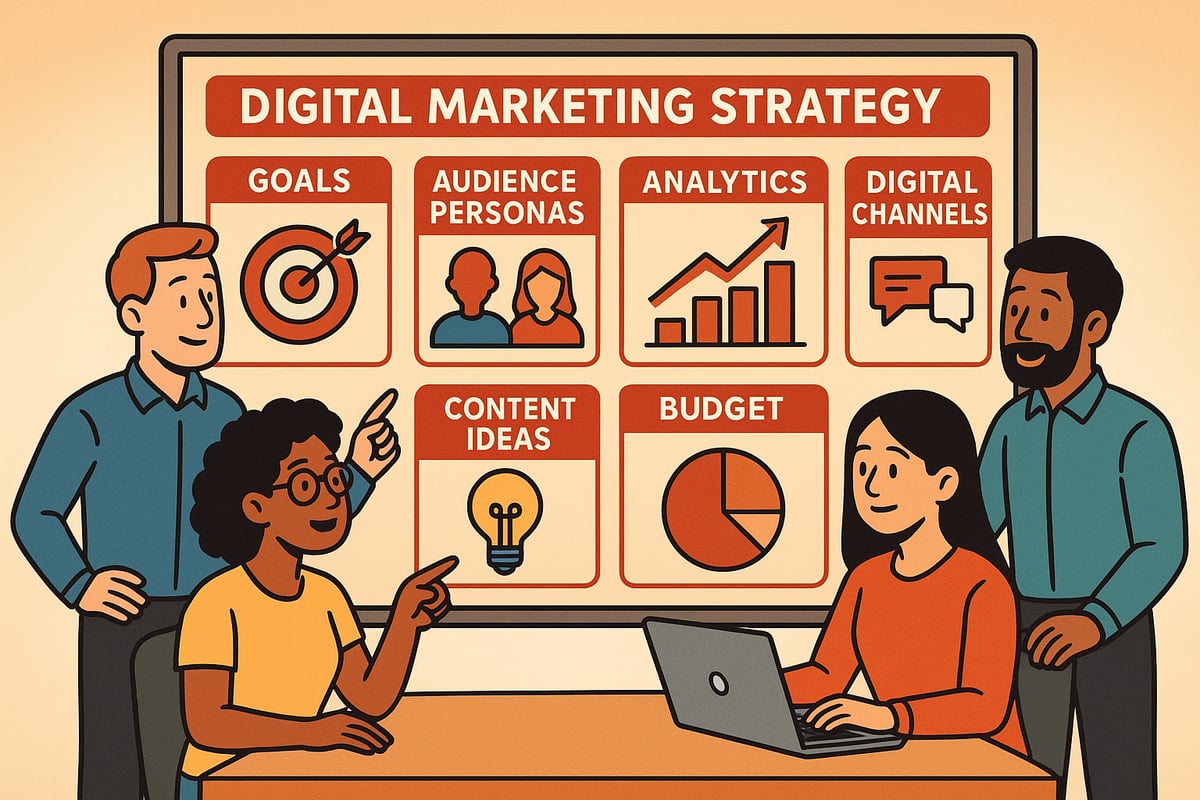
Step 1: Define Clear Goals and KPIs
Start by clarifying what you want to achieve as you learn about digital marketing. Set SMART goals—Specific, Measurable, Achievable, Relevant, and Time-bound—that align with your business objectives.
Examples of digital marketing goals include:
- Generating qualified leads
- Increasing online sales
- Boosting brand awareness
- Improving customer retention
Choose key performance indicators (KPIs) for each goal, such as website traffic, conversion rates, or email open rates. Clear goals and KPIs provide direction and a way to measure success.
Step 2: Understand Your Audience
To learn about digital marketing effectively, you must know your target audience inside out. Create detailed buyer personas using demographic data (age, location, income) and psychographic insights (interests, motivations, pain points).
Leverage analytics tools to uncover who visits your site, how they interact, and what content resonates. Map the customer journey to identify touchpoints and potential barriers. This ensures your messaging and campaigns are tailored for maximum impact.
Step 3: Competitor and Market Analysis
Analyzing your competition is vital when you learn about digital marketing. Conduct a SWOT analysis—Strengths, Weaknesses, Opportunities, Threats—to understand your digital position.
Use tools like SEMrush or Ahrefs to research competitors’ keywords, backlinks, and content performance. Identify gaps in the market or emerging trends you can capitalize on. This analysis helps you make informed decisions and stay ahead in your industry.
Step 4: Select the Right Digital Channels
Choosing the most effective channels is crucial as you learn about digital marketing. Evaluate where your audience spends time—social media, search engines, email, or niche platforms.
Decide between organic strategies (SEO, content marketing) and paid approaches (PPC, display ads). Often, a mix of both yields the best results. Integrate all channels for a consistent, omnichannel experience that reinforces your brand message at every touchpoint.
Step 5: Craft Compelling Content & Messaging
Content is the heart of your strategy when you learn about digital marketing. Develop a content plan with diverse formats—blogs, videos, infographics, podcasts—based on your audience’s preferences.
Personalize your messaging and use storytelling techniques to foster engagement. According to HubSpot, personalized content delivers six times higher conversion rates. Plan your content calendar to maintain consistency and relevance throughout the year.
Step 6: Budgeting and Resource Allocation
Allocate your marketing budget strategically across channels for the highest return. Decide how much to invest in paid ads, content creation, and marketing tools. Consider whether to manage campaigns in-house or outsource to specialists.
Here’s a simple budget breakdown example:
| Channel | % of Budget |
|---|---|
| Paid Ads | 35% |
| Content Creation | 25% |
| SEO/Analytics | 20% |
| Email Marketing | 15% |
| Tools/Software | 5% |
Smart allocation ensures resources are used efficiently and supports your overall goals as you learn about digital marketing.
Step 7: Measurement, Optimization, and Scaling
Track your performance using analytics platforms like Google Analytics and CRM integrations. Regularly review KPIs, run A/B tests, and gather customer feedback to refine your tactics. Automate repetitive tasks to free up time for strategy.
Adopting AI-driven tools can significantly boost results—recent findings show automation can increase marketing ROI by 25% and improve campaign performance by 30% (AI’s Impact on Marketing ROI). As you scale, focus on what works and continue optimizing for growth.
Essential Digital Marketing Channels & Tactics for 2026
To succeed in the digital landscape of 2026, businesses must learn about digital marketing channels that deliver measurable results. Each channel offers unique strengths, and a smart strategy blends several for maximum impact. Below, we break down the essential digital marketing channels and proven tactics shaping the future.
Search Engine Optimization (SEO) and Local SEO
If you want to learn about digital marketing, start with SEO. On-page SEO focuses on optimizing content, meta tags, and internal links. Off-page SEO involves building high-quality backlinks and brand mentions, while technical SEO ensures your site loads fast and is mobile-friendly. Voice search and mobile-first indexing are crucial, as more users search hands-free and on-the-go.
Local SEO deserves special attention. Optimizing your Google Business Profile, collecting reviews, and earning local citations can drive in-store visits and calls. According to Google, 78% of local mobile searches lead to offline purchases. For a deeper dive into effective local tactics, check out these Local SEO best practices.
Pay-Per-Click (PPC) & Paid Media
A core way to learn about digital marketing ROI is through PPC. Platforms like Google Ads and Meta Ads allow targeted campaigns based on keywords, interests, and demographics. Emerging ad platforms are gaining traction, offering new opportunities for visibility.
AI-driven bidding has transformed campaign management, letting you automatically optimize for conversions. Retargeting is another vital tactic, serving ads to users who have already interacted with your brand, boosting conversion rates. Comparing Google Ads and Facebook Ads can reveal which delivers better ROI for your goals.
Social Media Marketing
Social platforms are essential for anyone who wants to learn about digital marketing in 2026. Choosing the right network depends on your audience—TikTok and Instagram are ideal for younger demographics, while LinkedIn suits B2B outreach.
Social commerce features, like shoppable posts, make it easier than ever to convert followers into customers. Community management and user-generated content (UGC) campaigns foster engagement and trust. Micro-communities and niche platforms are becoming increasingly important for targeted outreach.
Email Marketing & Automation
When you learn about digital marketing, email remains a top channel for nurturing leads and driving sales. List segmentation enables personalized drip campaigns, ensuring messages are relevant to each recipient. Automated follow-ups, such as abandoned cart recovery, can significantly increase conversion rates.
According to the DMA, email marketing delivers a $42 ROI for every $1 spent. Automation tools streamline your workflow, saving time while maintaining a personal touch with your audience.
Content Marketing & Storytelling
To fully learn about digital marketing, master content creation. A strategic blog plan, regular video production, and launching a podcast can all expand your reach. Interactive content, such as quizzes or augmented reality experiences, increases engagement and time on site.
Repurposing content across platforms maximizes value. For example, a blog post can become a video script or a series of social media graphics. Storytelling connects your brand with audiences on a deeper level, fostering loyalty and trust.
Influencer & Partnership Marketing
Influencer and partnership marketing are evolving fast. Brands collaborate with both micro-influencers for niche reach and macro-influencers for broader exposure. Co-branded campaigns and affiliate programs drive new audiences and conversions.
Authenticity and disclosure are critical. Transparent partnerships build trust, while creative collaborations can set your brand apart in a crowded market.
Harnessing AI, Automation, and Data Analytics in Digital Marketing
Artificial intelligence, automation, and data analytics are redefining how businesses learn about digital marketing and achieve measurable results. These advanced technologies are not just trends; they are the backbone of a future-ready marketing strategy, empowering brands to reach the right audience, deliver personalized experiences, and optimize every campaign with precision.
The Role of AI in Modern Marketing
AI is transforming how organizations learn about digital marketing by enabling smarter audience segmentation and predictive analytics. With AI, marketers can analyze customer behavior, predict future actions, and deliver highly targeted messages. Automated content creation tools, like generative AI, are now building video ads at scale, with projections that AI-generated video ads will make up 40% of all video ads by 2026 (Generative AI in Video Advertising).
AI chatbots handle lead qualification and customer support 24/7, ensuring no opportunity is missed. For example, AI-powered email personalization has increased open rates by 29% according to Mailchimp in 2025. To explore more about these innovations, visit AI and automation in marketing. By leveraging AI, businesses can streamline their efforts and maximize every touchpoint.
Marketing Automation Systems
Marketing automation systems are essential for those looking to learn about digital marketing at scale. CRM integration allows seamless tracking and nurturing of leads. Automated workflows manage email, SMS, and social media outreach, reducing manual work and minimizing errors.
A service business recently saved over 10 hours per week by automating routine marketing tasks, freeing up resources for strategy and creative work. These systems also ensure that every lead receives timely follow-ups, which boosts conversion rates. When choosing automation tools, prioritize platforms that offer robust analytics and easy integration with your existing tech stack. This approach fosters efficiency and supports scalable growth.
Data Analytics and Attribution
To truly learn about digital marketing and its effectiveness, businesses must use data analytics and attribution models. Setting up real-time dashboards helps marketers monitor key performance indicators and quickly spot trends. Multi-touch attribution models provide a more accurate view of which channels drive conversions, allowing smarter budget allocation.
Data-driven decision-making means creative assets and campaigns are adjusted based on what the numbers reveal, not just gut instinct. By regularly reviewing analytics, teams can optimize content, messaging, and targeting for better ROI. A clear analytics strategy is key to continuous improvement and sustainable growth.
Privacy, Security, and Ethical Use of Data
As you learn about digital marketing, understanding data privacy and ethics is vital. Transparent data collection and usage policies help build consumer trust. It is essential to find the right balance between personalization and respecting user privacy.
Recent studies show that 67% of consumers expect brands to protect their data, according to Cisco in 2025. Marketers should always communicate how customer data is used and offer clear opt-in options. By prioritizing privacy and ethical standards, businesses can maintain strong relationships and avoid costly compliance issues.
Future-Proofing Your Marketing with AI and Data
Staying competitive means continuously updating your knowledge as you learn about digital marketing. Keep up with new AI tools, automation platforms, and data analytics solutions. Upskill your team in data literacy and automation to ensure everyone can leverage the latest advancements.
Prepare for evolving regulations by adopting ethical standards and transparent practices. By embracing innovation and continuous learning, your business will be well-positioned to adapt to future changes in the digital landscape.
Practical Steps to Launch & Scale Your Digital Marketing in 2026
Getting started in digital marketing can feel overwhelming, but with the right approach, you can build a strong foundation and scale your efforts for measurable results. Here is a step-by-step guide to help you learn about digital marketing and set your business up for growth in 2026.
Step 1: Audit Your Current Digital Presence
Start by taking stock of your existing digital footprint. Evaluate your website, social media profiles, and directory listings. Use tools like Google Lighthouse and SEMrush to identify gaps in SEO, user experience, and content quality. A simple audit checklist can help:
| Area | Tool/Action | Status |
|---|---|---|
| Website Speed | Google Lighthouse | [ ] |
| SEO | SEMrush | [ ] |
| Social Profiles | Manual Review | [ ] |
| Listings | Google Search | [ ] |
Review your analytics to pinpoint what’s working and what needs improvement. To learn about digital marketing performance benchmarks, consult recent Digital Marketing Statistics 2025 for industry insights.
Step 2: Build or Optimize Your Website
Your website is the cornerstone of your digital presence. Ensure it loads quickly, adapts to mobile devices, and follows accessibility best practices. Focus on creating conversion-focused landing pages with clear calls to action.
Integrate analytics tools and tracking pixels from the start. Regularly update content and imagery to keep your site fresh. This is a crucial step if you want to learn about digital marketing and deliver a seamless user experience.
Step 3: Set Up Core Marketing Channels
Once your website is ready, claim and optimize your Google Business Profile, set up or refine your social media pages, and launch your email marketing workflows. Each channel offers unique opportunities to reach your audience.
Consider the platforms your customers use most. Leverage automation to welcome new subscribers and nurture leads. To effectively learn about digital marketing, it’s important to select and integrate these channels for maximum impact.
Step 4: Create a Content Calendar and Launch Campaigns
Plan your content ahead of time with a detailed editorial calendar. Schedule regular blog posts, videos, and social media updates to keep your audience engaged. Align campaigns with seasonal trends and industry events.
Use tools like Trello or Asana for scheduling, and experiment with different content formats. As you learn about digital marketing, you’ll discover which types of content drive the most engagement and conversions.
Step 5: Monitor Performance and Iterate
Track your key performance indicators (KPIs) across all channels. Use Google Analytics, CRM dashboards, and social platform insights to measure traffic, conversions, and customer behavior.
Gather feedback through surveys and reviews. Make data-driven adjustments to improve results. This ongoing process is essential to learn about digital marketing and stay responsive to changes in audience preferences.
Step 6: Scale and Automate for Growth
Once you have a proven strategy, expand into new channels or markets. Invest in advanced automation tools to streamline repetitive tasks, from email sequences to ad management.
Explore partnership and referral programs to broaden your reach. For more on industry expansion and how to learn about digital marketing at scale, read about digital marketing industry growth and discover new opportunities.
Step 7: Upskill and Stay Ahead
Digital marketing evolves rapidly. Continuously upskill through online courses, webinars, and industry events. Join professional communities and forums to exchange ideas and stay current with best practices.
Subscribe to reputable newsletters and follow thought leaders. If you want to learn about digital marketing and maintain a competitive edge, make ongoing education a priority in your strategy.
Now that you have a clear understanding of digital marketing’s evolving landscape and the practical steps to succeed in 2026, it’s time to put that knowledge into action for your business. If you’re ready to attract more qualified leads, improve your local search visibility, and use AI-driven automation to save time and boost results, why not chat with experts who can help you every step of the way We’re here to guide you toward measurable growth and scalable marketing strategies tailored to your goals.
Get a Free Marketing Consultation