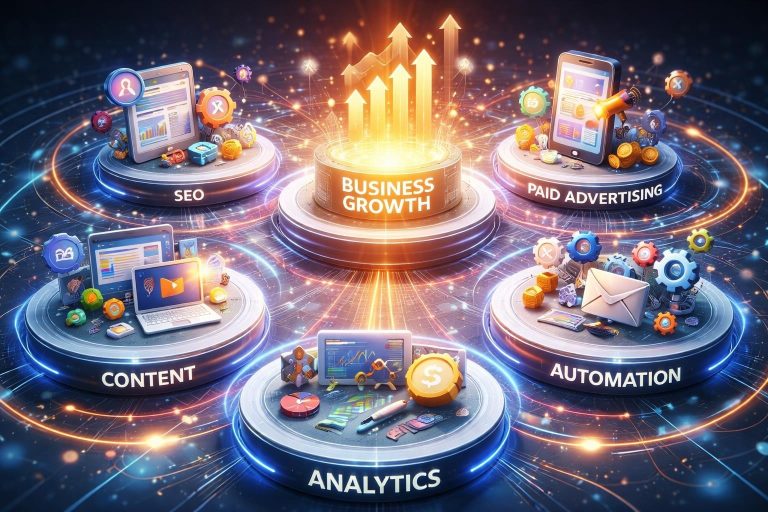
The role of a marketing digital strategist has become indispensable for businesses seeking competitive advantage in an increasingly digital marketplace. These professionals combine analytical thinking with creative execution, developing comprehensive strategies that transform online presence into measurable revenue. Unlike general marketers who may focus on single channels or tactics, a marketing digital strategist orchestrates multiple platforms, technologies, and campaigns into unified systems designed to achieve specific business objectives. For small and mid-sized businesses especially, this strategic approach means the difference between scattered marketing efforts and predictable growth engines that connect every dollar spent to quantifiable results.
What Does a Marketing Digital Strategist Actually Do
A marketing digital strategist serves as the architect behind successful digital campaigns, translating business goals into actionable marketing plans across multiple channels. This professional analyzes market conditions, identifies target audiences, selects appropriate platforms, and coordinates campaigns that work together rather than in isolation. The position requires understanding both strategic planning and tactical execution, bridging the gap between what leadership wants to achieve and how marketing teams make it happen.
According to the University at Albany’s guide to digital marketing strategists, these professionals develop data-driven strategies that integrate content marketing, paid advertising, social media, email campaigns, and search optimization. They monitor performance metrics continuously, adjusting tactics based on real-time data to maximize return on investment.
Strategic Planning and Market Analysis
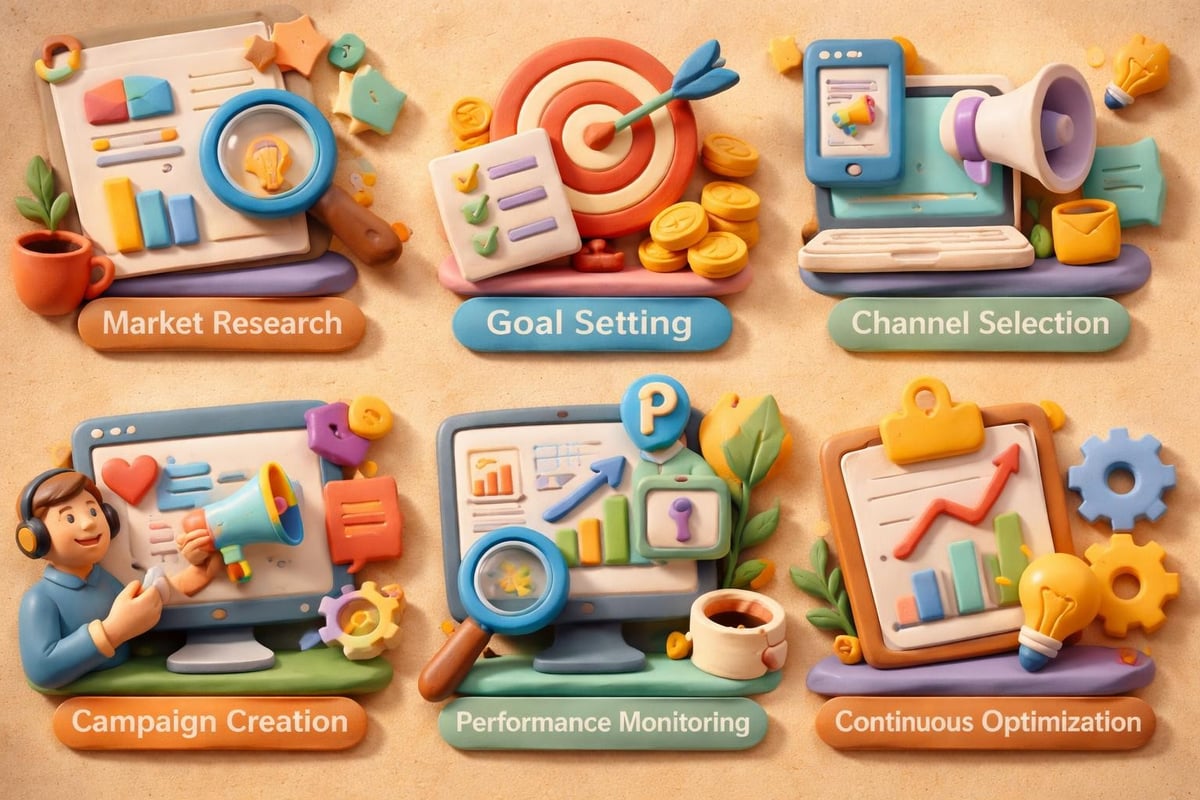
The foundation of effective digital strategy begins with comprehensive market research and competitive analysis. A marketing digital strategist examines industry trends, customer behavior patterns, and competitor positioning to identify opportunities for differentiation. This research phase uncovers which channels deliver the best results for specific audiences, which messaging resonates most effectively, and where budget allocation produces maximum impact.
Key planning activities include:
- Conducting customer journey mapping from awareness through purchase
- Analyzing competitor digital presence and campaign performance
- Identifying gaps in current marketing infrastructure
- Establishing measurable KPIs tied to revenue goals
- Creating quarterly and annual campaign roadmaps
Strategic planning also involves technology assessment. The right combination of analytics platforms, automation tools, CRM systems, and advertising technologies can multiply effectiveness while reducing manual workload.

Campaign Development and Execution
Once strategy is defined, the marketing digital strategist oversees campaign development across chosen channels. This involves coordinating creative teams, copywriters, designers, and media buyers to ensure consistent messaging and brand voice. Campaign execution requires attention to technical details like pixel tracking, conversion setup, audience segmentation, and attribution modeling.
For paid advertising campaigns, strategists determine budget allocation across platforms, establish bidding strategies, and design testing frameworks to optimize performance. When working with search campaigns, they ensure coordination between organic visibility efforts and paid search initiatives, understanding how these channels reinforce each other.
| Campaign Element | Strategic Considerations | Success Metrics |
|---|---|---|
| Audience Targeting | Demographics, behaviors, intent signals | Audience quality score, engagement rate |
| Budget Allocation | Channel performance, seasonality, competition | Cost per acquisition, ROAS |
| Creative Testing | Message variation, format testing | Click-through rate, conversion rate |
| Attribution | Multi-touch modeling, conversion windows | Revenue per channel, assisted conversions |
The execution phase also includes establishing systems for local SEO optimization when targeting geographic markets, ensuring businesses appear prominently in location-based searches that drive foot traffic and service area leads.
Essential Skills Every Marketing Digital Strategist Needs
Success in this role demands a unique combination of analytical capabilities, creative thinking, and technical proficiency. The most effective strategists balance data interpretation with human psychology, understanding both what the numbers reveal and why customers behave as they do.
Data Analysis and Interpretation
The ability to extract actionable insights from complex datasets separates competent strategists from exceptional ones. A marketing digital strategist must comfortable working with Google Analytics, advertising platform dashboards, CRM reporting systems, and attribution tools. This means understanding statistical significance, recognizing meaningful patterns amid noise, and translating raw data into strategic recommendations.
Modern marketing generates massive volumes of information across touchpoints. The strategist identifies which metrics actually matter for business growth versus vanity metrics that look impressive but don't correlate with revenue. This analytical foundation enables confident decision-making about where to invest resources and when to pivot away from underperforming initiatives.
Multi-Channel Marketing Expertise
Proficiency across digital channels is non-negotiable for strategic roles. While deep expertise in every platform isn't required, a marketing digital strategist must understand the strengths, limitations, and best practices for major channels including:
- Search marketing: Both paid search and organic optimization strategies
- Social media platforms: Organic community building and paid social advertising
- Email marketing: Segmentation, automation, and deliverability optimization
- Content marketing: SEO-focused content creation and distribution
- Display advertising: Programmatic buying and retargeting strategies
This breadth of knowledge allows strategists to recommend the right channel mix for each business situation rather than defaulting to familiar platforms. A service-based business in Colorado Springs, for example, might benefit more from Google Ads Management and local search optimization than from extensive social media advertising, depending on customer behavior and competition dynamics.

Customer Journey Mapping
Understanding how prospects move from initial awareness to final purchase enables strategists to design campaigns that address needs at each stage. Customer journey mapping reveals the questions buyers ask, the objections they encounter, and the information they require before making decisions.
Typical journey stages require different strategic approaches:
- Awareness stage: Educational content, broad targeting, brand visibility
- Consideration stage: Comparison content, retargeting, social proof
- Decision stage: Offers, testimonials, direct response advertising
- Retention stage: Follow-up automation, loyalty programs, referral systems
The role of a digital marketing strategist includes designing touchpoints that guide prospects through this journey efficiently, removing friction points and providing the right information at optimal times.
Building Effective Digital Marketing Strategies
Strategy development follows a systematic process that begins with clear objective definition and ends with measurable performance tracking. The marketing digital strategist creates frameworks that teams can execute consistently while remaining flexible enough to adapt as market conditions change.
Goal Setting and KPI Definition
Effective strategy starts with specific, quantifiable objectives tied directly to business outcomes. Rather than vague aims like "increase brand awareness," a strategic approach defines targets such as "generate 150 qualified leads per month at under $75 cost per lead" or "achieve 25% revenue growth from organic search within six months."
These goals cascade into channel-specific KPIs that indicate progress toward larger objectives. For paid advertising, this might include target cost per click, conversion rates, and return on ad spend. For organic initiatives, metrics could include keyword rankings, organic traffic growth, and engagement rates.
The strategist ensures everyone understands which metrics drive business results versus indicators that simply monitor activity. This clarity prevents teams from optimizing for engagement when the business actually needs conversions, or chasing traffic volume when qualified lead quality matters more.
Competitive Differentiation and Positioning
Markets grow increasingly crowded across nearly every industry, making strategic positioning critical for capturing attention and winning customers. A marketing digital strategist analyzes competitive landscapes to identify underserved niches, messaging gaps, and opportunities for differentiation.
This analysis examines not just what competitors offer but how they communicate, which channels they dominate, and where they show weakness. The strategy then positions the brand to exploit these gaps, whether through superior service delivery, more targeted messaging, or presence in overlooked channels.
For businesses serving local markets, differentiation might focus on geographic specialization, industry expertise, or service model innovation. Companies competing nationally may emphasize unique methodologies, proprietary technology, or exceptional customer experience that larger competitors can't replicate.
Budget Allocation and Resource Planning
Strategic budget allocation requires understanding which investments generate returns and which represent necessary infrastructure costs. The marketing digital strategist distributes resources based on channel performance, growth potential, and business priorities rather than equal distribution or historical patterns.
| Budget Category | Allocation Strategy | Expected Outcomes |
|---|---|---|
| Paid Advertising | Performance-based, scaled with ROI | Immediate lead generation, market testing |
| Content Creation | Consistent investment for long-term assets | Organic visibility, authority building |
| Technology & Tools | Infrastructure supporting all activities | Efficiency, attribution, automation |
| Testing & Innovation | 10-20% for experimental initiatives | Competitive advantage, new channel discovery |
Resource planning extends beyond financial budgets to include team capacity, technology capabilities, and timeline constraints. The strategist creates realistic plans that teams can execute without burnout while delivering results within expected timeframes.
The Technology Stack Behind Strategic Success
Modern digital marketing relies heavily on integrated technology platforms that enable data collection, campaign automation, and performance measurement. A marketing digital strategist must understand how these systems work together to create efficient, scalable marketing operations.
Analytics and Attribution Platforms
Comprehensive analytics infrastructure tracks customer interactions across all touchpoints, attributing conversions to appropriate marketing activities. This visibility enables confident investment decisions based on actual performance rather than assumptions or partial data.
Attribution modeling becomes especially important for businesses running multi-channel campaigns where customers interact with several touchpoints before converting. The strategist implements tracking systems that reveal the full customer journey, showing which channels initiate interest, which nurture consideration, and which close sales.
According to comprehensive guides on the digital marketing strategist role, mastery of analytics tools represents a core competency that informs every strategic decision from channel selection to creative development.
Marketing Automation and CRM Systems
Automation technology allows small teams to execute sophisticated campaigns previously requiring large staffs. Email sequences, social media scheduling, lead scoring, and follow-up workflows run automatically once configured, ensuring consistent communication without constant manual effort.
CRM integration connects marketing activities directly to sales outcomes, tracking each lead from first interaction through closed business. This connection proves marketing ROI definitively rather than relying on correlation or estimates. Strategists design automation flows that nurture leads appropriately based on behavior, moving them toward purchase while providing sales teams with context about each prospect's interests and engagement history.
Advertising Platform Mastery
Each major advertising platform operates with unique algorithms, targeting capabilities, and optimization approaches. Google Ads differs significantly from Meta advertising, which functions differently than LinkedIn or programmatic display. The marketing digital strategist understands these nuances, leveraging platform-specific features to maximize performance.
Platform expertise includes staying current with policy changes, new feature releases, and algorithm updates that affect campaign performance. This knowledge prevents wasted budget on outdated tactics while capitalizing on emerging opportunities before competitors discover them.
Career Development and Professional Growth
The path to becoming a marketing digital strategist typically combines formal education with practical experience and continuous learning. While specific backgrounds vary, successful professionals share commitment to understanding both strategic frameworks and hands-on execution.
Educational Pathways and Certifications
Many strategists begin with degrees in marketing, communications, business, or related fields that provide foundational knowledge of consumer behavior, market dynamics, and business strategy. However, digital marketing evolves too rapidly for academic programs alone to provide sufficient preparation. Practical certifications complement formal education by demonstrating current platform expertise.
Valuable certifications for career advancement include:
- Google Ads and Google Analytics certifications
- Meta Blueprint certifications for Facebook and Instagram advertising
- HubSpot Content Marketing and Inbound certifications
- Digital Marketing Institute specialist programs
- Search Marketing Mastery programs focused on measurable results
These credentials verify specific competencies while providing structured learning on best practices and strategic frameworks. As noted in resources covering digital strategist certifications, continuing education helps professionals stay competitive as technology and consumer behavior evolve.
From Specialist to Strategist
Most marketing digital strategists begin their careers as channel specialists, developing deep expertise in areas like SEO, paid search, social media, or email marketing. This specialized experience provides practical understanding of what works in real campaigns, not just theoretical knowledge.
The transition to strategic roles happens as professionals expand their perspective beyond individual channels to understand how different tactics support business objectives. This shift requires developing analytical skills, learning to interpret data across platforms, and thinking in terms of integrated systems rather than isolated campaigns.
Building strategic capabilities involves taking on projects that require coordinating multiple channels, managing budgets, and reporting directly on revenue impact. Many professionals accelerate this transition by seeking mentorship, participating in strategic planning processes, and volunteering for cross-functional initiatives that broaden their exposure.
Measuring Strategic Success and Demonstrating Value
The effectiveness of a marketing digital strategist ultimately appears in measurable business outcomes rather than activity metrics. Success means consistently delivering qualified leads, reducing customer acquisition costs, improving conversion rates, and driving revenue growth through marketing initiatives.
Performance Metrics That Matter
Strategic measurement focuses on metrics directly connected to revenue and profitability. While awareness metrics and engagement rates provide useful context, the strategist prioritizes KPIs that demonstrate actual business impact.
Primary performance indicators include:
- Customer acquisition cost across channels
- Lead quality and sales conversion rates
- Revenue attributed to marketing activities
- Return on advertising spend and overall marketing ROI
- Customer lifetime value relative to acquisition cost
These metrics enable comparison of channel performance on equal terms, showing which investments produce sustainable growth versus which deliver short-term activity without lasting value. The strategist builds dashboards that surface this information clearly for stakeholders who need to make informed decisions about marketing investment.
Continuous Optimization and Testing
Markets change constantly as competitors adjust tactics, platforms modify algorithms, and consumer preferences shift. The marketing digital strategist implements structured testing programs that continuously improve performance rather than relying on static strategies.
Testing frameworks examine creative variations, audience segments, landing page designs, offer structures, and channel combinations. Each test provides data that refines understanding of what drives results, building institutional knowledge that compounds over time.
Organizations exploring how to grow their marketing effectiveness benefit from strategic approaches that treat marketing as an iterative process of hypothesis, testing, measurement, and refinement rather than a fixed set of tactics implemented once and left unchanged.
Strategic Considerations for Different Business Types
Effective digital strategy varies significantly based on business model, industry dynamics, and growth stage. The marketing digital strategist adapts approaches to fit specific contexts rather than applying generic frameworks regardless of circumstances.
Service-Based Business Strategies
Service businesses require strategies focused on demonstrating expertise, building trust, and generating qualified leads within specific service areas. Unlike product businesses that can scale through inventory, service providers must match lead volume to capacity while ensuring lead quality justifies sales effort.
Strategic priorities for service businesses include:
Local visibility optimization for businesses serving specific geographic markets, ensuring appearance in "near me" searches and local service directories. Reputation management that builds social proof through customer reviews and testimonials. Lead qualification systems that filter prospects based on service fit before consuming sales resources.
The approach differs significantly between professional services, home services, and B2B consulting, requiring customization based on purchase cycles, decision-making processes, and competitive dynamics specific to each industry.
E-commerce and Product Strategies
Product-based businesses need strategies emphasizing conversion optimization, shopping behavior analysis, and customer retention. The customer journey often moves faster than service businesses but requires overcoming price comparison and trust barriers inherent to online purchasing.
E-commerce strategy emphasizes product feed optimization, shopping platform integration, abandoned cart recovery, and post-purchase sequences that encourage repeat buying. The marketing digital strategist develops systems that acquire customers profitably while increasing average order value and purchase frequency.
B2B and Complex Sales Cycles
Businesses selling high-value solutions or serving enterprise clients face longer sales cycles requiring sophisticated nurture strategies and multi-touch attribution. A single piece of content or advertisement rarely drives conversions directly; instead, prospects engage with multiple touchpoints over weeks or months before making decisions.
B2B strategy focuses on thought leadership content, account-based marketing approaches, and sales enablement that provides materials supporting complex buying processes. The strategist designs campaigns that maintain engagement throughout extended consideration periods while qualifying prospects to focus sales attention on genuine opportunities.
Resources like job descriptions for digital strategists reveal how these roles adapt responsibilities based on industry context and organizational needs.
Common Strategic Challenges and Solutions
Even experienced marketing digital strategists encounter obstacles that require creative problem-solving and strategic pivots. Recognizing common challenges and developing response frameworks prevents minor issues from derailing entire campaigns.
Budget Constraints and Resource Limitations
Small and mid-sized businesses often face budget limitations that prevent competing directly against larger competitors on every channel. The strategic response involves identifying high-efficiency channels where smaller budgets still produce meaningful results, focusing on underserved niches competitors overlook, and building owned assets like organic search visibility that provide long-term value.
Automation technology extends limited team capacity, allowing small groups to execute sophisticated campaigns. The strategist prioritizes investments in systems that reduce manual work while maintaining quality, such as automated email sequences, chatbot qualification, and programmatic advertising.
Data Quality and Attribution Accuracy
Tracking customer journeys accurately across devices, platforms, and time periods presents persistent technical challenges. Privacy regulations, cookie restrictions, and platform limitations create gaps in data that complicate attribution and performance measurement.
Strategic responses include implementing first-party data collection through CRM systems, using platform-specific conversion tracking where available, and applying statistical modeling to estimate attribution when direct tracking proves impossible. The key involves acknowledging limitations transparently while making informed decisions based on available data rather than demanding perfect information before acting.
Adapting to Platform and Algorithm Changes
Major platforms like Google and Meta regularly update algorithms, policies, and features that affect campaign performance. Changes implemented without warning can disrupt strategies that previously worked well, requiring rapid response to maintain results.
The marketing digital strategist mitigates this risk through channel diversification, avoiding over-dependence on any single platform. Building owned channels like email lists and organic search visibility provides stability independent of platform policy changes. Maintaining current knowledge through industry publications, platform announcements, and professional networks enables early adaptation to coming changes.
The Future Evolution of Digital Marketing Strategy
The marketing digital strategist role continues evolving as technology capabilities expand and consumer behavior shifts. Professionals who anticipate these changes position themselves and their organizations for sustained success as the digital landscape transforms.
Artificial Intelligence and Automation
AI technology increasingly handles routine optimization tasks like bid management, audience targeting, and content personalization. Rather than replacing strategists, these tools elevate the role toward higher-level thinking about positioning, messaging, and competitive differentiation.
According to discussions in resources focused on AI in marketing, strategic professionals who master AI tools multiply their effectiveness while focusing human creativity on problems that still require judgment, empathy, and strategic vision. The future strategist combines analytical rigor with creative problem-solving, directing AI systems toward business objectives rather than performing manual optimization.
Privacy-First Marketing Approaches
Increasing privacy regulations and consumer expectations require strategies less dependent on third-party data and invasive tracking. First-party data collection, contextual targeting, and permission-based marketing become strategic priorities as cookie-based tracking declines.
This shift benefits businesses that invest in customer relationships and owned channels rather than relying exclusively on paid advertising. The strategist develops programs that provide value in exchange for customer information, building proprietary audience data that competitors cannot access.
Integration of Emerging Channels
New platforms and technologies continually create opportunities for early adopters to gain competitive advantage. Voice search, augmented reality, streaming platforms, and emerging social networks present strategic decisions about when to invest in experimentation versus focusing on established channels.
The marketing digital strategist evaluates emerging opportunities based on audience presence, competitive density, and alignment with business objectives rather than chasing every new trend. Strategic experimentation allocates controlled budgets to testing new channels while maintaining core investments in proven approaches.
Building effective digital marketing strategy requires balancing analytical rigor with creative execution, connecting every campaign decision to measurable business outcomes. Whether optimizing local search visibility, managing complex paid advertising campaigns, or implementing automation systems that reduce manual work, the strategic approach transforms marketing from an expense into a predictable growth engine. If you're ready to develop comprehensive digital strategies that connect traffic, leads, and revenue for your Colorado Front Range business, Pioneer Marketing combines local expertise with AI-driven automation to create scalable marketing infrastructure that delivers measurable results.