The role of a digital marketing strategist has become essential for businesses navigating an increasingly complex online landscape. These professionals bridge the gap between creative marketing concepts and data-driven execution, developing comprehensive plans that generate measurable results across multiple digital channels. Unlike general marketers who execute campaigns, a digital marketing strategist creates the blueprint that guides every marketing decision, ensuring resources are allocated effectively and every tactic supports broader business objectives. For small and mid-sized businesses in competitive markets, having a skilled strategist can mean the difference between scattered marketing efforts and a cohesive system that predictably generates qualified leads.
Understanding the Digital Marketing Strategist Role
A digital marketing strategist serves as the architect of an organization's online presence and growth initiatives. This professional analyzes market conditions, identifies target audiences, evaluates competitive landscapes, and develops multi-channel strategies that align marketing activities with revenue goals. The position requires both analytical rigor and creative problem-solving, as strategists must interpret complex data patterns while crafting compelling customer journeys.
Core Responsibilities and Daily Functions
The daily work of a digital marketing strategist involves significantly more than posting on social media or writing blog content. These professionals spend their time analyzing performance metrics, conducting competitor research, mapping customer journeys, and making strategic recommendations based on data insights. According to comprehensive career research, digital marketing strategists typically oversee campaign development across paid advertising, organic search, content marketing, email automation, and conversion optimization.
Key responsibilities include:
- Developing comprehensive digital marketing strategies aligned with business objectives
- Conducting market research and competitive analysis to identify opportunities
- Establishing key performance indicators and measurement frameworks
- Allocating marketing budgets across channels based on expected ROI
- Collaborating with creative teams, developers, and media buyers
- Testing hypotheses through controlled experiments and A/B testing
- Presenting performance reports and strategic recommendations to leadership
The role demands constant learning as platforms evolve, algorithm changes impact visibility, and consumer behavior shifts across digital touchpoints.
Strategic Planning Versus Tactical Execution
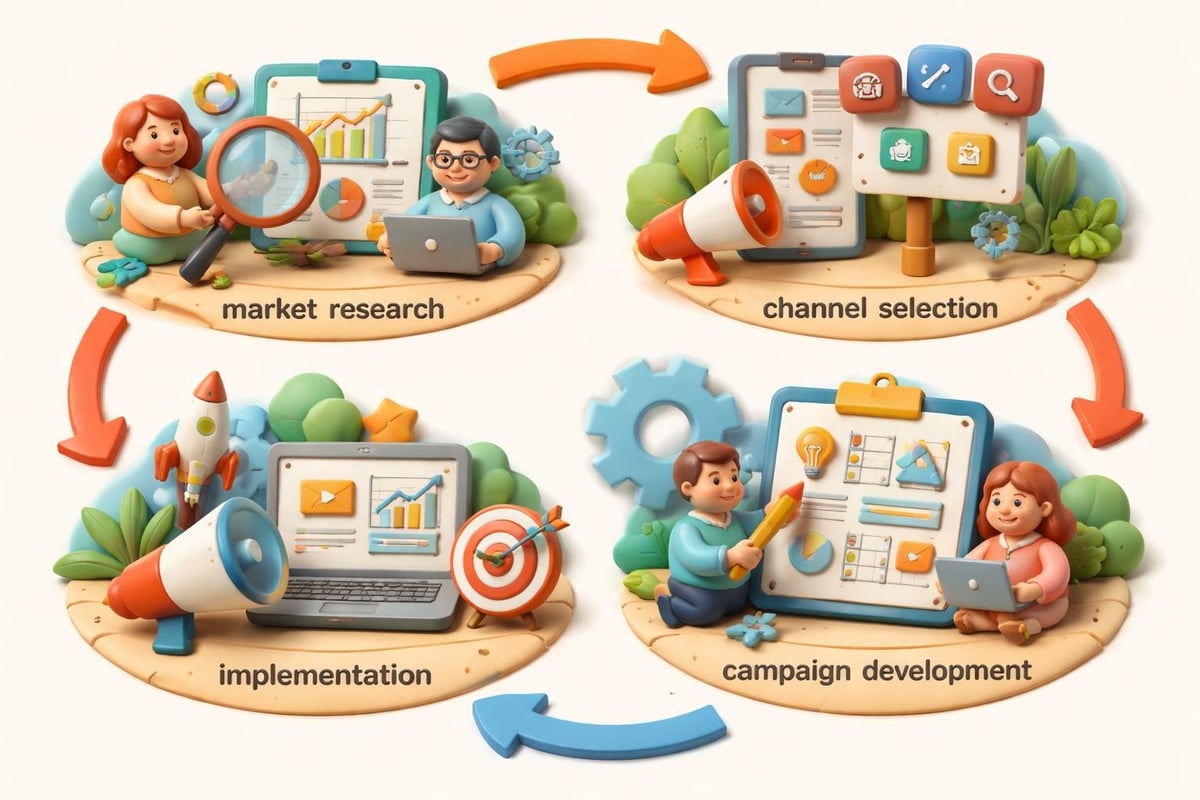
Understanding the distinction between strategy and tactics is crucial for anyone pursuing this career path. A digital marketing strategist focuses on the "why" and "what" while tactical marketers handle the "how." For example, a strategist determines that a business should prioritize local search visibility and retargeting campaigns based on customer acquisition cost analysis. The tactical team then executes the actual local SEO implementation and advertising management.
This strategic focus requires stepping back from day-to-day campaign management to see the bigger picture. While a social media manager tracks engagement rates on individual posts, the strategist evaluates whether social media deserves 15% or 30% of the marketing budget compared to search advertising or email automation based on channel-specific conversion data.
Essential Skills for Digital Marketing Strategists
Success in this role requires a diverse skill set combining analytical capabilities, technical knowledge, creative thinking, and business acumen. Unlike specialized roles that require deep expertise in a single area, digital marketing strategists need broad competency across multiple disciplines.
Analytical and Data Interpretation Skills
Data literacy stands as the foundation of strategic marketing decisions. A digital marketing strategist must extract actionable insights from Google Analytics, advertising platforms, CRM systems, and attribution models. This goes beyond simply reading reports to understanding statistical significance, identifying correlation versus causation, and recognizing patterns that reveal customer behavior.
| Analytical Skill | Application | Business Impact |
|---|---|---|
| Attribution modeling | Determining which touchpoints drive conversions | Optimizes budget allocation |
| Cohort analysis | Tracking customer groups over time | Improves retention strategies |
| A/B testing | Comparing variant performance | Increases conversion rates |
| Predictive analytics | Forecasting future performance | Enables proactive planning |
The ability to translate numbers into narratives helps strategists communicate findings to stakeholders who may not share the same technical background. Presenting data as stories with clear business implications drives better decision-making across organizations.
Technical Marketing Knowledge
While strategists don't need to code websites or manually configure server settings, they require solid understanding of technical marketing infrastructure. This includes how search engines crawl and index content, how tracking pixels and cookies enable retargeting, how marketing automation platforms trigger based on user behavior, and how APIs connect different systems to create seamless data flow.
Critical technical competencies:
- SEO fundamentals including on-page optimization, technical SEO, and link building principles
- Paid advertising platforms (Google Ads, Meta Ads, LinkedIn Ads) and bidding strategies
- Marketing automation workflows and trigger-based campaigns
- CRM systems and lead tracking methodologies
- Conversion rate optimization principles and testing frameworks
- Email deliverability and list management best practices
This technical foundation allows strategists to evaluate whether proposed tactics are actually feasible and to spot when implementation details might undermine strategic goals.
Communication and Stakeholder Management
Even the most brilliant strategy fails without buy-in from decision-makers and effective collaboration with execution teams. Digital marketing strategists must communicate complex concepts to audiences ranging from C-level executives to freelance designers, adjusting their language and detail level appropriately.
Presentation skills prove particularly valuable when proposing budget increases, justifying strategic pivots, or explaining why short-term metrics might decline during a transition period. The ability to defend recommendations with data while remaining open to feedback separates effective strategists from those who struggle to implement their vision.

Building a Career Path as a Digital Marketing Strategist
Most successful digital marketing strategists don't start in strategic roles. The career path typically involves gaining hands-on experience in tactical marketing positions before transitioning into strategic planning. This progression builds the practical knowledge necessary to create realistic, implementable strategies rather than theoretical plans that fail in execution.
Educational Foundation and Certifications
While formal education requirements vary, most organizations prefer candidates with bachelor's degrees in marketing, business, communications, or related fields. However, practical experience and demonstrated results often outweigh academic credentials in this performance-driven field.
Professional certifications strengthen resumes and validate specific skill sets:
- Google Analytics Individual Qualification (IQ)
- Google Ads certifications (Search, Display, Video, Shopping)
- HubSpot Inbound Marketing Certification
- Meta Blueprint Certification
- Hootsuite Social Marketing Certification
These credentials demonstrate commitment to professional development and provide structured learning paths for emerging marketers. More importantly, the preparation process for these exams builds genuine competency in platform-specific strategies and best practices.
Gaining Practical Experience
Entry-level positions in content marketing, social media management, PPC advertising, or SEO provide the tactical foundation for strategic thinking. Working directly in channels reveals the practical constraints, time requirements, and realistic outcomes that inform better strategy development.
Many aspiring strategists benefit from working at agencies where they're exposed to multiple clients, industries, and campaign types within compressed timeframes. This accelerated learning environment builds pattern recognition skills that help strategists quickly identify what's likely to work in new situations based on past experiences.
Recommended experience progression:
- Years 1-2: Specialist role (SEO coordinator, paid media assistant, content marketer)
- Years 2-4: Senior specialist or multi-channel coordinator managing integrated campaigns
- Years 4-6: Digital marketing manager overseeing team members and channel mix
- Years 6+: Digital marketing strategist developing comprehensive growth plans
Side projects, freelance work, and personal marketing experiments accelerate learning by providing opportunities to test ideas without organizational constraints or approval processes.
Strategic Frameworks and Planning Methodologies
Professional digital marketing strategists rely on established frameworks to structure their thinking and ensure comprehensive strategy development. These methodologies prevent overlooking critical elements and provide common language for cross-functional collaboration.
Audience Segmentation and Customer Journey Mapping
Effective strategy begins with deep understanding of target audiences. Rather than marketing to everyone, strategists segment audiences based on demographics, psychographics, behavior patterns, and position in the buying journey. Each segment receives tailored messaging through appropriate channels at optimal times.
Customer journey mapping visualizes every touchpoint between initial awareness and post-purchase advocacy. This process identifies gaps where prospects fall out of the funnel, opportunities to improve experience, and moments where automated follow-up prevents lost opportunities. For service-based businesses, understanding the typical path from search query to booked appointment reveals exactly where marketing efforts should concentrate.
Channel Selection and Budget Allocation
Not every marketing channel deserves equal investment. A digital marketing strategist evaluates channels based on where target audiences spend time, which platforms deliver qualified leads at acceptable costs, and where competitors have created opportunities or saturated markets.
| Channel | Best For | Typical CAC | Speed to Results |
|---|---|---|---|
| Local SEO | High-intent local searches | Low (long-term) | 3-6 months |
| Google Ads | Immediate visibility, specific keywords | Medium-high | Immediate |
| Meta Ads | Brand awareness, retargeting | Medium | 1-2 weeks |
| Email automation | Nurturing existing leads | Very low | Ongoing |
This strategic allocation ensures marketing dollars flow toward channels delivering the best return rather than spreading budgets thinly across too many platforms. Regular rebalancing responds to performance changes and market shifts.
Performance Measurement and Optimization Cycles
Strategic marketing operates in continuous improvement cycles. Strategists establish baseline metrics, implement changes, measure results, analyze variance, and adjust approaches based on findings. This systematic methodology prevents reactive decision-making based on anecdotal evidence or temporary fluctuations.
Detailed job descriptions for digital strategists emphasize the importance of measuring efficiency across digital channels and using data to guide ongoing optimization. Key performance indicators might include customer acquisition cost, lifetime value, conversion rates by channel, organic search visibility, and marketing-attributed revenue.
Industry Specialization and Niche Expertise
As the digital marketing strategist role has matured, specialization has become increasingly valuable. Rather than claiming expertise across every industry and tactic, many successful strategists develop deep knowledge in specific verticals or channel combinations.
Local Service Business Strategies
Companies serving local markets require fundamentally different strategies than e-commerce brands or SaaS businesses. Local service providers benefit from strategies combining local SEO visibility, reputation management, and geographically targeted paid advertising rather than broad awareness campaigns.
A digital marketing strategist focused on local services understands the importance of Google Business Profile optimization, review generation systems, local citation building, and service area targeting in paid campaigns. They recognize that phone calls often matter more than website conversions and build strategies around trackable call generation rather than form submissions alone.
Vertical-Specific Marketing Approaches
Certain industries face unique challenges requiring specialized knowledge. Regulated industries must navigate advertising restrictions and compliance requirements. High-ticket service businesses need longer nurture sequences than impulse purchase products. Seasonal businesses require strategies that build awareness during slow periods and convert aggressively during peak seasons.
Strategists who develop expertise in specific verticals command premium compensation because their experience prevents costly mistakes and accelerates results. They understand industry-specific customer concerns, competitive dynamics, seasonal patterns, and which messaging resonates with particular audiences.
The Technology Stack of Modern Strategists
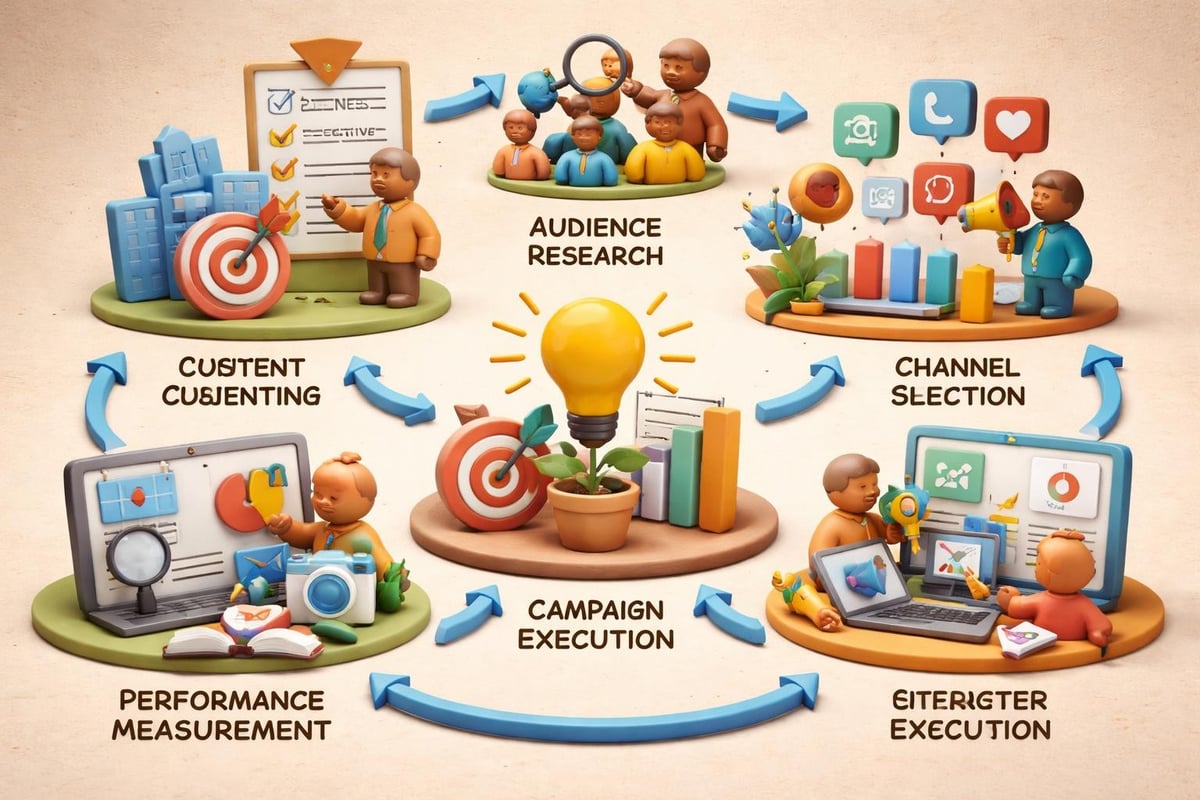
Digital marketing strategists don't work in isolation from technology. They rely on sophisticated tools that enable data collection, campaign management, automation, and performance tracking. Understanding this technology landscape helps strategists select appropriate solutions and integrate systems for seamless data flow.
Analytics and Reporting Platforms
Google Analytics serves as the foundation for most digital marketing measurement, but strategists typically work with multiple analytics platforms simultaneously. Call tracking software attributes phone conversions to specific marketing sources. Heatmapping tools reveal how users interact with landing pages. Attribution platforms connect multi-touch customer journeys across devices and sessions.
The ability to build custom dashboards that surface the most important metrics for specific stakeholders streamlines reporting and keeps teams focused on activities that drive results rather than vanity metrics that look impressive but don't correlate with revenue.
Marketing Automation and CRM Systems
Modern marketing strategies depend on automation to nurture leads, maintain consistent communication, and ensure no prospect falls through the cracks. CRM platforms track every interaction from initial website visit through closed sale, enabling strategists to calculate accurate ROI by channel and identify bottlenecks in the conversion process.
For businesses looking to implement comprehensive lead management, solutions that combine CRM functionality with automated follow-up sequences prevent the missed opportunities that plague companies relying on manual processes. When integrated properly, these systems attribute revenue to specific marketing activities with precision that was impossible just a few years ago.
Testing and Optimization Tools
A/B testing platforms allow strategists to validate hypotheses rather than relying on opinions or assumptions. Testing variations of headlines, calls-to-action, page layouts, and offer structures generates data-driven insights that compound over time as winning variations become new controls for subsequent tests.
Conversion rate optimization tools including session recording, form analytics, and user feedback collection reveal why visitors don't convert and where improvements deliver the highest impact. Strategic testing roadmaps prioritize high-traffic pages and high-value conversion points to maximize return on optimization effort.
Collaboration With Cross-Functional Teams
Digital marketing strategists rarely work in isolation. Success requires effective collaboration with creative teams, developers, sales departments, and executive leadership. Each group brings different perspectives, priorities, and constraints that the strategist must balance while maintaining focus on overarching business objectives.
Working With Creative and Content Teams
Strategists provide the direction and frameworks that guide creative execution. Rather than dictating specific designs or copy, effective strategists communicate audience insights, positioning requirements, messaging priorities, and performance benchmarks that allow creative professionals to develop compelling assets within strategic guardrails.
This collaboration works best when strategists respect creative expertise while creatives understand that strategy provides context for design decisions. Regular feedback loops where performance data informs creative iterations create continuous improvement in messaging effectiveness.
Alignment With Sales and Revenue Teams
The most successful digital marketing strategies closely align with sales processes and revenue goals. Strategists who understand sales cycles, qualification criteria, and typical objections create campaigns that deliver genuinely qualified leads rather than high volumes of poor-fit prospects.
Regular communication between marketing and sales teams prevents the common disconnect where marketing celebrates lead generation numbers while sales complains about lead quality. Shared definitions of qualified leads, agreed-upon service level agreements for follow-up timing, and collaborative content development strengthen the entire revenue generation system.
Executive Communication and Budget Justification
Presenting strategic recommendations to executives requires translating marketing concepts into business language. C-suite stakeholders care less about engagement rates or keyword rankings than about customer acquisition costs, lifetime values, and marketing ROI. Comprehensive strategist role descriptions emphasize the importance of raising brand awareness while demonstrating measurable efficiency across digital channels.
Budget requests backed by projected returns based on historical performance data and competitive benchmarking receive better reception than generic appeals for more marketing spend. Strategists who demonstrate clear connections between investment and revenue growth earn trust and resources to execute their vision.
Emerging Trends Shaping Strategic Digital Marketing
The digital marketing landscape evolves constantly as new platforms emerge, consumer behaviors shift, and technologies enable previously impossible capabilities. Forward-thinking digital marketing strategists monitor trends and evaluate which innovations merit strategic incorporation versus which represent distractions from core objectives.
Artificial Intelligence and Marketing Automation
AI technologies now power everything from ad bidding optimization to content personalization to predictive lead scoring. Strategists must understand where AI adds genuine value versus where human judgment remains superior. Smart automation handles repetitive tasks and processes large data sets faster than humans, but strategic thinking about positioning, differentiation, and customer experience still requires human insight.
The integration of AI-driven automation in marketing systems allows small teams to execute sophisticated campaigns previously requiring much larger organizations. Strategists who leverage these capabilities create competitive advantages for businesses that lack the resources for extensive marketing departments.
Privacy Changes and First-Party Data Strategies
As third-party cookies disappear and privacy regulations tighten, digital marketing strategists must rebuild targeting and measurement approaches around first-party data collected directly from customers. This shift emphasizes owned channels like email lists, SMS databases, and CRM systems over rented attention on social platforms.
Strategies prioritizing list building, progressive profiling, and permission-based marketing position businesses to maintain targeting precision even as tracking capabilities diminish. The strategists who navigate this transition effectively will separate successful companies from those struggling with increasingly expensive and less effective paid advertising.
Multi-Channel Attribution and Unified Customer Views
Customers rarely convert after a single touchpoint. They research across devices, compare options on multiple platforms, and interact with brands through various channels before making purchase decisions. Modern attribution modeling attempts to credit each touchpoint appropriately rather than giving all credit to the last click before conversion.
Strategists implementing sophisticated attribution gain insights into which combination of channels works synergistically to drive conversions. This understanding enables smarter budget allocation and prevents cutting channels that appear ineffective in isolation but actually play crucial roles in multi-touch customer journeys.
Measuring Success and Demonstrating Value
Digital marketing strategists ultimately succeed or fail based on measurable business outcomes. Unlike creative roles where subjective judgments play larger roles, strategic marketing lives or dies on the numbers. Effective strategists establish clear metrics upfront and regularly demonstrate progress toward defined objectives.
Defining Meaningful KPIs
Not all metrics deserve equal attention. Vanity metrics like social media followers or website traffic may look impressive but often correlate poorly with revenue. Strategic KPIs connect directly to business outcomes:
Primary metrics for most businesses:
- Customer acquisition cost by channel
- Marketing-attributed revenue
- Lead-to-customer conversion rate
- Average customer lifetime value
- Return on ad spend (ROAS)
- Marketing qualified leads (MQLs) generated
Secondary metrics provide leading indicators and diagnostic insights when primary metrics underperform, but strategy should optimize for business results rather than intermediate activities.
Building Executive Dashboards
Leadership teams don't need to see every metric that interests the marketing department. Executive dashboards surface the essential information required for strategic decision-making, typically updated monthly or quarterly. These high-level views might show marketing ROI by channel, customer acquisition trends, pipeline value attributed to marketing, and progress toward annual growth targets.
Detailed strategist role requirements emphasize creating and managing digital projects while ensuring effective online presence within budget constraints. Dashboards that clearly show whether marketing delivers positive ROI justify continued or increased investment.
Continuous Improvement Methodologies
Strategic digital marketing never reaches a finished state. Markets change, competitors adapt, platforms evolve, and customer preferences shift. Successful strategists build continuous improvement into their operating rhythm through regular strategy reviews, competitive analysis updates, and structured experimentation.
Quarterly strategy sessions examine whether channel mix remains optimal, whether messaging still resonates with target audiences, and whether new opportunities have emerged. This disciplined review process prevents strategies from becoming outdated while avoiding reactive changes based on short-term fluctuations.
Becoming a More Effective Digital Marketing Strategist
Even experienced strategists can enhance their effectiveness through deliberate skill development, expanded knowledge, and refined processes. The best practitioners treat their own professional development as strategically as they approach client marketing plans.
Staying Current With Industry Evolution
Digital marketing changes faster than most industries. Algorithm updates alter search visibility overnight. New advertising features launch constantly. Consumer behavior shifts as younger generations adopt different platforms and older demographics become more digitally savvy. Comprehensive guides for digital marketing strategists highlight the need to continuously drive consumer insights and optimize marketing accounts based on emerging opportunities.
Effective strategists dedicate time weekly to professional development through industry publications, platform update announcements, competitor monitoring, and peer discussions. This investment prevents strategies from relying on outdated tactics that no longer deliver results.
Building Strategic Thinking Capabilities
Strategic thinking extends beyond marketing tactics to broader business understanding. The most valuable strategists comprehend financial statements, competitive positioning, operational constraints, and organizational capabilities. This context ensures marketing strategies align with what the business can actually deliver rather than creating demand that operations cannot fulfill.
Developing strategic thinking requires practice analyzing business challenges from multiple perspectives, considering second and third-order effects of decisions, and thinking in systems rather than isolated tactics. Reading case studies, participating in strategic planning exercises, and seeking mentorship from experienced business leaders accelerates this development.
Developing Specialization and Thought Leadership
As competition for strategist roles intensifies, differentiation becomes increasingly important. Developing recognized expertise in specific industries, channels, or strategic approaches creates career opportunities and justifies premium compensation. Sharing insights through speaking engagements, published articles, or educational content establishes credibility and attracts opportunities.
Specialization doesn't mean ignoring everything outside a narrow focus. The most effective specialists maintain broad knowledge while going exceptionally deep in their chosen area, creating T-shaped expertise that combines general competency with specialized mastery.
The digital marketing strategist role requires a unique combination of analytical thinking, technical knowledge, creative problem-solving, and business acumen. Success comes from understanding how individual tactics connect to create cohesive systems that generate predictable, measurable results. For Colorado Front Range businesses looking to move beyond scattered marketing efforts toward integrated strategies that drive qualified leads and revenue growth, partnering with specialists who understand both strategic planning and tactical execution creates the foundation for sustainable growth. Pioneer Marketing combines strategic thinking with hands-on implementation across local SEO, paid advertising, and marketing automation to help small and mid-sized businesses build predictable lead generation systems backed by data and designed for measurable results.