The world of marketing is evolving faster than ever, presenting both fresh challenges and exciting opportunities for businesses. To stay ahead, mastering marketing your business is essential for long-term success.
This comprehensive guide offers timeless strategies to help any company grow, build visibility, and engage customers. You will discover step-by-step methods, from in-depth research and audience targeting to crafting a unique brand, choosing the right channels, setting clear goals, and measuring results.
Ready to future-proof your brand? Dive in, apply these proven techniques, and start marketing your business with confidence.
Step 1: Conduct Thorough Market Research
Staying competitive in any industry requires a solid understanding of your market before launching or refining any campaign. Effective market research forms the foundation for marketing your business, helping you uncover hidden opportunities, reduce risk, and make informed choices that directly impact your bottom line.

Understanding Market Dynamics
Market research is the systematic process of gathering, analyzing, and interpreting data about your target market, competitors, and the overall industry landscape. This step is crucial for marketing your business effectively, as it enables you to make decisions based on evidence rather than assumptions.
There are several proven methods for gathering market insights:
- Surveys: Collect direct feedback from potential or existing customers.
- Interviews: Gain in-depth understanding of customer needs and motivations.
- Focus Groups: Test new ideas and gauge reactions in a controlled setting.
- Competitor Analysis: Identify strengths, weaknesses, and gaps in the market.
Research helps you discover what your customers truly want, their pain points, and what motivates their buying decisions. For example, social listening tools can reveal trending topics and emerging consumer preferences, giving you a real-time view of shifts in demand.
Monitoring industry trends and shifts is also essential. Staying updated on new technologies, consumer behaviors, and competitor moves ensures that marketing your business is always aligned with current realities. Studies show that businesses conducting regular market research can increase their ROI by up to 30 percent by leveraging competitor insights.
Keeping a close eye on competitors uncovers missed opportunities and allows you to differentiate your brand. For more inspiration and actionable lessons, explore these small business marketing insights, which showcase how real businesses gather and act on market intelligence.
Ultimately, data-driven decisions in marketing your business reduce wasted resources and help you allocate your budget to strategies proven to deliver results.
Leveraging Digital Resources for Research
In the digital era, a wealth of free and paid tools makes market research more accessible and actionable for marketing your business. Popular options include:
- Google Trends: Analyze search patterns and interest over time.
- SEMrush: Track competitor keywords, traffic, and content strategies.
- Government Data Sources: Access demographic and economic reports.
- Social Analytics: Platforms like Facebook Insights and Twitter Analytics reveal audience behavior.
Analyzing your website and social media analytics provides valuable insights into who visits your site, what content engages them, and which channels drive conversions. For instance, Google Analytics can help pinpoint your top-converting customer segments, allowing you to focus resources where they matter most.
Combining quantitative research (like traffic numbers and conversion rates) with qualitative insights (such as customer interviews) provides a holistic picture of your market. This balanced approach ensures that marketing your business is grounded in both hard data and genuine customer perspectives.
By leveraging these resources, you can confidently adapt your strategies and stay ahead of market changes, setting your business up for long-term success.
Step 2: Define and Profile Your Target Audience
Understanding who you are marketing your business to is critical for success. Gone are the days when mass marketing could reliably generate results for every brand. Today, segmentation is the key to unlocking better ROI, more relevant messaging, and ultimately, stronger customer relationships.

Segmentation Strategies
Segmentation divides the market into distinct groups, ensuring you are not marketing your business to everyone but to those who matter most. This approach increases efficiency and allows you to tailor your efforts for maximum impact.
There are four main types of segmentation to consider:
| Segmentation Type | Description | Example |
|---|---|---|
| Demographic | Age, gender, income, education | Targeting young professionals |
| Geographic | Location, region, climate | Focusing on urban neighborhoods |
| Psychographic | Values, interests, lifestyle | Marketing to health enthusiasts |
| Behavioral | Purchasing habits, brand loyalty, usage rates | Engaging repeat buyers |
To start, analyze your research data and build detailed customer personas. A persona is a semi-fictional profile representing a segment of your audience. For instance, a local fitness studio might segment by location and age, creating tailored offers for college students and nearby residents.
Tools like CRM platforms, social media insights, and customer surveys can streamline this process. These resources help you gather actionable data, so you are not just marketing your business based on assumptions.
Tailored messaging, grounded in accurate segmentation, can boost conversion rates by up to 50%, according to competitor data. By profiling your audience, you ensure every campaign resonates and delivers measurable results. For a deeper dive into actionable segmentation and persona-building, explore these digital marketing strategies for growth.
Identifying Customer Pain Points and Motivations
Once you have defined segments, the next step in marketing your business is to uncover what truly motivates your customers. Knowing what drives their decisions allows you to address their needs directly and build trust.
Start by using surveys, interviews, and online reviews to identify common pain points. For example, many local service businesses discover through surveys that convenience is the number one factor influencing their clients' choices. Understanding these insights helps you adapt your messaging and offers to match real customer desires.
Consider these techniques to dig deeper:
- Analyze customer feedback and support requests
- Review competitor offerings and customer complaints
- Monitor social media conversations for emerging trends
Understanding barriers to purchase is just as important as identifying motivators. If customers hesitate due to pricing, unclear value, or inconvenient processes, you can refine your approach to overcome these obstacles.
By consistently profiling your audience, marketing your business becomes an ongoing process of adaptation and improvement. The better you know your customers, the more relevant, engaging, and effective your campaigns will be.
Step 3: Craft a Unique Value Proposition and Brand Identity
Standing out is essential when marketing your business in a competitive landscape. A unique value proposition and a memorable brand identity are the foundation for lasting customer relationships and long-term growth.

Developing Your Unique Selling Proposition (USP)
A unique selling proposition, or USP, is the core reason customers choose your business over competitors. When marketing your business, your USP should clearly communicate what makes you different and why your solution is the best fit.
Start by analyzing your strengths. Consider your products, services, expertise, and the specific needs of your target audience. Are you offering something your competitors are not? For example, a bakery specializing in allergy-friendly recipes can attract a dedicated customer base seeking safe, delicious options.
To identify your USP, follow these steps:
- List your core strengths and unique capabilities.
- Research competitors to spot market gaps.
- Gather customer feedback to understand what they value most.
- Align your offerings with unmet needs in the market.
Research shows that 64% of consumers cite unique offerings as a prime reason for brand loyalty. By focusing on what sets you apart, you build a strong foundation for marketing your business to the right audience.
A clear and compelling USP not only differentiates you but also drives your messaging, advertising, and customer engagement strategies. Remember, marketing your business effectively starts with knowing what makes you special.
Building a Memorable Brand
Brand identity is more than just a logo. It encompasses your color palette, tone of voice, brand story, and every touchpoint a customer encounters. When marketing your business, a cohesive and authentic brand identity creates emotional resonance and trust.
Core elements of strong branding include:
- A distinctive logo and consistent color scheme.
- A defined tone of voice that matches your audience.
- A compelling brand story that highlights your mission and values.
- Visual and messaging consistency across all platforms.
For example, a small business that weaves customer stories and testimonials into its marketing builds trust and deepens relationships. Consistency is crucial; industry data shows that businesses with consistent branding see a 23% increase in revenue.
Authenticity is also vital, especially for younger audiences. Studies reveal that Gen Z, for instance, often trusts influencers more than your brand, highlighting the importance of a relatable and genuine brand voice.
To ensure consistency, develop brand guidelines that outline how your visuals, messaging, and tone should be applied across all marketing your business channels. This not only reinforces recognition but also streamlines your marketing efforts as your business grows.
Step 4: Select the Right Marketing Channels and Tactics
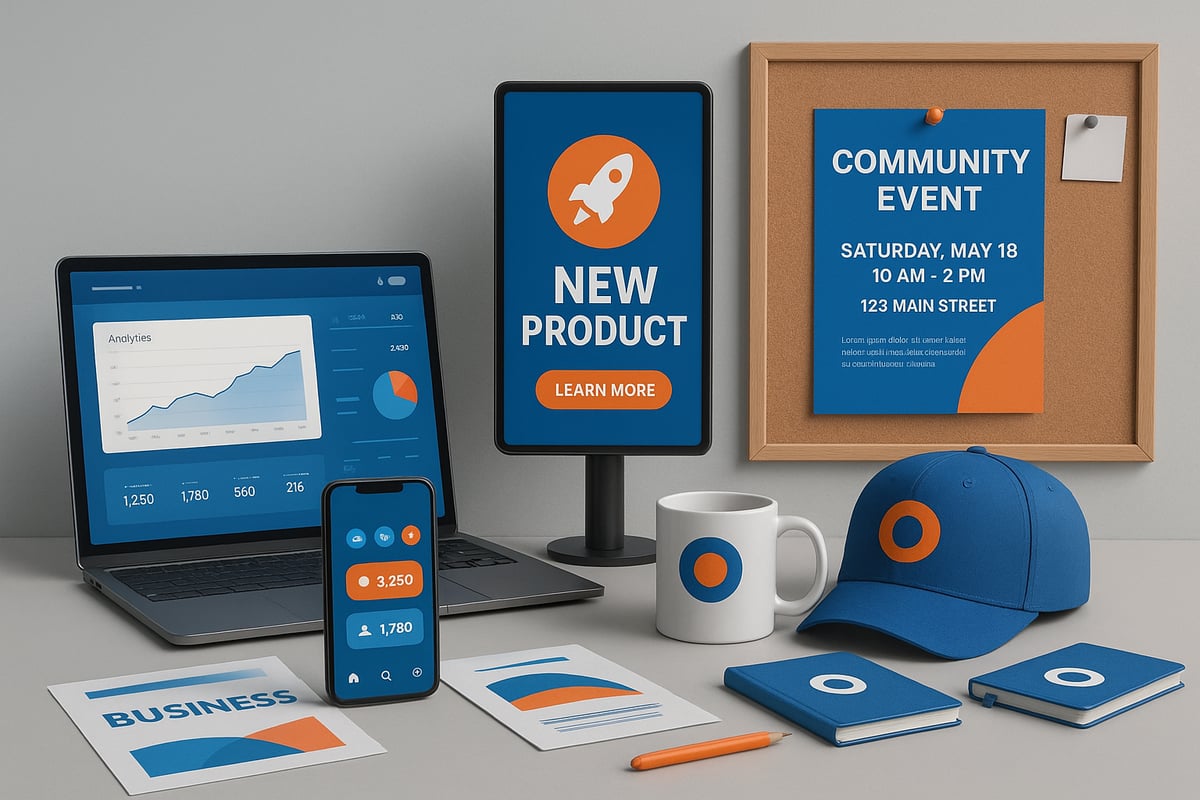
Choosing the right marketing channels is pivotal for marketing your business effectively. Success depends on understanding where your audience spends time and selecting methods that fit your goals and resources. With a thoughtful approach, businesses can maximize reach, engagement, and ROI while minimizing wasted effort.
Evaluating Online and Offline Channels
Selecting the right mix of channels is foundational for marketing your business. Digital channels offer broad reach and measurable results, while offline tactics foster local connections and brand trust.
Digital options include:
- Company websites
- Search engine optimization (SEO)
- Social media platforms
- Email marketing
- Pay-per-click (PPC) advertising
- Content marketing
Offline methods remain powerful:
- Print advertising (magazines, newspapers)
- Community events and sponsorships
- Direct mail campaigns
- Local networking and word of mouth
For example, a local restaurant might pair Instagram campaigns with participation in neighborhood events to boost both online visibility and community presence. Studies show that multi-channel strategies outperform single-channel approaches by 35 percent, illustrating the value of diversification when marketing your business.
The key is to align channel choices with your target audience’s habits and your business objectives. Regularly review performance data to refine your mix and ensure each channel delivers value.
Digital Marketing Essentials
A strong digital presence is non-negotiable when marketing your business. Start with a mobile-optimized website designed to convert visitors into leads or customers. Ensure your site loads quickly, features clear calls to action, and provides easy navigation.
SEO is a cornerstone of digital marketing. Conduct keyword research to target customer search intent, implement on-page and local SEO tactics, and optimize your Google Business Profile for local discovery.
Social media enables direct engagement with your audience. Choose platforms that align with your customer demographics, create a content calendar, and foster two-way communication. For example, a service business might use Facebook Ads to generate qualified leads, tracking performance to adjust campaigns as needed.
Email marketing nurtures relationships and drives retention. Deliver value through tailored messages, segment your list for relevance, and automate follow-ups. Balancing these digital essentials ensures marketing your business remains effective and future-proof.
Offline Marketing Tactics
While digital channels dominate, offline tactics remain relevant for marketing your business, especially at the community level. Word-of-mouth referrals, print materials, and local partnerships can create trust and drive action.
Consider these proven offline strategies:
- Distribute branded flyers or door hangers in target neighborhoods
- Offer referral incentives to loyal customers
- Partner with complementary local businesses for co-promotions
- Sponsor community events to boost brand visibility
A home services company, for instance, might combine door hanger campaigns with a referral program to increase reach. These offline tactics support digital efforts, ensuring marketing your business achieves both breadth and depth in the market.
Integrating and Automating Marketing Efforts
Integrating online and offline channels creates a seamless experience for customers and amplifies results. Automation is key to maintaining consistency, improving follow-up, and saving time when marketing your business.
Modern marketing automation platforms handle tasks such as:
- Scheduling social media posts
- Sending personalized email sequences
- Tracking leads and customer journeys
- Sending appointment reminders
CRM systems centralize customer data, making it easier to manage relationships and analyze results. For example, a dental office can automate appointment reminders, reducing no-shows and enhancing service.
For more insights and actionable advice, explore Effective marketing automation tips to optimize your systems and keep marketing your business running smoothly. As you scale, automation ensures you stay responsive and relevant in a fast-changing marketplace.
Step 5: Set Clear Marketing Goals and Budgets
Setting clear goals and budgets is the foundation of marketing your business effectively. Without a defined direction, resources can be wasted and results remain unpredictable. By establishing measurable objectives and a realistic budget, you create a roadmap that guides every marketing decision and maximizes your return on investment.
Establishing SMART Goals
To succeed at marketing your business, start by defining goals that are clear and actionable. The SMART framework ensures objectives are Specific, Measurable, Achievable, Relevant, and Time-bound. This structure transforms vague ambitions into results-driven targets.
SMART Goal Breakdown:
| SMART Element | Description | Example |
|---|---|---|
| Specific | Clear and precise | Increase qualified leads |
| Measurable | Quantifiable outcome | By 20 percent |
| Achievable | Realistic within your resources | Using local SEO strategies |
| Relevant | Tied to broader business goals | To support sales team growth |
| Time-bound | Set a deadline | Within six months |
For instance, a goal for marketing your business could be, “Increase qualified leads by 20 percent in six months using targeted local SEO.” This clarity keeps your team aligned and focused.
Research shows businesses with clear goals are 376 percent more likely to report marketing success. Align your marketing your business objectives with company-wide plans and adapt them as market conditions shift. Staying updated on 5 top marketing trends for 2026 can help ensure your goals remain relevant as new technologies and customer habits emerge.
Review your progress regularly, adjusting your goals as needed. This approach ensures that marketing your business is always driving growth and staying ahead of competitors.
Budgeting for Marketing Success
Budgeting is essential for marketing your business with confidence and sustainability. Start by considering your business stage, industry standards, level of competition, and growth targets. Experts recommend allocating 3 to 5 percent of your annual revenue to marketing, though new businesses may need to invest more initially to build awareness.
Key factors when budgeting:
- Business maturity (startup or established)
- Industry trends and seasonality
- Competitor activity and market saturation
- Short and long-term growth objectives
For example, if your annual turnover is $500,000, a 5 percent marketing budget would be $25,000. Prioritize channels and tactics that offer the highest return for marketing your business, such as SEO, social media, or referral programs.
| Budget Allocation Example | Percentage | Amount |
|---|---|---|
| Digital Marketing (SEO, PPC, Social) | 50 percent | $12,500 |
| Traditional Marketing (Print, Events) | 30 percent | $7,500 |
| Tools and Automation | 10 percent | $2,500 |
| Training and Development | 10 percent | $2,500 |
Using marketing plan templates helps ensure your spending aligns with your goals and keeps your team accountable. When marketing your business, revisit your budget quarterly to respond to new opportunities or challenges, always focusing on activities with the strongest potential impact.
Step 6: Build Customer Loyalty and Advocacy
Building customer loyalty is vital when marketing your business in today's competitive landscape. Loyal customers become not only repeat buyers but also powerful advocates, helping to amplify your brand's reach and reputation. Focusing on loyalty ensures your marketing your business efforts deliver lasting value and sustainable growth.
Delivering Exceptional Customer Experience
Exceptional service lies at the core of marketing your business for loyalty. Every interaction presents an opportunity to exceed expectations and build lasting relationships.
Key strategies include:
- Personalized communication, such as addressing customers by name or remembering preferences.
- Consistent after-sale follow-up to ensure satisfaction and encourage feedback.
- Proactively solving problems and delivering more value than promised.
For example, an e-commerce brand might send post-purchase surveys to gather insights and show appreciation. These small touches help customers feel valued and understood. Data shows that loyal customers are up to five times more likely to repurchase and refer others, multiplying the impact of marketing your business efforts. By making customer experience a priority, you lay a strong foundation for advocacy.
Leveraging Feedback and Continuous Improvement
Gathering and acting on feedback is essential when marketing your business to foster trust and demonstrate commitment. Encouraging reviews, collecting testimonials, and welcoming constructive criticism all provide valuable insights for improvement.
Consider these approaches:
- Use online surveys or feedback cards to capture customer opinions.
- Monitor review platforms and respond promptly to both praise and complaints.
- Implement suggestions that align with your brand values.
A restaurant, for instance, may adapt its menu based on customer comments, turning criticism into growth opportunities. Addressing feedback can be challenging, but overcoming these obstacles leads to better results. For deeper insights into executing these strategies, explore Marketing strategy implementation: Why is it so hard?. By continuously refining your approach, you ensure marketing your business remains relevant and effective.
Training and Empowering Staff
Employees play a pivotal role in marketing your business through every customer encounter. Well-trained staff deliver consistent, memorable service that inspires loyalty.
Effective practices include:
- Ongoing training on communication and problem-solving skills.
- Workshops focused on understanding customer needs and brand values.
- Empowering staff to resolve issues and reward loyal customers on the spot.
For example, a retailer might introduce regular workshops to teach staff how to create positive experiences and handle feedback constructively. Investing in your team not only boosts morale but also ensures that marketing your business is supported by reliable, enthusiastic ambassadors. Empowered employees help turn everyday interactions into lasting customer relationships, building a strong base for advocacy and future growth.
Step 7: Monitor, Measure, and Optimize Your Marketing Efforts
To achieve long-term success in marketing your business, it is essential to regularly monitor, measure, and optimize every campaign. This ongoing process ensures strategies remain effective as markets and customer preferences evolve. By tracking results and making informed adjustments, businesses can maximize growth and stay ahead of the competition.
Tracking Key Performance Indicators (KPIs)
The foundation of optimizing marketing your business starts with clear measurement. Key Performance Indicators (KPIs) provide quantifiable metrics to evaluate the success of each marketing initiative. Common KPIs include:
| KPI | What It Measures |
|---|---|
| Leads Generated | Number of new prospects |
| Sales | Revenue from marketing efforts |
| Conversion Rate | Percentage of leads turning into sales |
| Customer Acquisition Cost | Cost to acquire a new customer |
Utilizing tools such as Google Analytics, CRM dashboards, and social media analytics allows you to track these KPIs in real time. For example, analyzing monthly sales data helps determine which campaigns are most effective in marketing your business. Regularly reviewing these metrics uncovers trends and highlights areas needing improvement.
Reviewing and Refining Your Strategy
Continuous review is vital for marketing your business to remain competitive. Schedule quarterly and annual assessments to ensure your strategy aligns with current goals and market realities. During reviews, compare actual results with your initial objectives and adjust tactics as needed.
Consider leveraging frameworks like Guardrailed Uplift Targeting: A Causal Optimization Playbook for Marketing Strategy to enhance decision-making through advanced data analysis. Adjusting ad spend based on seasonality or competitor activity is a practical example of agile optimization. This process ensures resources are focused on the highest-impact activities, driving better ROI and consistent growth for marketing your business.
Staying Ahead with Industry Trends
Staying proactive is essential when marketing your business in a rapidly changing landscape. Dedicate time to learning about emerging tools, platforms, and techniques. Early adoption of innovations such as AI-driven analytics or new social media channels can provide a significant edge.
Explore industry publications, attend webinars, and participate in professional communities to remain informed. Businesses that consistently innovate and adapt are more resilient and positioned for long-term success. By making trend research a regular part of marketing your business, you ensure your strategies never become outdated and always support your growth objectives.
As you look ahead to marketing your business in 2026, it’s clear that real growth comes from a strategy built on research, smart audience targeting, and seamless automation. If you’re ready to put these proven steps into action and want expert guidance on leveraging local SEO, AI-powered systems, and data-driven campaigns, you don’t have to figure it all out alone. Let’s take the guesswork out of your next move and map out a plan tailored to your business goals. Start Your Growth Plan