A steady flow of qualified prospects is the difference between a business that grows and one that white-knuckles it month to month. Lead generations is the system behind that flow: attracting the right people, capturing their info, and nurturing them until they are ready to buy. For small and mid-sized businesses competing in local markets, it is the whole ballgame.
Understanding Modern Lead Generations
Lead generation has moved way past cold calls and purchased lists. The modern playbook creates value first, builds trust with helpful content, and uses technology to spot the people showing real buying signals.
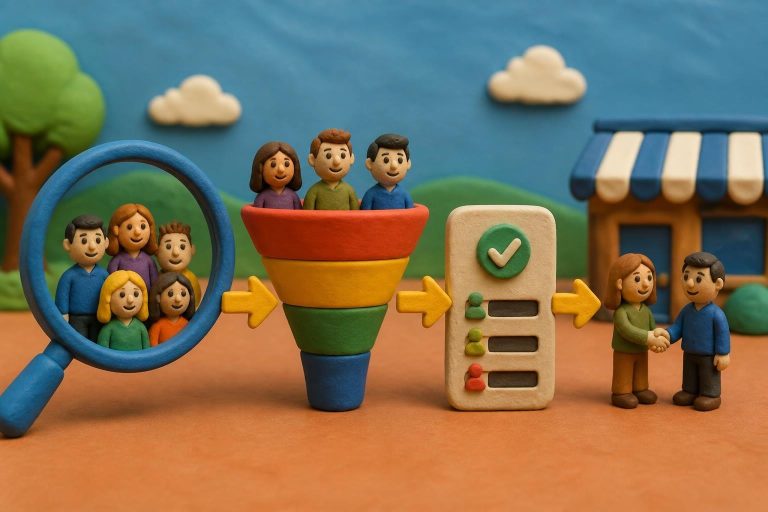
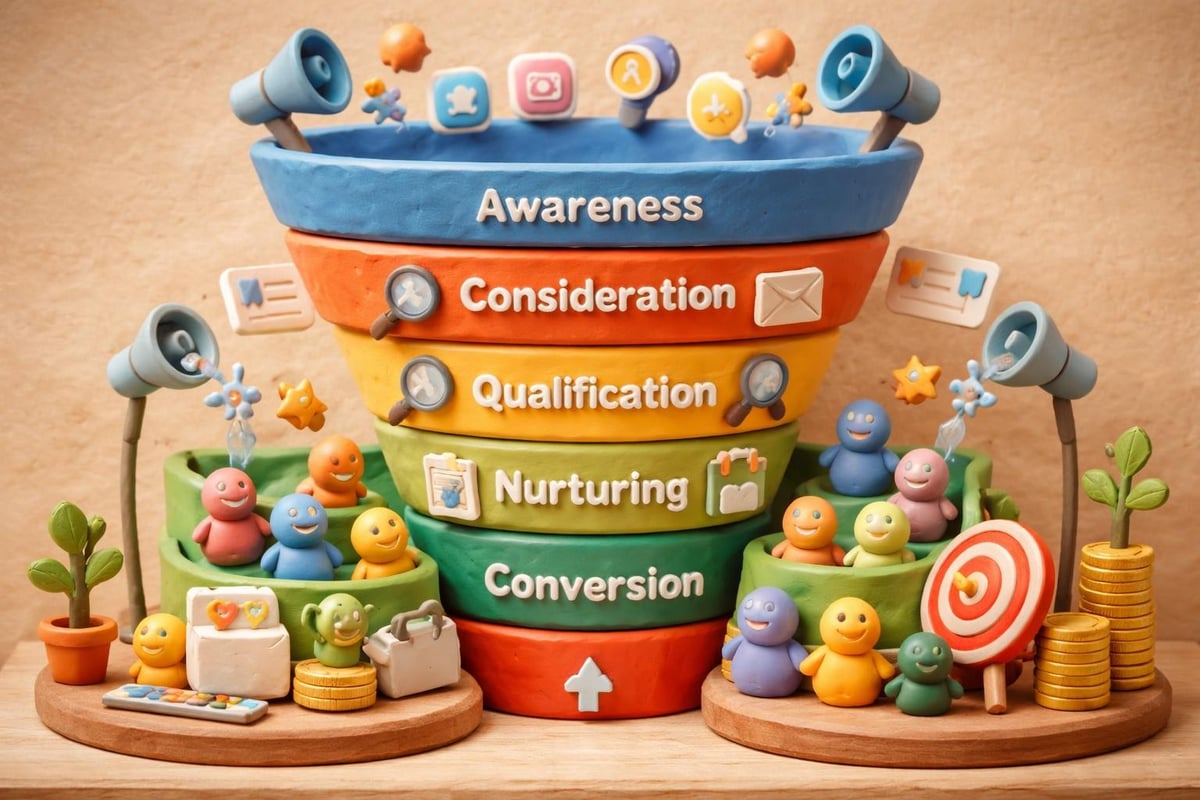
The framework has five moving parts:
- Attracting target audiences through search visibility and strategic advertising
- Capturing contact information with compelling offers and value exchanges
- Qualifying leads based on fit, interest level, and readiness to purchase
- Nurturing relationships through automated follow-up sequences
- Converting qualified prospects into paying customers
Old-school methods still have a place, but digital channels dominate because you can measure them. You can see exactly which channels produce leads, how many convert, and what each customer costs to acquire.
The Local Advantage in Lead Generations
Local businesses have advantages the national players cannot copy: in-person networking, local partnerships, community ties. And service providers can use local SEO strategies to show up exactly when someone nearby searches for help.
Search engines favor local results for service queries, which means a well-optimized local shop can outrank national brands. If you serve a defined geographic market, that is free leverage.
Content Marketing as Lead Generations Foundation
Content works because it proves you know your stuff while solving a prospect’s problem. According to Qualified’s research on lead generation strategies, companies that publish consistently attract far more inbound leads than those relying on outbound alone.
The content types that pull their weight:
- Educational blog articles addressing customer pain points
- Video tutorials demonstrating processes or solutions
- Case studies showcasing measurable client results
- Comprehensive guides offering deep expertise on specific topics
- Comparison resources helping prospects make informed decisions
Match content to where the buyer is. Awareness-stage content answers broad questions; decision-stage content covers solutions, pricing, and what working with you looks like.
| Content Type | Buyer Stage | Lead Quality | Production Effort |
|---|---|---|---|
| Blog Articles | Awareness | Medium | Medium |
| Case Studies | Decision | High | High |
| Video Tutorials | Consideration | Medium-High | High |
| Comparison Guides | Decision | High | Medium |
| Email Courses | Consideration | Medium-High | Medium |
Do this consistently and you become the trusted authority. When it is finally time to buy, prospects pick the company whose advice they have been reading for months. Make that you.
Optimizing Content for Search Visibility
None of it matters if nobody finds it. SEO for lead generations means targeting keywords with commercial intent, not just informational ones.
For service businesses, that means “near me” searches, service-plus-location phrases, and problem keywords. “Emergency plumbing repair Colorado Springs” is worth far more than “what causes pipe leaks.”
Paid Advertising for Immediate Lead Flow
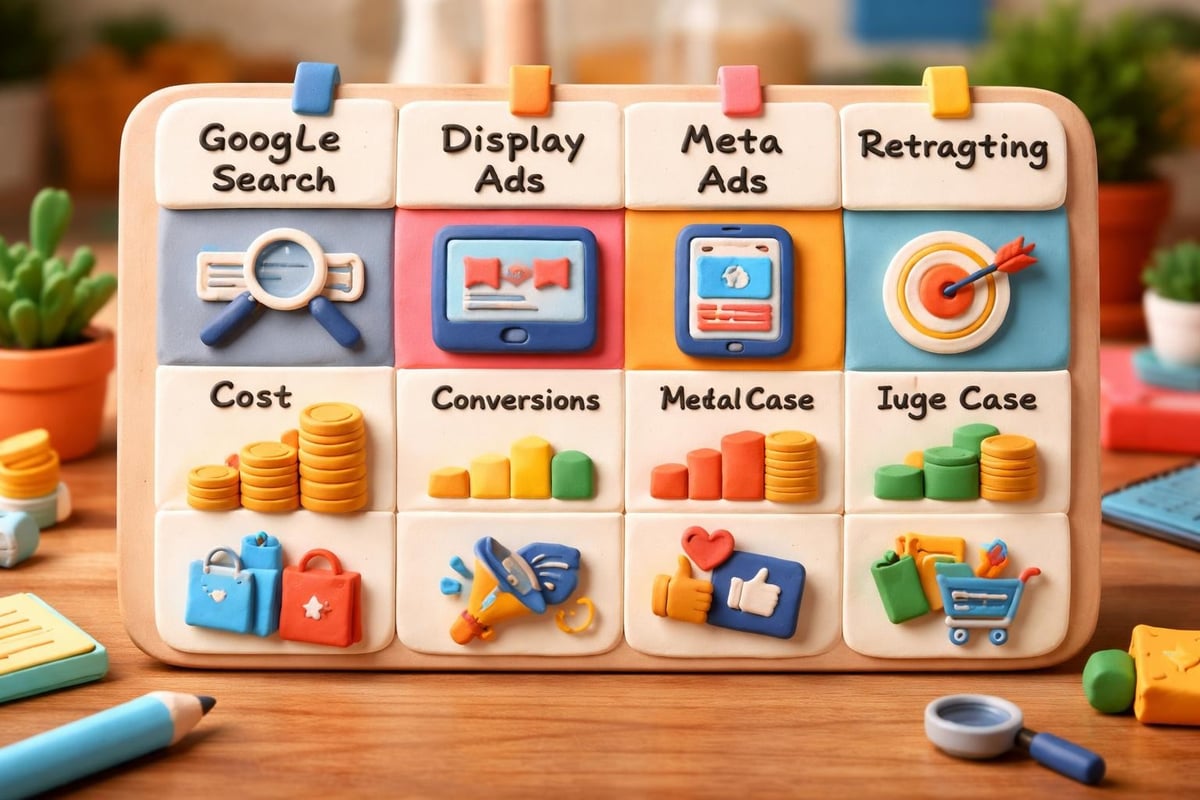
Organic builds the long game. Paid ads deliver leads this week. Google Ads and Meta let you target by demographics, interests, behaviors, and search intent, and Smarte.pro highlights pay-per-click advertising as a critical piece of a balanced strategy.
Paid campaigns that actually convert require:
- Compelling ad copy addressing specific customer pain points
- Landing pages designed exclusively for conversion rather than general information
- Clear calls-to-action guiding prospects toward next steps
- Tracking systems measuring conversion rates and cost per lead
- Continuous testing and optimization based on performance data
Narrow beats broad every time. A martial arts studio targeting parents of kids aged 5 to 12 within five miles will crush a campaign aimed at the whole city. Local service businesses can use targeted paid advertising approaches to reach exactly the right customers.
Landing Page Optimization
Send every campaign to a dedicated landing page, never the homepage. Homepages serve everyone, which means they convert no one. A landing page has one offer and one action.
The high-converting ones share the same DNA: a headline with a clear value promise, short benefit-focused copy, testimonials and certifications, a prominent form or call button, and a design that works on phones. Test one element at a time and the conversion rate keeps climbing.
Automation Systems That Scale Lead Generations
Manual follow-up fails because humans forget and get busy. AI-driven marketing automation does not. It runs the sequences, catches every lead, and gives you your evenings back.
The core pieces:
- Email sequences nurturing leads with valuable information over time
- SMS messaging reaching prospects on mobile devices immediately
- Chatbots providing instant responses to website visitors
- Appointment scheduling systems eliminating phone tag
- CRM platforms tracking all prospect interactions in centralized systems
Good automation responds to behavior. Someone who downloads your pricing guide gets different follow-up than someone who watched a demo video. Relevance is what converts.
AI Voice Agents and Conversational Lead Capture
AI voice agents now answer inbound calls, qualify leads, field common questions, and book appointments without a human touching the phone. They never miss a call and they work at 3am. If missed calls are leaking leads out of your business, this is the fix.
Website chat catches the leads that forms miss. Plenty of people would rather have a quick conversation than fill out a form, and instant answers convert dramatically better than next-day callbacks. Podium’s guide emphasizes web chat as an essential modern tool.
Social Media as Lead Generations Channel
Social platforms earn leads two ways: organic engagement and paid targeting. LinkedIn for B2B, Facebook and Instagram for B2C and local services. Go where your customers already are.
Tactics that work:
- Sharing valuable content that drives profile visits and website traffic
- Engaging directly with potential customers through comments and messages
- Running targeted advertising campaigns with lead generation objectives
- Participating in industry groups where prospects seek advice
- Showcasing customer success stories and project results
Prospects check your social profiles before they call. They want proof you are real: work examples, reviews, recent activity. A dead profile raises questions. An active one answers them.
Video Content for Engagement
Video beats text and static images for engagement on every platform. Short how-tos, testimonials, before-and-afters, behind-the-scenes clips. Your smartphone with decent lighting is plenty. Value beats production polish.
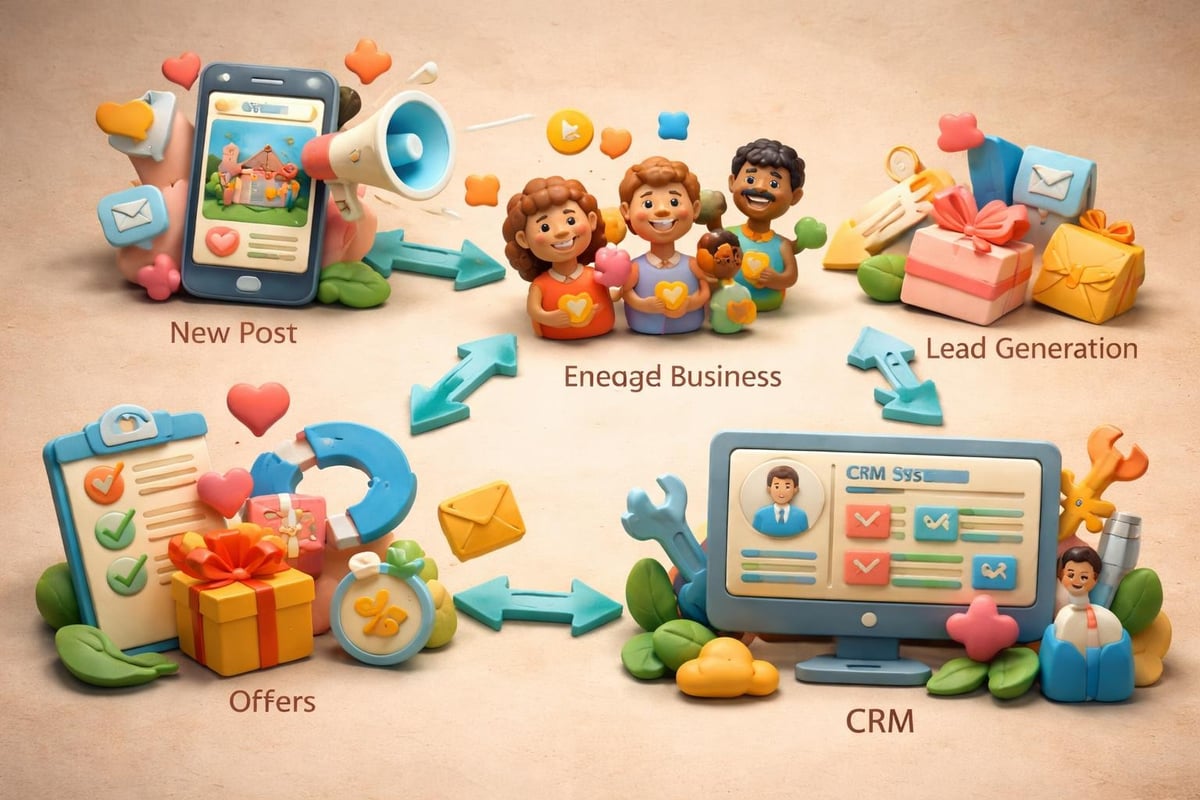
Referral Programs and Customer Advocacy
Your best lead source is the customers you already have. Salesforce emphasizes asking for referrals as one of the most effective and least used strategies. Referred leads convert better, stay longer, and cost less than any other source.
A formal referral program just makes recommending you easy and worthwhile. Discounts, gift cards, donations in the customer’s name: the incentive matters less than a simple process.
The elements of a program that works:
| Component | Purpose | Implementation |
|---|---|---|
| Clear Ask | Customers know what you want | Direct request after positive experience |
| Simple Process | Removes friction from referring | One-click sharing or dedicated referral link |
| Meaningful Reward | Motivates participation | Discount, gift, or donation |
| Follow-Up | Keeps program top-of-mind | Regular reminders to satisfied customers |
| Tracking System | Measures program effectiveness | CRM integration recording referral source |
Advocacy goes beyond referrals. Reviews, social mentions, and testimonials are proof prospects trust more than anything you say about yourself. Ask for them, then show them off.
Lead Qualification and Scoring
Not every lead deserves the same attention. Qualification separates likely customers from bad fits, and Salesforce outlines B2B lead generation best practices that start with targeting the right audience in the first place.
Lead scoring puts numbers on it. Demographics like location and company size set a baseline; behaviors like pages visited and emails opened show interest.
Common scoring criteria:
- Geographic location within service area (high value)
- Budget alignment with service pricing (high value)
- Decision-making authority (high value)
- Timeline for implementation (medium value)
- Engagement with marketing content (medium value)
- Company size or revenue (variable based on business model)
Automated scoring flags hot prospects for a personal call and routes the rest into nurture sequences. Your sales energy goes where it pays.
The Speed-to-Lead Factor
Speed wins deals. Contact a lead within five minutes and your odds multiply compared to waiting hours. Most prospects contact several providers at once, and the first to respond usually wins.
Automation makes five-minute response possible even when you are on a job site. Auto-replies, SMS confirmations, and chatbots acknowledge the inquiry instantly and route it to the right person.
Measuring Lead Generations Performance
You cannot improve what you do not measure, and follower counts do not pay invoices.
The metrics that matter:
- Cost per lead across different channels
- Lead-to-customer conversion rate
- Average customer lifetime value
- Return on advertising spend
- Time from first contact to closed sale
- Lead source attribution showing which channels produce best results
These numbers show which strategies earn their keep. A channel producing lots of leads that never convert needs different messaging or tighter qualification, not more budget.
Attribution Modeling Challenges
Buyers touch your business many times before paying. Organic search, a Facebook ad, three blog posts, then an email. Crediting only the first or last touch tells you a false story.
Multi-touch attribution splits credit across the journey. More work to set up, but it shows which channels work together instead of which one happened to be last.
Local Partnerships and Community Involvement
Local partnerships produce referrals paid ads cannot buy. Find businesses serving your customers without competing with you: a roofer and a gutter company, an HVAC outfit and an electrician. Everyone wins.
Sponsorships, charity work, and local events build slow, deep trust. Paid advertising cannot replicate it, and it compounds for years.
Networking That Generates Results
Networking events still work if you stop collecting business cards and start building actual relationships. Follow up, be useful without keeping score, and be the helpful resource instead of the pushy salesperson.
Chambers of commerce, industry associations, business groups. Show up consistently for months and the referrals follow.
Lead Nurture Sequences
Most prospects are not ready to buy the day they find you. Nurture sequences keep the relationship warm until they are. Leadpages emphasizes creating lead magnets as the foundation for campaigns that convert later instead of never.
Sequence the value: educate early, add social proof and case studies in the middle, make the offer near the end. You are walking someone from awareness to decision, not demanding a proposal meeting on day one.
What good sequences have in common:
- Multiple touchpoints over weeks or months
- Varied content formats maintaining engagement
- Behavioral triggers responding to prospect actions
- Clear calls-to-action guiding next steps
- Personal tone creating human connection despite automation
Segment so messages stay relevant. Someone interested in one service should not get emails about a different one. Relevance is the difference between nurture and noise.
Integration and System Connectivity
All of this works best when the pieces talk to each other. Forms create CRM records automatically, ad platforms feed analytics, email reacts to behavior. Understanding how automation enhances digital marketing helps you build systems that actually connect.
The specific tools matter less than the connections between them. Integrated systems can auto-schedule a sales call when a prospect shows buying behavior, or nudge someone who abandoned your contact form.
Sustainable lead generations is a system, not a stack of tactics: paid ads for immediate flow, content and SEO for the long game, automation to scale without scaling costs. If you want lead flow you can actually predict, Pioneer Marketing builds exactly that for Colorado Front Range businesses through local SEO, intelligent automation, and conversion-focused campaigns.