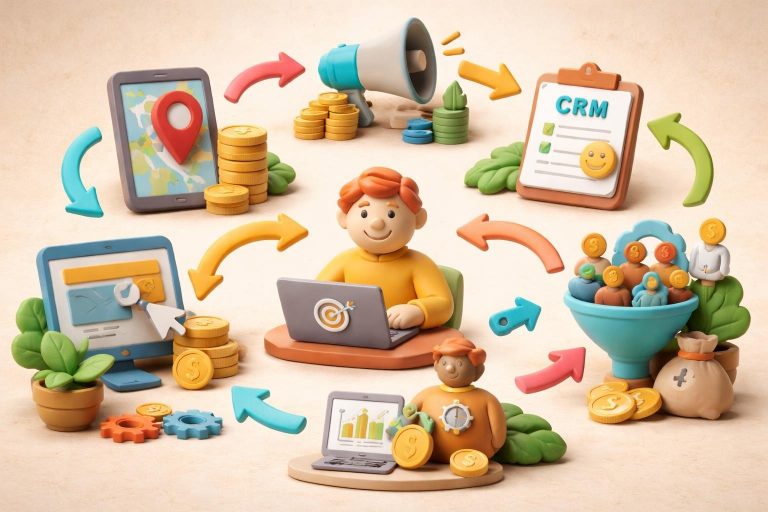
Digital marketing is what sets thriving businesses apart in a connected world. Every industry has seen dramatic shifts as customer journeys move online and companies adapt to rapid digital change.
Understanding digital marketing is what empowers organizations to build lasting customer relationships, drive measurable growth, and compete effectively in an ever-evolving marketplace. This guide will help you grasp what digital marketing is, why it matters, and how to use proven strategies for sustainable results.
You will discover the essentials: clear definitions, key benefits, major channels, step-by-step strategy, future trends, and how to measure success. Ready to transform your business? Explore this comprehensive guide and unlock the full power of digital marketing.
What Is Digital Marketing?
In today's fast-paced world, digital marketing is what every growth-focused business needs to thrive. It is the practice of promoting products or services through digital channels, including websites, search engines, social media, email, and mobile apps. As consumer habits shift online, understanding digital marketing is what separates companies that grow from those left behind.
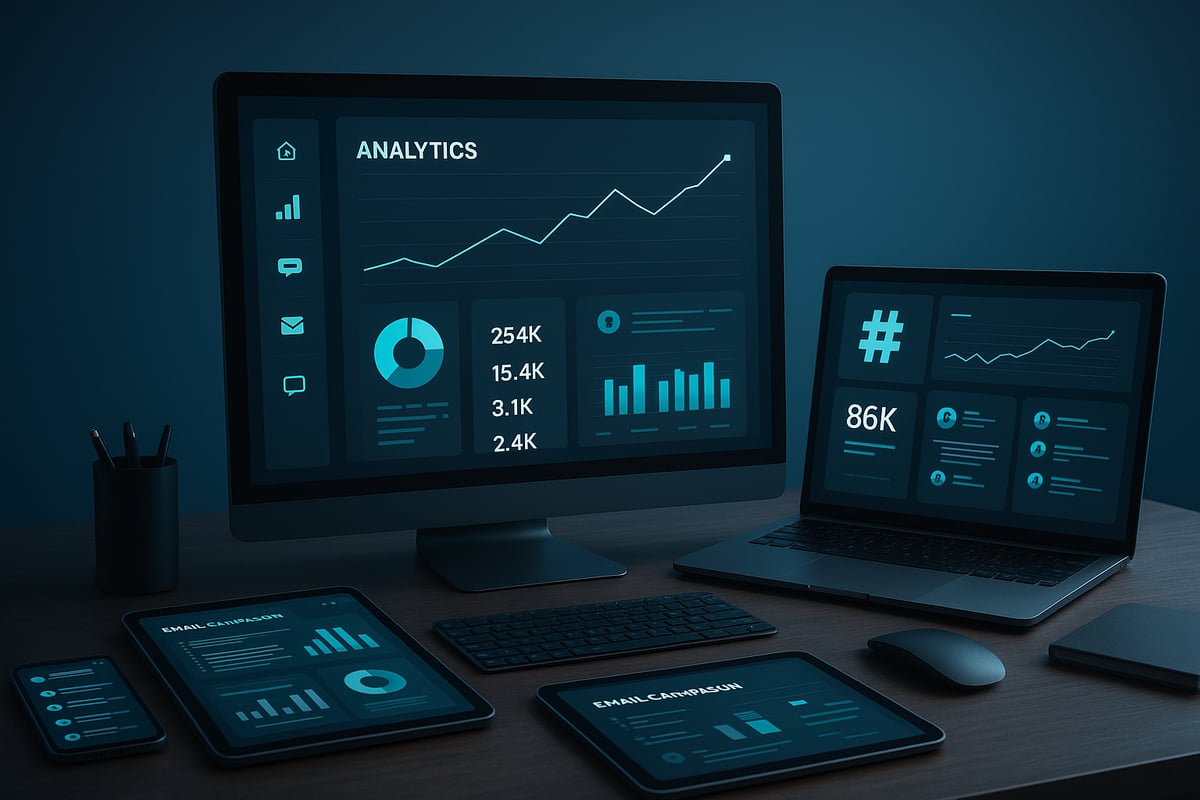
Defining Digital Marketing in 2026 and Beyond
At its core, digital marketing is what enables brands to connect with audiences where they spend their time: online. While the term is often used interchangeably with online marketing, there are subtle differences. Digital marketing covers all digital channels, not just the internet, while online marketing focuses solely on web-based efforts. Traditional marketing, in contrast, uses print, broadcast, and offline methods.
| Term | Main Channels | Example Activities |
|---|---|---|
| Digital Marketing | Web, email, apps, SMS, social, IoT | SEO, email automation, social ads |
| Online Marketing | Websites, social media, search | PPC ads, content marketing, webinars |
| Traditional Marketing | TV, radio, print, outdoor | Billboards, direct mail, TV commercials |
For a deeper dive into the basics, visit What Is Digital Marketing?.
Digital marketing is what brings together paid, owned, and earned media under one strategy. Owned media includes your website and email lists. Paid media covers search engine advertising and paid social campaigns. Earned media is the organic buzz you generate, such as press mentions or social shares.
Strategies have evolved quickly as technology and consumer preferences change. Marketers now leverage automation, AI, and data-driven targeting to reach the right audience at the right time. This evolution is ongoing, as new platforms and tools emerge regularly.
Comparing B2B and B2C, digital marketing is what shapes unique approaches for each. B2B focuses on building relationships and longer decision cycles, often using educational content and email nurturing. B2C aims for faster conversions, using visually engaging campaigns on platforms like Instagram or TikTok.
Consider these real-world examples:
- Local businesses use SEO to appear in nearby searches.
- Consumer brands run influencer campaigns to build trust.
- Companies automate email sequences to nurture leads.
Statistics reinforce the impact: 68 percent of online experiences start with a search engine, and the content marketing industry is projected to reach 107 billion dollars by 2026.
No matter the size of your business, digital marketing is what you need to stay competitive. Small startups and global enterprises alike rely on these strategies to attract, engage, and retain customers. In an ever-changing digital landscape, investing in digital marketing is what ensures long-term growth and relevance.
The Benefits of Digital Marketing
Digital marketing is what empowers businesses to compete and thrive in today’s fast-paced environment. Whether you run a local shop or a global brand, the digital landscape opens doors that traditional marketing simply cannot match. The benefits are vast, measurable, and accessible to organizations of any size.
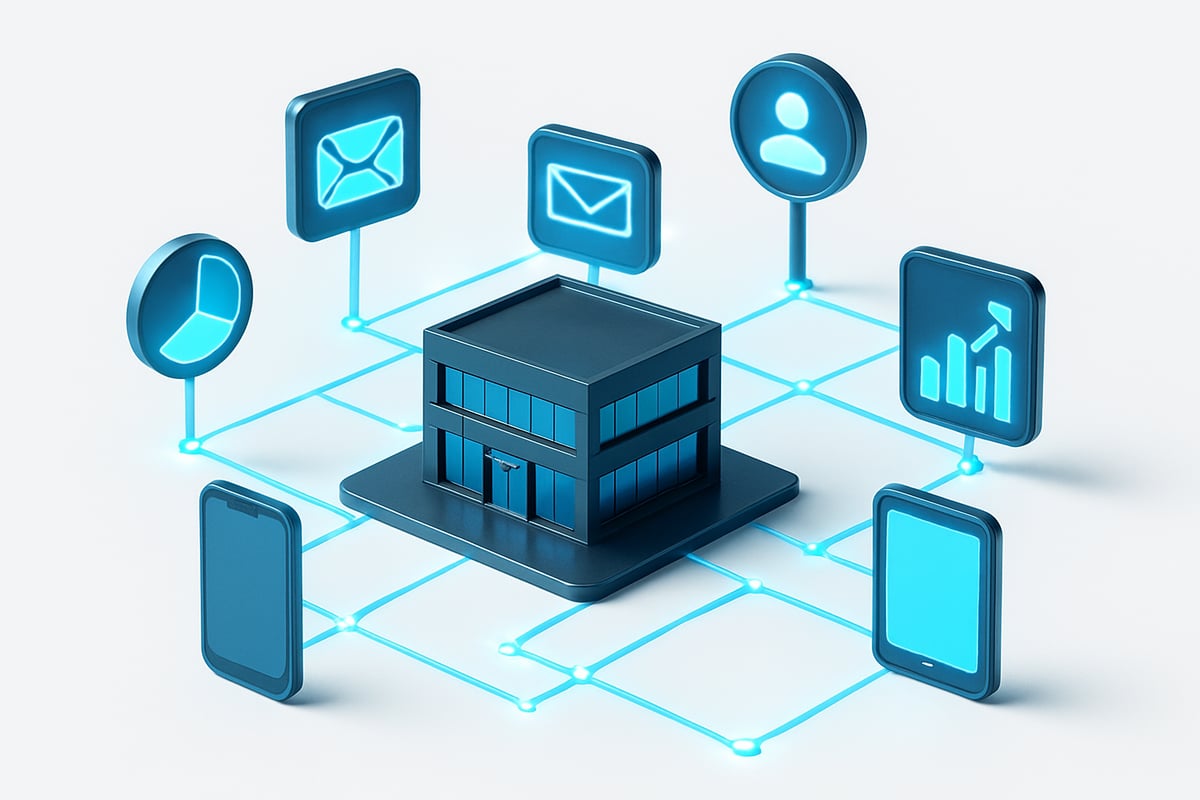
Why Businesses Can't Afford to Ignore Digital Marketing
One of the most powerful advantages is reach. Digital marketing is what enables brands to connect with audiences across continents or target a single neighborhood, all from the same campaign dashboard. There are virtually no barriers to entry, making it possible for startups and established companies alike to find their voice online.
Cost efficiency is another compelling reason. Compared to print ads or broadcast media, digital campaigns require far less upfront investment. Social media, email, and content marketing offer low-cost options for building awareness and driving results. Even paid campaigns are flexible, allowing businesses to set budgets and scale as needed.
The ability to measure and optimize campaigns in real time sets digital apart. Tools like Google Analytics and social platform dashboards provide instant feedback on performance. You can see which channels are delivering traffic, conversions, and engagement, then adjust your strategy for maximum impact. This data-driven approach reduces wasted spend and ensures every dollar works harder.
Personalization is at the heart of modern marketing. With digital channels, you can segment audiences by interests, demographics, or behavior. This allows for tailored messaging that resonates, increasing the likelihood of engagement and conversion. Automated tools further enhance this, delivering the right message at the right time.
Engagement spans the entire customer journey. Digital marketing is what keeps your brand present from the first touchpoint through to purchase and long-term loyalty. Interactive content, timely responses, and retargeting campaigns all nurture relationships and drive repeat business.
Conversions are easier and more convenient than ever. Seamless experiences across websites, social media, and mobile apps make it simple for customers to take action, whether that’s making a purchase or signing up for a newsletter.
Alignment with business goals is built into the process. Digital efforts support revenue growth, brand awareness, and customer retention in a way that’s trackable and scalable. For a deeper dive into how these benefits impact organizations of all sizes, see Digital Marketing for Small Business.
Consider these statistics:
- Email and SMS marketing deliver direct, high-engagement touchpoints.
- Video content can increase conversion rates significantly.
- Social media platforms now boast billions of active users, providing vast opportunities for exposure.
In summary, digital marketing is what gives modern businesses the tools to reach, engage, and convert customers efficiently. The benefits are clear, making it essential for any company aiming for sustainable growth.
Core Types and Channels of Digital Marketing
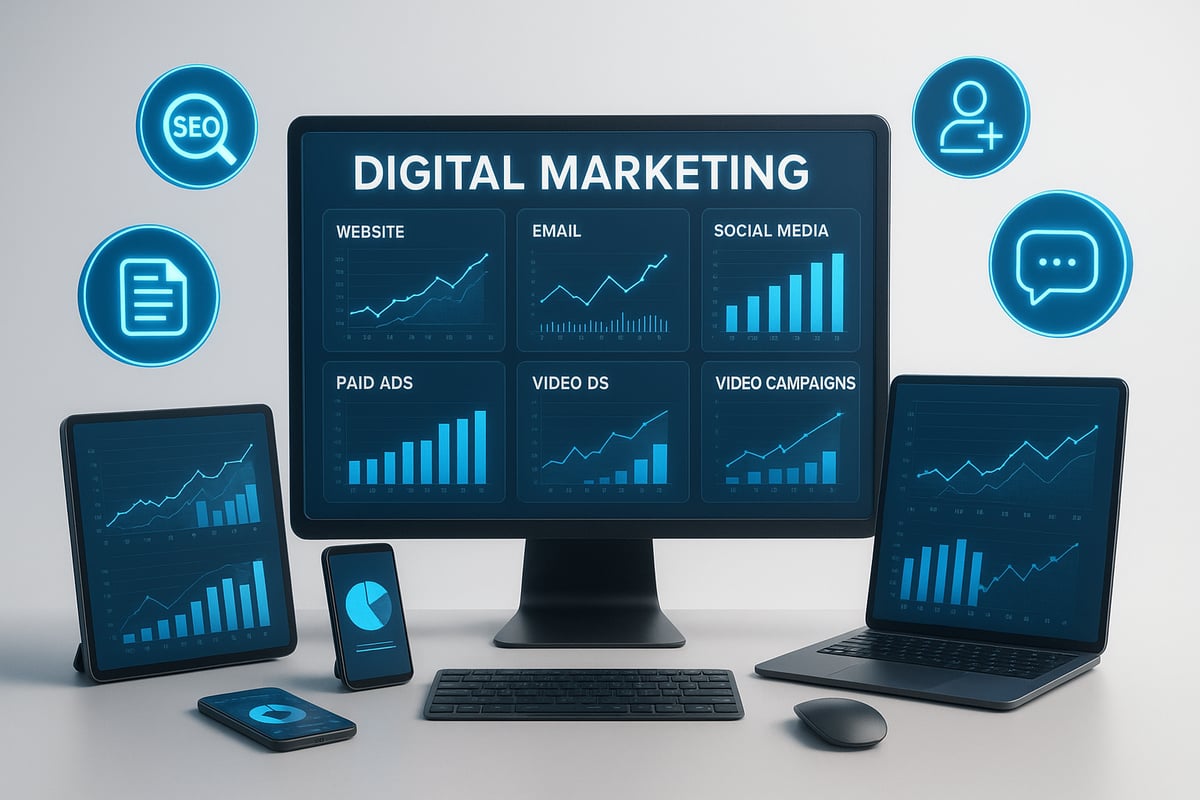
Businesses have more tools and platforms at their disposal than ever before. Understanding the core types and channels is essential for anyone asking, "digital marketing is what?" The answer lies in mastering the mix of owned, paid, and earned media, plus emerging digital tactics. Each channel offers unique opportunities to build brand authority, reach new audiences, and drive measurable growth.
Owned Media: Building Authority and Trust
Owned media forms the foundation of what digital marketing is what aims to achieve: direct, lasting relationships with your audience. These are channels you control, allowing you to craft your message and nurture trust.
- Content Marketing: Blogs, guides, newsletters, infographics, podcasts, and videos educate prospects and keep customers engaged.
- Website Optimization: A mobile-responsive, fast-loading, and conversion-focused website is critical. Good UX ensures visitors stay and interact.
- Email Marketing: Lifecycle campaigns, personalized messages, and automation keep your brand top-of-mind. Compliance matters, so always include unsubscribe links and clear CTAs.
- SEO: On-page, off-page, and technical SEO help your content rank higher. Using keywords, improving site speed, and earning backlinks are all part of the process.
A well-structured owned media strategy answers the question, "digital marketing is what" for brands seeking to build authority over time. For example, a local service provider might use SEO-rich content and automated emails to attract and nurture leads.
Paid Media: Accelerating Reach and Results
Paid media helps you scale fast and reach new audiences. When businesses wonder, "digital marketing is what" in terms of immediate impact, paid channels often deliver quick results.
- Search Engine Marketing (SEM): Paid ads on Google or Bing use PPC models to capture high-intent traffic.
- Display Advertising: Banners and interactive placements appear on third-party websites, increasing visibility.
- Social Media Advertising: Platforms like Facebook, Instagram, TikTok, and LinkedIn let you target by demographics, interests, and behaviors.
- Affiliate Marketing: Performance-based partnerships with bloggers or influencers expand reach and drive conversions.
Paid media is measurable and scalable. For example, a retail brand might run Google Ads and TikTok campaigns to generate sales during a product launch. The flexibility of paid media means you can test, optimize, and allocate budget to what works best.
Earned Media: Amplifying Your Brand Organically
Earned media is where your brand gains recognition through others. If you are asking, "digital marketing is what" from a reputation standpoint, earned media is the answer.
- Social Media Marketing: Organic engagement, community management, and viral content help build a loyal following.
- Influencer Marketing: Collaborations with trusted creators allow you to reach niche audiences with authenticity.
- Native Advertising: Sponsored content blends seamlessly with the platform, making ads feel more like natural recommendations.
Earned media is powerful because it leverages trust. For example, when customers share positive reviews or influencers mention your brand, it amplifies your message. This is often the result of consistent content and outstanding service, making people want to talk about you.
Other Key Channels
Modern digital marketing is what drives innovation through new and evolving channels. Businesses that embrace these can gain a competitive edge.
- Mobile Marketing: SMS, MMS, push notifications, and in-app ads reach users where they spend most of their time.
- Video Marketing: Platforms like YouTube, TikTok, and Instagram Reels are ideal for both short- and long-form content. With YouTube boasting over 2 billion users and TikTok’s engagement rate at 16%, video is a must-have.
- Marketing Automation: AI and machine learning streamline campaigns, segment audiences, and personalize experiences.
- Emerging Platforms: New channels continue to shape the landscape, requiring marketers to stay agile.
According to industry research, 80% of marketers rate content marketing as highly effective, and video content consistently increases time on site. For a deeper dive into specific strategies and channels, explore Types of Digital Marketing Channels.
Digital marketing is what empowers businesses to adapt, innovate, and connect with audiences across multiple touchpoints. By understanding and leveraging these core channels, you set the foundation for sustainable growth.
How to Build a Successful Digital Marketing Strategy
Building a successful strategy begins with understanding that digital marketing is what drives results in the modern business landscape. The right approach brings clarity, efficiency, and measurable growth. Each step below is designed to help you answer the question: digital marketing is what will set your brand apart?
Step 1: Define Clear Goals and KPIs
The foundation of every winning campaign is clarity. Start by asking yourself, digital marketing is what you want to achieve? Set specific, measurable goals. These might include increasing brand awareness, generating leads, boosting sales, or improving retention.
Identify key performance indicators (KPIs) such as website visits, conversion rates, and return on investment. Use tools like Google Analytics to track each metric. For example, if your goal is to increase leads, monitor form submissions and click-through rates.
A simple KPI tracking table might look like this:
| Objective | KPI | Tool |
|---|---|---|
| Brand Awareness | Website Traffic | Google Analytics |
| Lead Generation | Form Submissions | CRM Dashboard |
| Sales Growth | Conversion Rate | E-commerce Report |
By setting clear benchmarks, you ensure digital marketing is what supports your business objectives.
Step 2: Know Your Target Audience
Effective campaigns begin with a deep understanding of your ideal customer. Ask yourself, digital marketing is what your audience expects? Build detailed buyer personas by analyzing demographics, interests, and online behaviors.
Use CRM data, website analytics, and social media insights to segment your audience. This allows you to personalize messaging and tailor offers that resonate. For example, a B2B company might focus on decision-makers, while a B2C brand targets lifestyle preferences.
List of data sources:
- CRM systems for purchase history
- Social media analytics for engagement patterns
- Website analytics for behavior tracking
When you know your audience, digital marketing is what creates meaningful connections.
Step 3: Choose the Right Channels and Tactics
Selecting the best platforms is crucial. Consider your audience: digital marketing is what reaches them where they spend time. Evaluate channels such as search, social, email, and paid ads.
Balance organic and paid strategies based on your goals and budget. For instance, a local service business might invest in Google Business Profile and SEO, while an e-commerce brand leverages Instagram and TikTok ads.
Tactics to consider:
- SEO for visibility
- Social ads for targeted reach
- Email marketing for retention
Choosing wisely ensures digital marketing is what delivers results efficiently.
Step 4: Create and Optimize Content for Each Channel
Content is the engine of every campaign. Ask, digital marketing is what type of content will engage your audience? Develop high-quality blogs, videos, emails, and ads tailored to each platform.
Maintain consistency in brand voice and messaging. Optimize for SEO, mobile experience, and user engagement. For example, use relevant keywords, clear calls-to-action, and mobile-friendly layouts.
Here is a quick optimization checklist:
- Use keywords naturally in copy
- Add engaging visuals and video
- Ensure fast load times
- Test calls-to-action for clarity
With this approach, digital marketing is what turns attention into action.
Step 5: Implement Automation and Technology
Modern strategies rely on smart tools. Digital marketing is what benefits most from automation, making processes scalable and efficient. Use marketing automation to schedule emails, segment audiences, and trigger messages based on user actions.
Artificial intelligence is transforming how brands connect with customers. For deeper insights on AI’s role in segmentation and campaign optimization, see AI’s role in marketing strategies.
Sample automation workflow in code:
if user_action == 'signup':
    send_email('welcome')
elif user_action == 'abandon_cart':
    send_email('reminder')
Embracing technology ensures digital marketing is what keeps you ahead.
Step 6: Measure, Analyze, and Iterate
Continuous improvement is vital. Digital marketing is what evolves through data. Use analytics dashboards to monitor performance in real time. Track which channels drive the most conversions and where users drop off.
Conduct A/B testing to refine messaging and creative. Adjust your strategy based on insights to maximize ROI. For example, test two versions of a landing page to see which converts better.
Key metrics to review:
- Traffic sources
- Engagement rates
- Conversion paths
By embracing data, digital marketing is what delivers sustained growth.
Common Challenges and Solutions
Every marketer faces hurdles. Digital marketing is what must adapt to changing algorithms and privacy laws. Stay informed about updates from Google and social platforms.
Standing out in crowded spaces requires value and consistency. Focus on what makes your brand unique. Demonstrating ROI can be tough, so use attribution modeling and multi-touch tracking to show results.
Tips for overcoming challenges:
- Keep learning about industry changes
- Use clear reporting dashboards
- Prioritize customer value
When you address these obstacles, digital marketing is what positions you for long-term success.
Pioneer Marketing: Data-Driven Digital Marketing for Local Businesses
Pioneer Marketing specializes in helping small and mid-sized businesses unlock the power of digital marketing. Their approach focuses on local SEO, AI-driven automation, and paid media management.
If you are wondering, digital marketing is what can help your business grow locally, Pioneer Marketing provides solutions like Google Ads, Meta campaign management, landing pages, and CRM integration. Their expertise ensures digital marketing is what generates qualified leads and automates customer follow-up.
With a blend of local optimization, smart automation, and measurable results, Pioneer Marketing demonstrates that digital marketing is what drives sustainable business growth.
Measuring Success: Digital Marketing KPIs and Analytics
Evaluating the effectiveness of your marketing efforts is critical for growth. Understanding digital marketing is what empowers businesses to make informed decisions and maximize results. As digital advertising investments rise globally, knowing how to measure success is no longer optional. A data-driven approach helps organizations stay competitive and adapt to changing trends.
Understanding Key Performance Indicators
To track progress, businesses must identify the right KPIs for their goals. Digital marketing is what connects these metrics to real-world outcomes. Common KPIs include:
| KPI | Purpose |
|---|---|
| Website Traffic | Measures reach and brand visibility |
| Unique Visitors | Tracks audience growth |
| Return Visitors | Indicates engagement and loyalty |
| CTR | Gauges ad and content effectiveness |
| Conversion Rate | Measures lead or sale generation |
| Avg. Time on Page | Shows content relevance and interest |
| Marketing ROI | Quantifies returns on digital investment |
Selecting relevant KPIs ensures your strategy remains aligned with business objectives.
Leveraging Analytics Tools
Reliable analytics platforms are essential for meaningful measurement. Tools like Google Analytics, CRM dashboards, and marketing automation suites allow you to monitor KPIs in real time. When businesses ask themselves, "digital marketing is what we need to grow?" the answer often lies in their ability to analyze campaign data.
By using analytics, you can:
- Track website and campaign performance
- Identify top traffic sources
- Segment audiences for deeper insights
As digital marketing budgets increase, the need for robust measurement grows. According to digital advertising expenditure in 2025, investments are set to reach new heights, making data-driven decision-making more important than ever.
Attribution Modeling and Reporting
Understanding the customer journey across digital channels is a challenge. Attribution modeling helps assign value to each touchpoint, revealing how digital marketing is what drives conversions. There are several models, including:
- First-click attribution
- Last-click attribution
- Multi-touch attribution
Each model provides a different perspective on the path to conversion. Effective reporting involves visual dashboards, scheduled reviews, and actionable recommendations. Regular analysis helps teams refine strategy and prove ROI to stakeholders.
Real-World Optimization Examples
Practical application of analytics ensures ongoing improvement. For example, A/B testing landing pages can dramatically increase conversion rates. Tracking email open and click rates leads to better messaging and higher engagement. Video content often increases average time on page, highlighting the need to diversify channels.
In summary, measuring success in digital marketing is what separates thriving brands from the rest. Using the right KPIs, analytics tools, and reporting practices enables businesses to optimize performance and achieve sustainable growth.
The Future of Digital Marketing: Trends and Opportunities
The landscape of digital marketing is what drives business innovation and customer connection today. As technology evolves, so do the strategies and tools marketers use to achieve results. Staying ahead means understanding both the current landscape and the emerging trends shaping tomorrow’s opportunities.
Artificial intelligence and machine learning are transforming how brands approach personalization, automation, and predictive analytics. With these technologies, marketers can anticipate customer needs, automate repetitive tasks, and deliver highly relevant experiences at scale. Businesses that harness these tools will find new ways to maximize engagement and efficiency.
Video and interactive content are surging in popularity, becoming essential for capturing attention and driving conversions. Platforms like TikTok and YouTube continue to influence how audiences consume information. According to the Rise of short-form video content, short-form videos are especially powerful for boosting engagement and brand recall. As privacy regulations strengthen, ethical data collection and transparent communication are also moving to the forefront.
Seamless cross-channel and omnichannel experiences are critical, as consumers expect consistent interactions across devices and platforms. Voice search, smart devices, and emerging technologies are redefining how users find and interact with brands. For a deeper look at how digital marketing is what enables businesses to adapt, explore Digital Marketing Trends and Growth.
Continuous learning and agility are essential for marketers navigating this dynamic environment. As digital marketing is what fuels growth and innovation, staying informed and adaptable will ensure long-term success. Embracing new tools, platforms, and strategies will keep brands ahead of the curve as the industry continues to evolve.
After exploring what digital marketing truly means for 2026 and seeing how strategies like AI-driven automation and local SEO can transform your business, you might be wondering how to put these insights into action for your own growth. The best next step is to get a clear, expert perspective tailored to your goals. If you’re ready to see how a data-driven approach can bring more qualified leads and measurable results to your business, let’s take the guesswork out of your next move. Book a Strategy Call and start building your roadmap to digital success.