


Digital marketing keeps changing, and the businesses that keep up are the ones getting the customers. If you want to learn about digital marketing without wading through jargon, this guide is for you.
We’ll cover the core concepts, the trends that actually matter in 2026, and the practical steps to put it all to work: the main channels, what AI and automation can do for you, and how to get started.
No fluff, no theory for theory’s sake. Just what works and how to use it.
Understanding Digital Marketing: Core Concepts & Foundations
Digital marketing changes how brands connect and grow, and it starts with a handful of core principles. Get these right and every channel gets easier.
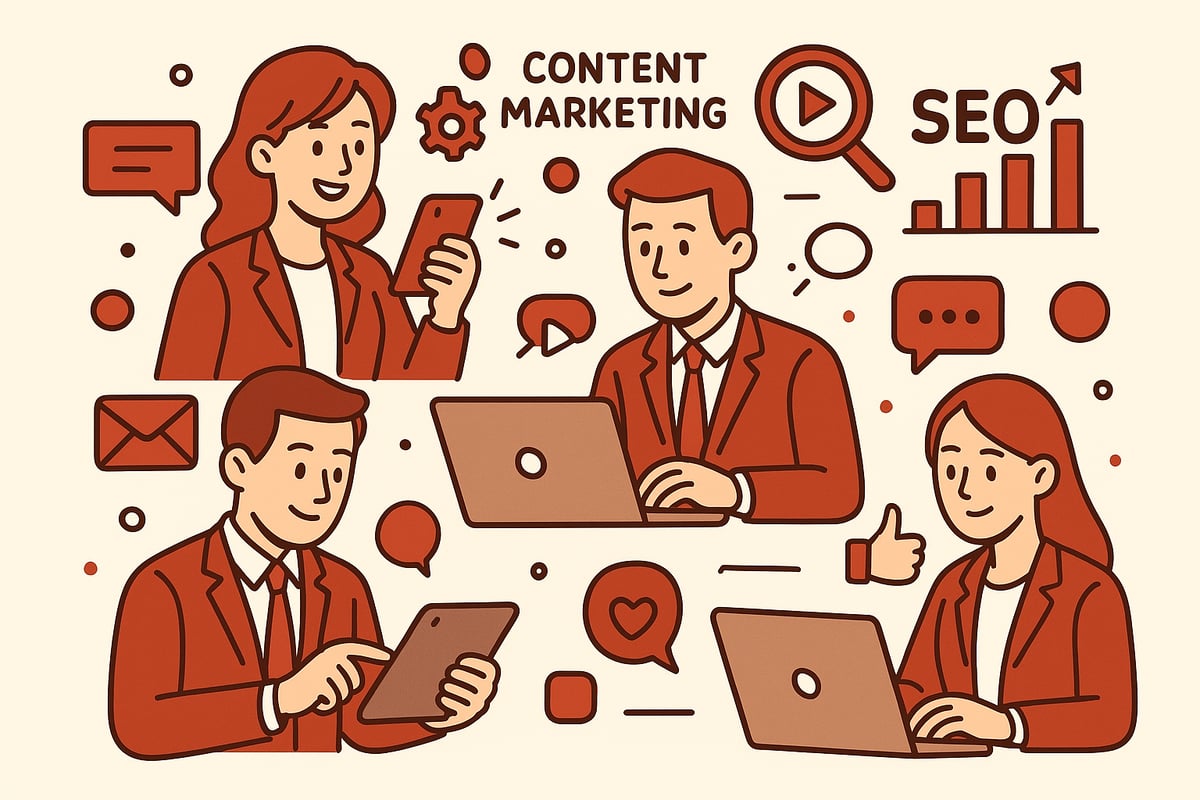
What is Digital Marketing? Definitions & Scope
Start with the definition. Digital marketing is using online channels, websites, social media, email, search engines, and mobile apps, to reach the people who might buy from you. Traditional marketing rents attention on print, radio, or TV. When you learn about digital marketing, you’re learning to earn attention where people already spend their day.
Customers rarely take a straight path anymore. They research on one channel, engage on another, and buy on a third. Consistent messaging across web, social, email, and mobile keeps you recognizable at every stop.
The big advantage is measurability. Statista forecasts global digital ad spend will hit $836 billion by 2026, and every dollar of it can be tracked. Brands like Nike and Airbnb combine social, influencer, and content marketing into campaigns they can measure end to end.
The core skill is meeting people where they are, at whatever stage of the decision they’re in.
Key Components of Digital Marketing
The main components, and what each does:
- Content Marketing: Engaging blogs, videos, and infographics educate and inspire.
- Search Engine Optimization (SEO): Optimizes visibility on search engines, including local SEO for nearby customers.
- Social Media Marketing: Builds communities and leverages influencers to extend reach.
- Paid Advertising: Includes pay-per-click, display ads, and retargeting to drive targeted traffic.
- Email Marketing: Delivers personalized messages and automates follow-up.
- Analytics: Drives data-informed decisions for continuous improvement.
For a deeper look at how these pieces fit together, explore these core digital marketing strategies.
None of these work in isolation. The wins come from integration: your SEO feeds your content plan, your analytics sharpen your ads, your email keeps the customers your ads brought in.
Digital Marketing vs. Traditional Marketing
How does digital stack up against traditional? Digital costs 62% less per lead, according to Demand Metric. Here’s the comparison:
| Factor | Digital Marketing | Traditional Marketing |
|---|---|---|
| Cost per Lead | Lower | Higher |
| Targeting | Highly specific | Broad or generalized |
| Tracking | Real-time analytics | Delayed or manual |
| Flexibility | Easy to adjust | Static once published |
Small businesses see this constantly. Shift budget from print ads to targeted search and social campaigns and suddenly you can see every click and every conversion.
Digital wins on cost, targeting, and speed of feedback. That’s why it’s the foundation of modern growth.
The Digital Marketing Landscape in 2026: Trends & Transformations
The ground is moving fast. Here are the trends reshaping how brands connect with customers in 2026, and what each means for you.
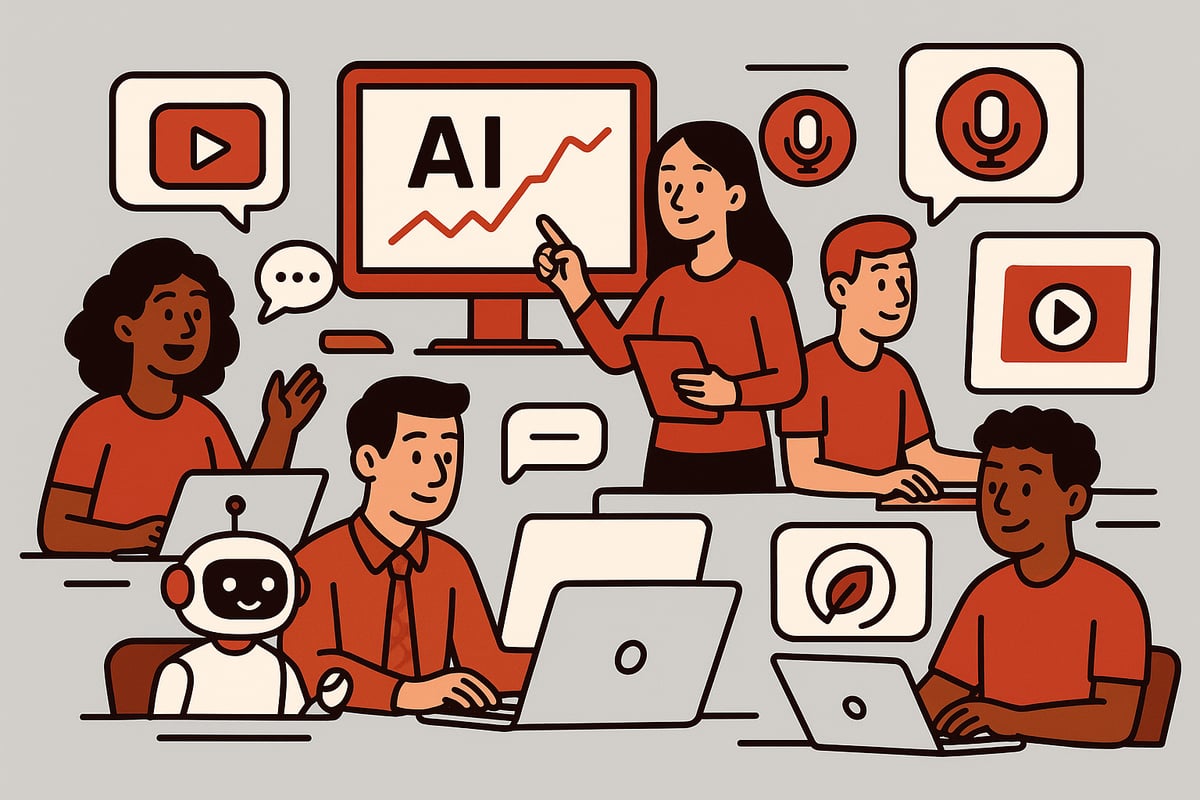
The Rise of AI and Machine Learning
AI now powers personalization at a level that used to require a big team: tailored content and offers in real time, chatbots and voice agents answering instantly, predictive analytics steering the budget.
E-commerce brands use AI to recommend products from browsing history. Ad platforms use it to allocate spend automatically. According to the 2026 Digital Marketing Trends Report, 94% of marketers are investing in AI.
Privacy, Data, and Regulation
Privacy is the counterweight. GDPR, CCPA, and their successors keep tightening the rules, so first-party data and transparent practices are now the playbook.
Cookie-less tracking and clear consent are not optional. A Salesforce study found 79% of consumers trust brands more when data practices are clear. Compliance builds loyalty, not just legal cover.
Video Marketing and Interactive Content
Video keeps winning attention. Short-form clips on TikTok, Instagram Reels, and YouTube Shorts grab people fast, and live streams let brands talk with customers instead of at them.
Interactive ads and AR/VR add another layer. AR filters for product demos turn browsing into an experience people actually share.
Voice Search and Conversational Marketing
Voice is growing fast too. By 2026, an estimated 50% of searches will be voice-based, which means content needs to answer natural, conversational questions.
Smart assistants and voice commerce are daily habits now. Structured data and clear, direct answers make your site findable when someone asks their speaker a question.
The Evolving Role of Social Media
Social media has become a place where buying happens, not just browsing. Niche platforms and micro-communities let you reach specific audiences without shouting into the void.
In-app purchases make the path from post to purchase one tap long. Authentic partnerships and user-generated content beat polished ads for trust.
Sustainability and Ethical Marketing
Customers also increasingly care how you do business. Eco-friendly products and ethical practices are purchase criteria now, not extras.
Be transparent about sourcing and production, and let your values show in your campaigns. Reputation compounds.
Developing a Winning Digital Marketing Strategy: Step-by-Step Guide
Strategy beats scattershot every time. If you want to learn about digital marketing in a way that produces results, follow these seven steps in order.
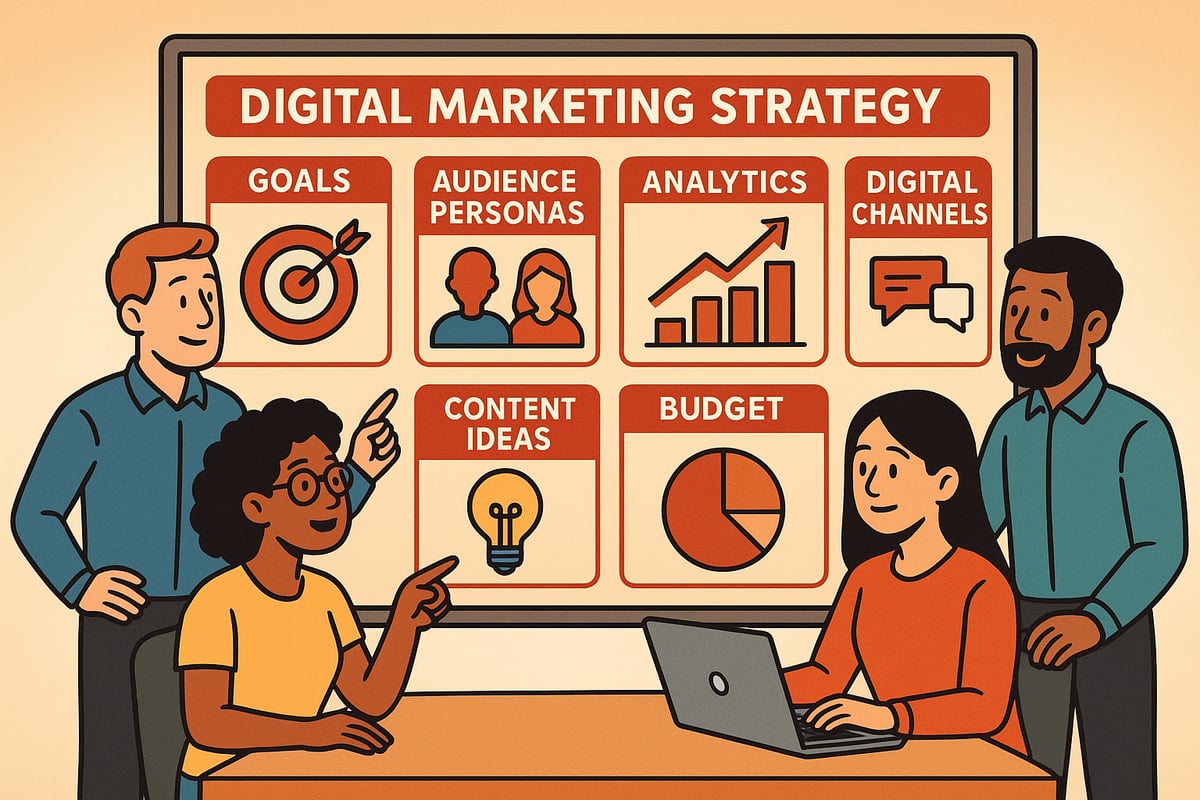
Step 1: Define Clear Goals and KPIs
First, decide what winning looks like. Set SMART goals: Specific, Measurable, Achievable, Relevant, and Time-bound.
Common goals include:
- Generating qualified leads
- Increasing online sales
- Boosting brand awareness
- Improving customer retention
Attach a KPI to each goal, website traffic, conversion rate, email open rate, so you always know whether you’re on track.
Step 2: Understand Your Audience
Second, know your audience cold. Build buyer personas from demographics (age, location, income) and psychographics (interests, motivations, pain points).
Analytics tools show you who visits, what they read, and where they drop off. Map the customer journey and you’ll spot the barriers before they cost you sales.
Step 3: Competitor and Market Analysis
Third, study the competition. A SWOT analysis (Strengths, Weaknesses, Opportunities, Threats) shows where you stand.
Tools like SEMrush or Ahrefs reveal competitors’ keywords, backlinks, and top content. The gaps they’ve missed are your openings.
Step 4: Select the Right Digital Channels
Fourth, pick your channels deliberately. Go where your audience already spends time, whether that’s social, search, email, or a niche platform.
Blend organic (SEO, content) with paid (PPC, display) for the best results, and keep the message consistent everywhere.
Step 5: Craft Compelling Content & Messaging
Fifth, make content worth someone’s time. Mix formats, blog posts, videos, infographics, podcasts, based on what your audience actually consumes.
Personalize and tell stories. HubSpot found personalized content converts six times better. A content calendar keeps you consistent when motivation dips.
Step 6: Budgeting and Resource Allocation
Sixth, put your money where the return is. Decide what goes to ads, content, and tools, and whether you’ll run it in-house or bring in help.
A simple starting split:
| Channel | % of Budget |
|---|---|
| Paid Ads | 35% |
| Content Creation | 25% |
| SEO/Analytics | 20% |
| Email Marketing | 15% |
| Tools/Software | 5% |
Adjust the split as the data comes in. Budgets should follow results, not habits.
Step 7: Measurement, Optimization, and Scaling
Seventh, measure and improve. Google Analytics and your CRM tell you what’s working. A/B tests and customer feedback tell you why.
Automation multiplies the effort: recent findings show it can lift marketing ROI by 25% and campaign performance by 30% (AI’s Impact on Marketing ROI). Scale what works, cut what doesn’t.
Essential Digital Marketing Channels & Tactics for 2026
Now the channels themselves. To learn about digital marketing channels properly, focus on the handful that reliably produce results, then combine them.
Search Engine Optimization (SEO) and Local SEO
SEO comes first. On-page covers content, meta tags, and internal links. Off-page is backlinks and mentions. Technical keeps your site fast and mobile-friendly. Voice search and mobile-first indexing matter more every year.
Local SEO deserves special attention if you serve a geographic area. An optimized Google Business Profile, steady reviews, and local citations drive calls and visits. Google reports 78% of local mobile searches lead to offline purchases. Start with these Local SEO best practices.
Pay-Per-Click (PPC) & Paid Media
PPC gives you speed. Google Ads and Meta Ads target by keyword, interest, and demographics, so a new campaign can produce leads this week instead of next quarter.
AI-driven bidding optimizes toward conversions automatically, and retargeting brings back people who already showed interest. Test Google against Facebook for your specific offer, the winner varies by business.
Social Media Marketing
On social, pick the platform that matches your customers. TikTok and Instagram skew younger, LinkedIn earns its keep for B2B.
Shoppable posts shorten the distance from scroll to sale. Community management and user-generated content build the trust that ads can’t buy.
Email Marketing & Automation
Email is still the quiet workhorse. Segment your list, personalize the drips, and automate follow-ups like abandoned cart recovery.
The DMA puts email ROI at $42 for every $1 spent. Few channels come close.
Content Marketing & Storytelling
Content marketing expands your reach on every other channel. A steady blog, regular video, maybe a podcast. Interactive content like quizzes keeps people on your site longer.
Repurpose everything: one solid blog post becomes a video script, an email, and a week of social graphics. Stories stick where feature lists slide off.
Influencer & Partnership Marketing
Influencer marketing keeps maturing. Micro-influencers deliver niche trust, macro-influencers deliver reach, and co-branded campaigns and affiliate programs open new audiences.
Keep it authentic and disclosed. Audiences forgive ads. They don’t forgive being tricked.
Harnessing AI, Automation, and Data Analytics in Digital Marketing
AI, automation, and analytics are the multipliers on everything above. Used well, they let a two-person marketing operation compete with a department.
The Role of AI in Modern Marketing
AI segments audiences smarter and predicts what customers will do next. Generative tools now build video ads at scale, with projections that AI-generated video ads will make up 40% of all video ads by 2026 (Generative AI in Video Advertising).
Chatbots qualify leads and answer questions at any hour. AI-powered email personalization lifted open rates 29% per Mailchimp. More on the tools and tactics: AI and automation in marketing.
Marketing Automation Systems
Automation systems tie it together. CRM integration tracks and nurtures every lead, and automated workflows run your email, SMS, and social outreach without manual effort.
One service business saved over 10 hours a week by automating routine marketing tasks. Every lead gets a timely follow-up, which is where most conversions are won or lost.
Data Analytics and Attribution
Analytics closes the loop. Real-time dashboards surface trends early, and multi-touch attribution shows which channels actually drive conversions so budget goes where it earns.
Decisions based on numbers beat decisions based on gut. Review the data regularly and adjust content, messaging, and targeting to match.
Privacy, Security, and Ethical Use of Data
Privacy stays non-negotiable. Be transparent about what you collect and why, and balance personalization against respect for the user.
Cisco found 67% of consumers expect brands to protect their data. Clear opt-ins and plain-language policies keep trust intact and regulators away.
Future-Proofing Your Marketing with AI and Data
Keep learning as the tools evolve. New AI platforms and analytics solutions arrive monthly, and team data literacy is what turns them into results.
Adopt ethical standards early and regulation changes become minor adjustments instead of emergencies.
Practical Steps to Launch & Scale Your Digital Marketing in 2026
Ready to actually start? Here’s the launch sequence we’d give any business owner who wants to learn about digital marketing by doing it.
Step 1: Audit Your Current Digital Presence
First, audit what you have. Check your website, social profiles, and directory listings. Google Lighthouse and SEMrush surface the gaps fast:
| Area | Tool/Action | Status |
|---|---|---|
| Website Speed | Google Lighthouse | [ ] |
| SEO | SEMrush | [ ] |
| Social Profiles | Manual Review | [ ] |
| Listings | Google Search | [ ] |
Then read your analytics for what’s already working. For benchmarks, the latest Digital Marketing Statistics 2025 are a useful reference point.
Step 2: Build or Optimize Your Website
Second, get the website right. Fast load times, mobile-friendly layouts, accessible design, and landing pages with one clear call to action.
Install analytics and tracking pixels on day one. You can’t improve what you never measured.
Step 3: Set Up Core Marketing Channels
Third, claim your core channels: Google Business Profile, the social platforms your customers use, and a basic email workflow.
Automation earns its keep immediately here, welcoming subscribers and nurturing leads while you run the business.
Step 4: Create a Content Calendar and Launch Campaigns
Fourth, plan content ahead with an editorial calendar. Regular posts, videos, and updates aligned with seasonal trends beat sporadic bursts of effort.
Trello or Asana keeps the schedule honest. Watch what earns engagement and make more of that.
Step 5: Monitor Performance and Iterate
Fifth, track your KPIs across channels with Google Analytics, CRM dashboards, and platform insights.
Add surveys and reviews for the why behind the numbers, then adjust. Iteration is the whole game.
Step 6: Scale and Automate for Growth
Sixth, scale what’s proven. Expand into new channels, automate the repetitive work, and let ad management tools handle the busywork.
Partnership and referral programs extend reach cheaply. For the bigger picture, read about digital marketing industry growth and where the opportunities are heading.
Step 7: Upskill and Stay Ahead
Seventh, keep learning. Courses, webinars, and industry communities keep your skills current while the field moves.
Follow the practitioners who show their work, and skip the gurus who don’t.
That’s the full picture. If you’d rather skip the learning curve and get straight to qualified leads, better local visibility, and AI-driven automation that saves you hours a week, that’s exactly what we do for Colorado Springs and Front Range businesses. Learn about digital marketing at your own pace, or let us run it while you run the company. Get a Free Marketing Consultation


